One of the West Coast’s most famous natural arches just went dark until October
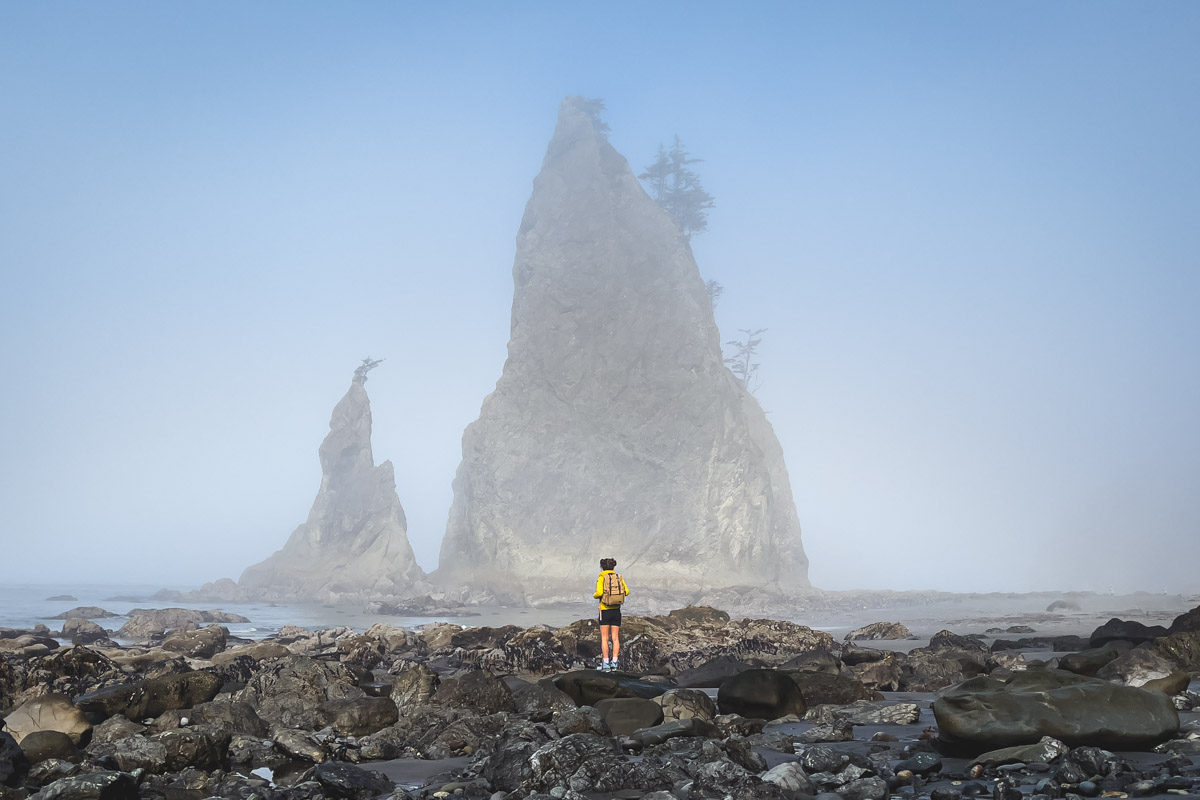
You can’t reach Washington’s most photographed sea arch right now. The road to Rialto Beach has been torn up since July, and it’s staying that way until mid-October — so if you’ve been holding out for a shot of Hole-in-the-Wall this summer, you’re out of luck for another couple months.
Good news: it’s not the only real natural arch on this coast, and the other two never closed.
Psst — we made you a West Coast Adventure Map. Nearly 1,900 of our favorite spots, already pinned, ready to load into Google Maps in two clicks — grab it here.
Washington: Hole-in-the-Wall is off-limits until October 15
Mora Road, the only way in to Rialto Beach, has been closed to all traffic — cars, bikes, walkers, everyone — since July 8, and it stays that way through October 15, 2026. The National Park Service says it’s for permanent repairs after the Quillayute River undercut the roadbed during 2019 flooding, and there’s no walking around the closure.
📍 GET THE ULTIMATE PNW MAP 🗺️
Get our curated list of the best adventures, things to do, and places to grab a brew loaded onto your maps with just two clicks!
✅ Waterfalls ✅ Hikes ✅ Viewpoints
✅ Craft breweries ✅ National Parks ✅ 1400+ Pins

Mora Campground itself is still open if you want to camp nearby, but the beach access and the arch simply aren’t happening on this stretch of the calendar. NPS is steering people toward Kalaloch and Ruby Beach instead, both still reachable off Highway 101 without the detour.
Hole-in-the-Wall is worth circling back for once the road reopens — a flat, easy hike to a real sea arch you can walk straight through at low tide, covered by the park’s standard $30 vehicle pass. Just not this month.
Oregon: two arches at once, no hike required

Drive about 11 miles north of Brookings on Highway 101 and pull into the gravel lot at Natural Bridges Viewpoint, inside Samuel H. Boardman State Scenic Corridor. No fee, no gate, and the walk from the car to the overlook is short.
The loop trail here runs about 0.7 miles round trip with roughly 65 feet of elevation gain — nothing that’ll leave you winded — and it delivers two rock arches in the same cove instead of one. Go early or on an overcast day; direct sun glares off the water and makes the arches hard to make out.
This one earns real caution, though: the cliffs are sheer, the fenced overlook is the only safe vantage point, and the park service has recorded serious injuries and deaths from people climbing past the barriers to get closer. The view from the platform is genuinely enough — there’s no version of this that’s worth the scramble.
California: down to one arch out of the original three

Natural Bridges State Beach in Santa Cruz used to have three stacked arches, hence the plural name. The outermost one collapsed in 1905 or 1906, and the innermost went down in a storm on January 10, 1980, leaving exactly one still standing today — and that one is still eroding.
You don’t need a hike for this one either. It’s a short boardwalk from the parking lot to the overlook, and day-use parking runs $10, cash or most cards (no Amex), unless you snag one of the very limited free 20-minute spots on West Cliff Drive.
Between the surviving arch, the tide pools, and the monarch butterfly grove next door, this is an easy add to any Santa Cruz stop — here’s more of the area’s best hikes to pair it with. And once Mora Road reopens, Washington’s version is worth circling back for — Olympic National Park’s other big hikes hold up fine in the meantime.
Trip tips: grab a rental car to get out here, lock in your hotel before the good rooms are gone, or skip both and book a camper van instead.
Rules and fees change — always confirm current requirements before you go.