One of these West Coast elk rut spots costs nothing to watch from the road, one asks for an $8 day-use fee, and the third charges $160 for a guided front-row seat
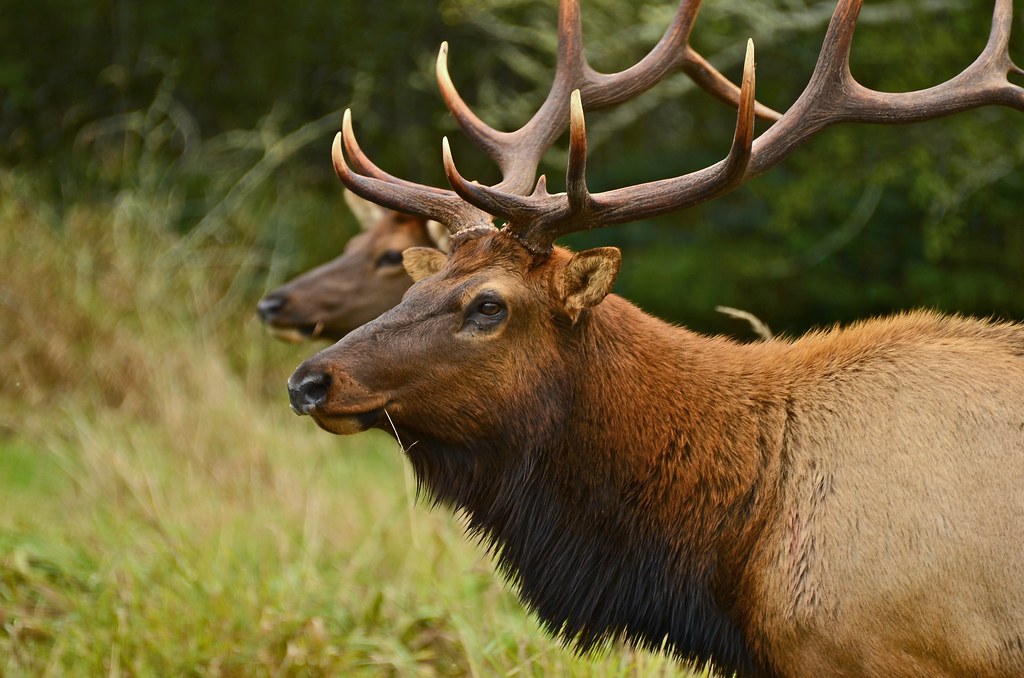
Every September, the West Coast’s Roosevelt elk turn into completely different animals. Bulls that spent all summer minding their own business start screaming across open meadows at dawn, locking antlers, and herding cows into harems. You can watch the whole thing for free, or you can pay $160 for a guaranteed front-row seat with breakfast.
The rut is peaking right now across Oregon, Washington, and California, and each state has a real, working viewing spot with a completely different price tag attached. Here’s exactly what each one costs and how it actually works.
Psst — we made you a West Coast Adventure Map. Nearly 1,900 of our favorite spots, already pinned, ready to load into Google Maps in two clicks — grab it here.
Oregon: free, if you know which parking lot to use
Jewell Meadows Wildlife Area sits off Highway 202 between Jewell and Seaside, and its entire reason for existing is Roosevelt elk. The rut runs from early September into October and peaks around mid-September, with bulls bugling and sparring right out in the open meadow.
📍 GET THE ULTIMATE PNW MAP 🗺️
Get our curated list of the best adventures, things to do, and places to grab a brew loaded onto your maps with just two clicks!
✅ Waterfalls ✅ Hikes ✅ Viewpoints
✅ Craft breweries ✅ National Parks ✅ 1400+ Pins

Here’s the catch: parking at the headquarters lot requires a $10-a-day Oregon Department of Fish and Wildlife permit, bought ahead of time. Several of the roadside pullouts along Highway 202 don’t require one at all — pull over, roll the window down, and listen. Go around sunrise or sunset, when the elk are most active.
Washington: $160 buys you two hours and a guarantee
Northwest Trek Wildlife Park in Eatonville, about an hour southeast of Tacoma, runs guided Elk Bugling Tours during the rut. The 2026 dates are September 5, 6, 12, 13, 19, 20, 26, and 27, from 8 to 10 a.m., and it’s $140 for members or $160 for everyone else, with park admission included.
That’s real money for something Oregon hands out for free. But you’re not gambling on wild elk showing up on schedule here — you’re walking the free-roaming area with a naturalist who already knows where the bulls have been sparring that week, and each tour caps at eight people, so book ahead. Worth it if you want a sure thing more than a wild one.
California: $8, and you get redwoods thrown in
Prairie Creek Redwoods State Park, part of Redwood National and State Parks near Orick, has an elk meadow built right into the name: Elk Prairie. The $8 day-use fee gets you into the parking area, and the elk graze right along the meadow’s edge most mornings and evenings through a rut that peaks in mid-September here too.
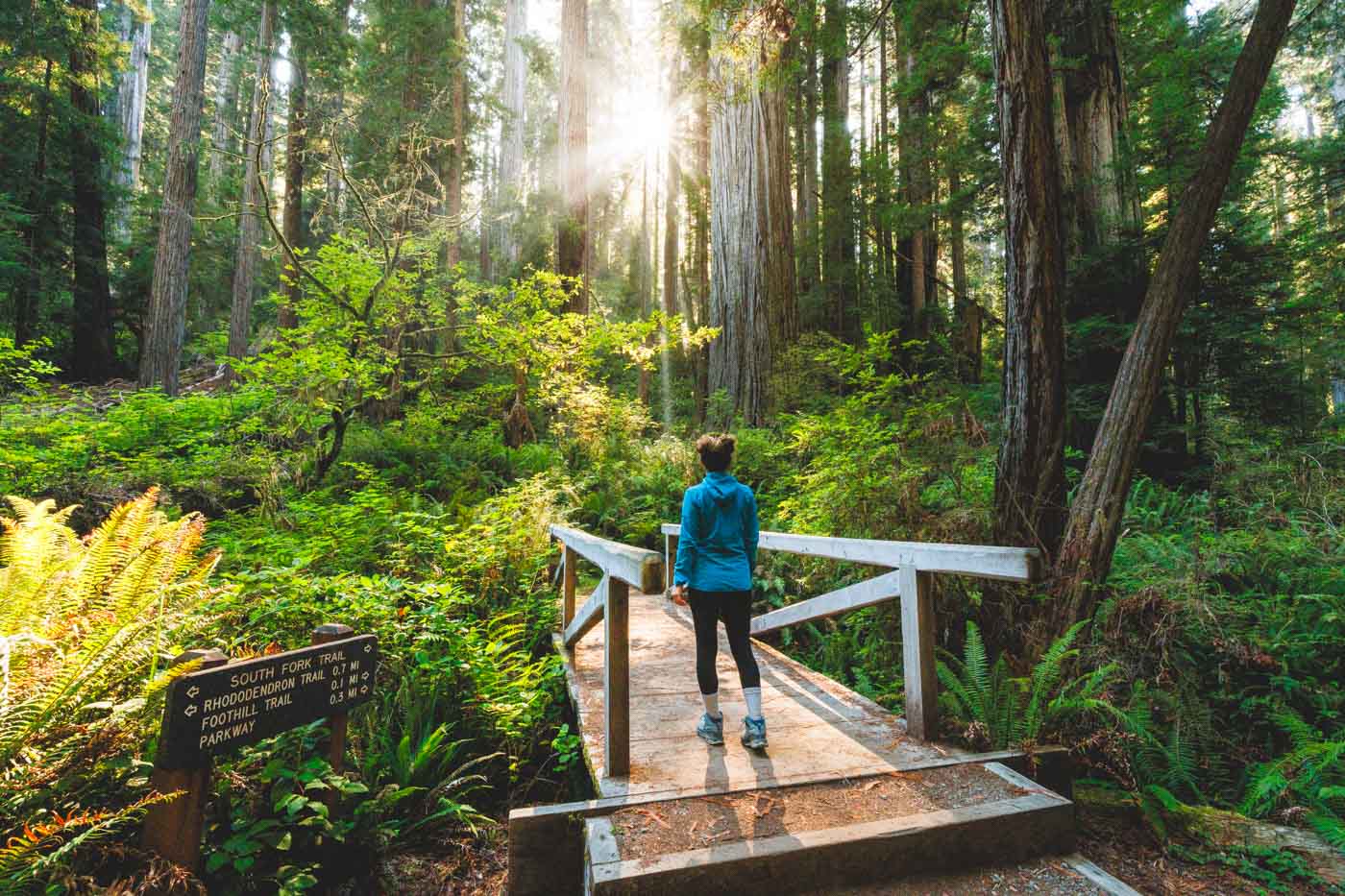
We’ve wandered Prairie Creek’s boardwalks ourselves on redwood trips up Highway 101, and the elk were already working the meadow before we’d finished parking the car. Eight dollars for that view, next to some of the tallest trees on the planet, is the easiest yes on this list.
One rule holds in all three states: give bulls at least 50 feet of space during the rut. A Roosevelt elk bull pushing 900 pounds mid-fight isn’t performing for you, and it doesn’t care where you’re standing.
Free roadside elk, a guaranteed guided encounter, or a meadow full of them next to the world’s tallest trees — which one are you actually driving for?
Trip tips: grab a rental car to get out here, lock in your hotel before the good rooms are gone, or skip both and book a camper van instead.
Rules and fees change — always confirm current requirements before you go.