One of these West Coast Oktoberfests is basically free, one just won’t stop until fall’s over, and one costs the most for a very good reason

Three real Oktoberfests are running across the West Coast this fall, and they don’t have much in common beyond the beer. One’s basically a free town festival, one just keeps going weekend after weekend well into autumn, and one wants $50 for a single pass — and gives you three stages of music to show for it.
Psst — we made you a West Coast Adventure Map. Nearly 1,900 of our favorite spots, already pinned, ready to load into Google Maps in two clicks — grab it here.
Mount Angel, Oregon: the one that’s basically free
Mount Angel bills itself as the largest folk festival in the Northwest, and in 2026 it runs September 17 through 20 — four straight days instead of scattered weekends. Nearly everything is free to walk through: the street dances, the Kindergarten rides, the wiener dog races, and the car show don’t cost a dime.
Only three venues actually charge admission, and even those stay cheap. Day passes run $15 to $20 depending on the day, or $50 online for a wristband covering the whole run, and anyone under 21 gets in free.
📍 GET THE ULTIMATE PNW MAP 🗺️
Get our curated list of the best adventures, things to do, and places to grab a brew loaded onto your maps with just two clicks!
✅ Waterfalls ✅ Hikes ✅ Viewpoints
✅ Craft breweries ✅ National Parks ✅ 1400+ Pins

The town sits about 40 miles south of Portland in Willamette Valley wine country, and Oktoberfest has quietly handed over $3.5 million to local nonprofits since it started. Every food booth on the street is a nonprofit running its biggest fundraiser of the year, not a vendor — grab a hotel nearby if you’re not making it a day trip from Portland.
Big Bear Lake, California: the one that refuses to stop
Big Bear Lake’s Oktoberfest doesn’t do a tidy long weekend — it opens Saturday, September 12, then keeps running Saturdays and Sundays at the Big Bear Lake Convention Center for weekend after weekend into fall. That’s the real trade-off with California’s version: less of a single big event, more of a standing plan you can slot into whenever you’re already up the mountain.
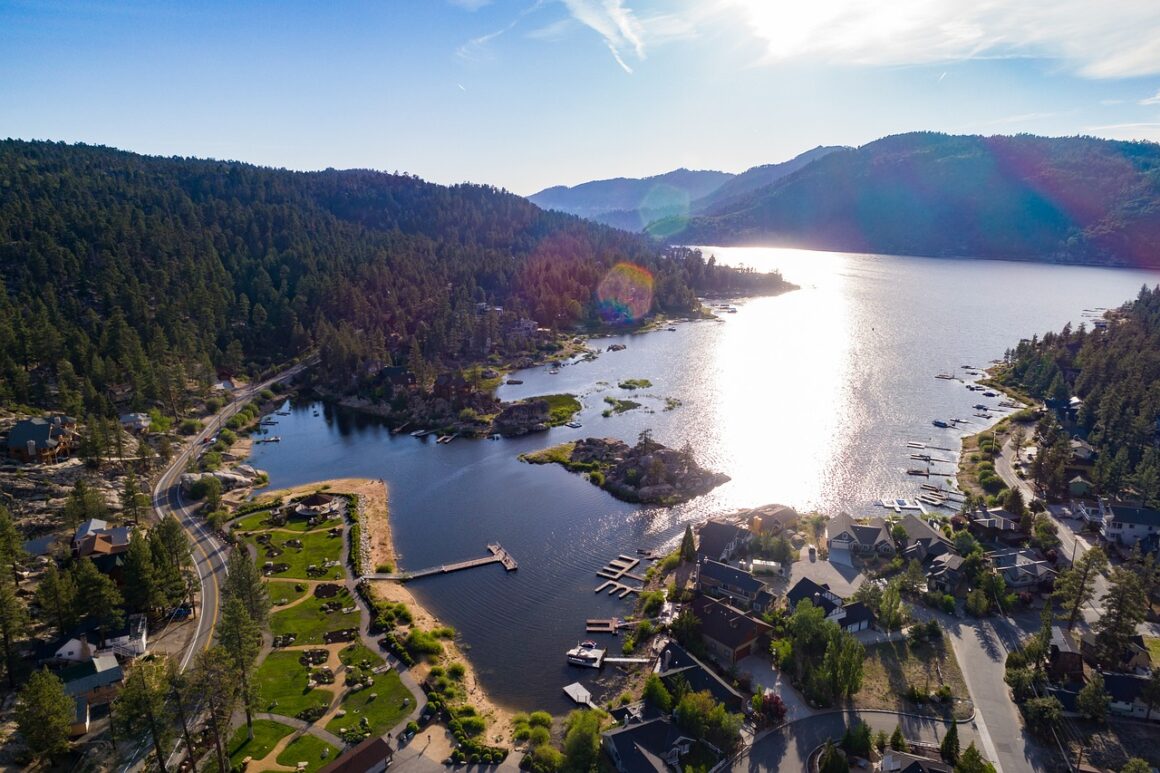
The lineup leans on German-brewed beer and brats served up around 6,700 feet of elevation, with a free trolley running so nobody has to hunt for parking after a few steins. Locals get in free every Sunday, which tells you this one’s built for repeat visits, not a single tourist stop.
It’s about two hours from most of Los Angeles — close enough to book a hotel and make a real weekend of it instead of a single day trip.
Leavenworth, Washington: the one that costs the most, and mostly earns it
Leavenworth built its whole identity around looking Bavarian — the town repainted itself German in the 1960s after the railroad and the sawmill both pulled out, betting on a theme instead of restoring what it used to be. We’ve wandered Front Street on an ordinary weekend and it already plays the part; add a beer tent, a parade, and three stages of music and it plays it even harder.

2026’s festival runs three weekends — October 2–3, 9–10, and 16–17 — Fridays and Saturdays only, so plan around that if you’re picturing a full week of lederhosen. Tickets run $20 for a Friday, $40 for a Saturday, or $50 for a full weekend pass, and kids 12 and under get in free.
Nina’s full Leavenworth guide covers what to do with the rest of the trip, because one weekend in this town is never really just about the festival. A free shuttle covers the route into downtown, so skip the parking fight entirely.
It’s the priciest of the three by a clear margin, but also the only one with an actual Bavarian village built around it instead of a convention center or a street fair. Worth booking a hotel early — festival weekends sell out fast.
Three states, three completely different versions of the same German holiday — free and low-key in Oregon, a long slow burn in California, or the full costume-and-castle version in Washington. Which one’s actually worth the drive for you?
Trip tips: grab a rental car to get between any of these — none of them are exactly walkable from an airport.
Rules and fees change — always confirm current requirements before you go.