One of these West Coast petroglyph sites is up to 12,000 years old, and none of them make you book a tour
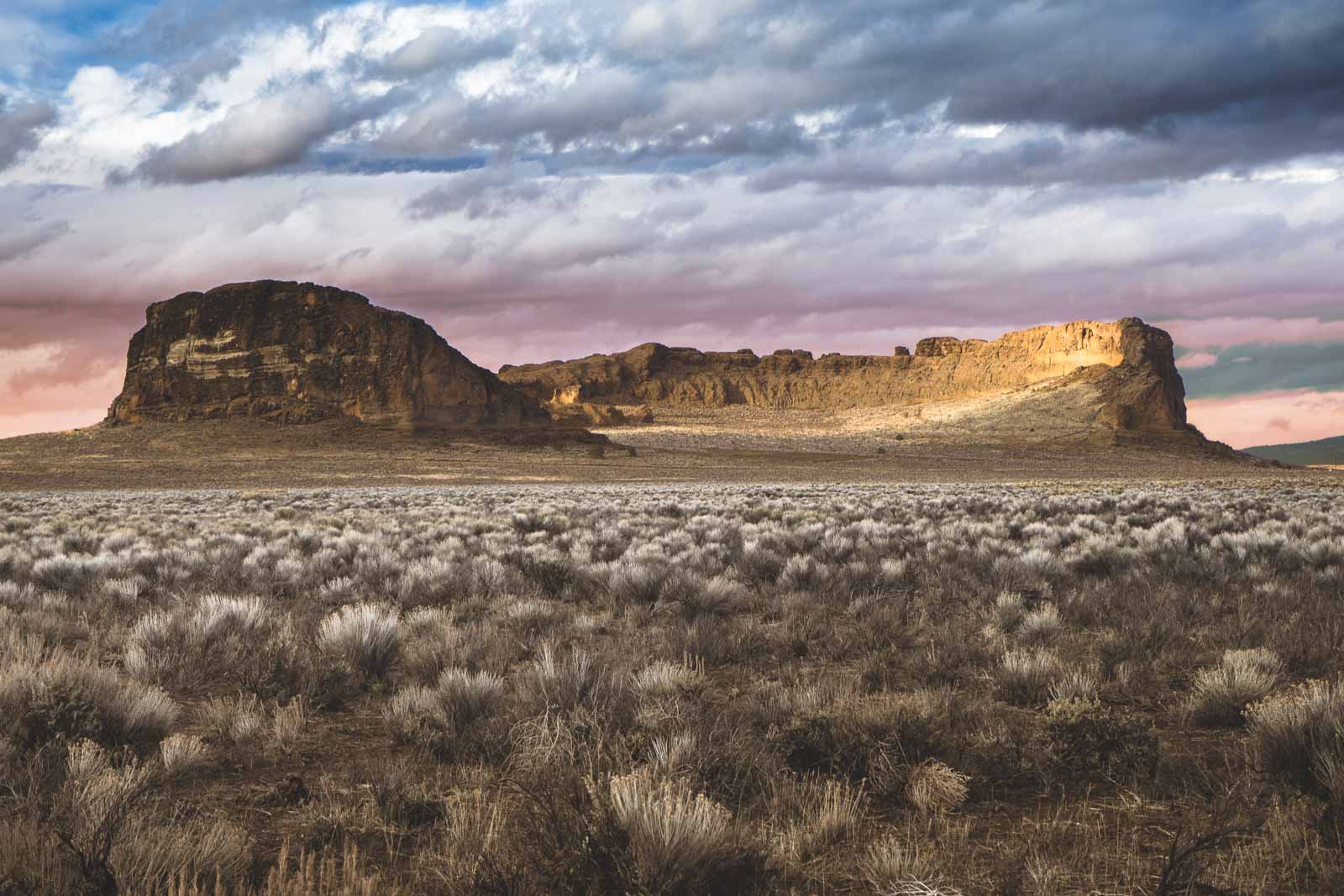
Some of the oldest human artwork on the West Coast is sitting on public land right now, and you don’t need a permit, a ranger, or a reservation to walk up and see it.
Three sites across Oregon, Washington, and California let you get face-to-face with petroglyphs and pictographs carved centuries — in one case, millennia — before anyone thought to put a fence around them. Here’s where to find each one, and what makes it worth the detour.
Psst — we made you a West Coast Adventure Map. Nearly 1,900 of our favorite spots, already pinned, ready to load into Google Maps in two clicks — grab it here.
Oregon’s Picture Rock Pass is older than Stonehenge, and it’s a 15-minute round trip
Between Summer Lake and Silver Lake on Highway 31, a dirt pullout between mileposts 63 and 64 marks the start of a short walk to one of the oldest known petroglyph sites in North America.
📍 GET THE ULTIMATE PNW MAP 🗺️
Get our curated list of the best adventures, things to do, and places to grab a brew loaded onto your maps with just two clicks!
✅ Waterfalls ✅ Hikes ✅ Viewpoints
✅ Craft breweries ✅ National Parks ✅ 1400+ Pins

Archaeologists estimate the carvings on this basalt boulder date back somewhere between 7,500 and 12,000 years, and the site landed on the National Register of Historic Places in 1975. Getting there is a 0.2-mile walk each way on the rocky Medicine Man Trail, the land is BLM-managed, and day use is free.
Don’t touch the rock or climb on it. Altering a petroglyph is a federal offense, and the only reason these carvings have survived 12,000 years is that nobody’s laid a hand on them.
California’s Painted Cave doesn’t even have a parking lot
Tucked into the Santa Ynez Mountains above Santa Barbara, Chumash Painted Cave State Historic Park is a sandstone cave barely big enough to duck into, covered in red, black, and white pictographs painted by the Chumash people.
Most archaeologists date the paintings to somewhere between 500 and 1,000 years old, though the cave may have served as a ceremonial site well before that. There’s no visitor center and no entrance fee — just a small pull-off on Painted Cave Road, off Highway 154, open dawn to dusk.
One catch: Painted Cave Road can close during periods of high fire danger, so it’s worth checking conditions before you make the drive up into the hills.
Washington’s petroglyphs already survived one close call, with a dam
The petroglyphs on display at Ginkgo Petrified Forest State Park in Vantage aren’t sitting where they were carved. About 60 of them were cut from a riverside cliff in 1963 and moved here just ahead of the rising water behind Wanapum Dam, which permanently flooded the original site.
They’re cemented into an outdoor wall next to the park’s interpretive center now — sunbursts, animals, and human figures carved by the Wanapum people, close enough to walk right up to. The interpretive center runs 11am to 6pm daily through mid-September, you’ll need a Discover Pass to park, and the nearby Wanapum Recreation Area makes an easy add-on stop.
Three sites, three different reasons they’re still standing: a boulder nobody’s touched in 12,000 years, a cave with no gift shop, and a wall of history that got a second life right before it went underwater. Which one’s closest to your next road trip?
Trip tips: grab a rental car to reach all three (they’re spread out), lock in a hotel along the way, or skip both and book a camper van instead.
Rules and fees change — always confirm current requirements before you go.