One of these West Coast tide pool spots costs nothing, one costs $7, and the third means buying the same pass you’d need for Yellowstone
Tide pooling gets filed under summer activities, and that’s actually backwards. The lowest tides of the year on the West Coast happen in the middle of the night all summer long — the daylight version doesn’t show up until fall.
The National Park Service says as much about its own San Diego tide pools: extreme low tides swing into daylight hours once winter approaches, while summer’s best minus tides hit while everyone’s asleep. That pattern holds up and down the coast, which means the next few months are the real window, not July.
Here’s one spot worth timing a trip around in each state, and what it actually costs to walk in.
Psst — we made you a West Coast Adventure Map. Nearly 1,900 of our favorite spots, already pinned, ready to load into Google Maps in two clicks — grab it here.
📍 GET THE ULTIMATE PNW MAP 🗺️
Get our curated list of the best adventures, things to do, and places to grab a brew loaded onto your maps with just two clicks!
✅ Waterfalls ✅ Hikes ✅ Viewpoints
✅ Craft breweries ✅ National Parks ✅ 1400+ Pins

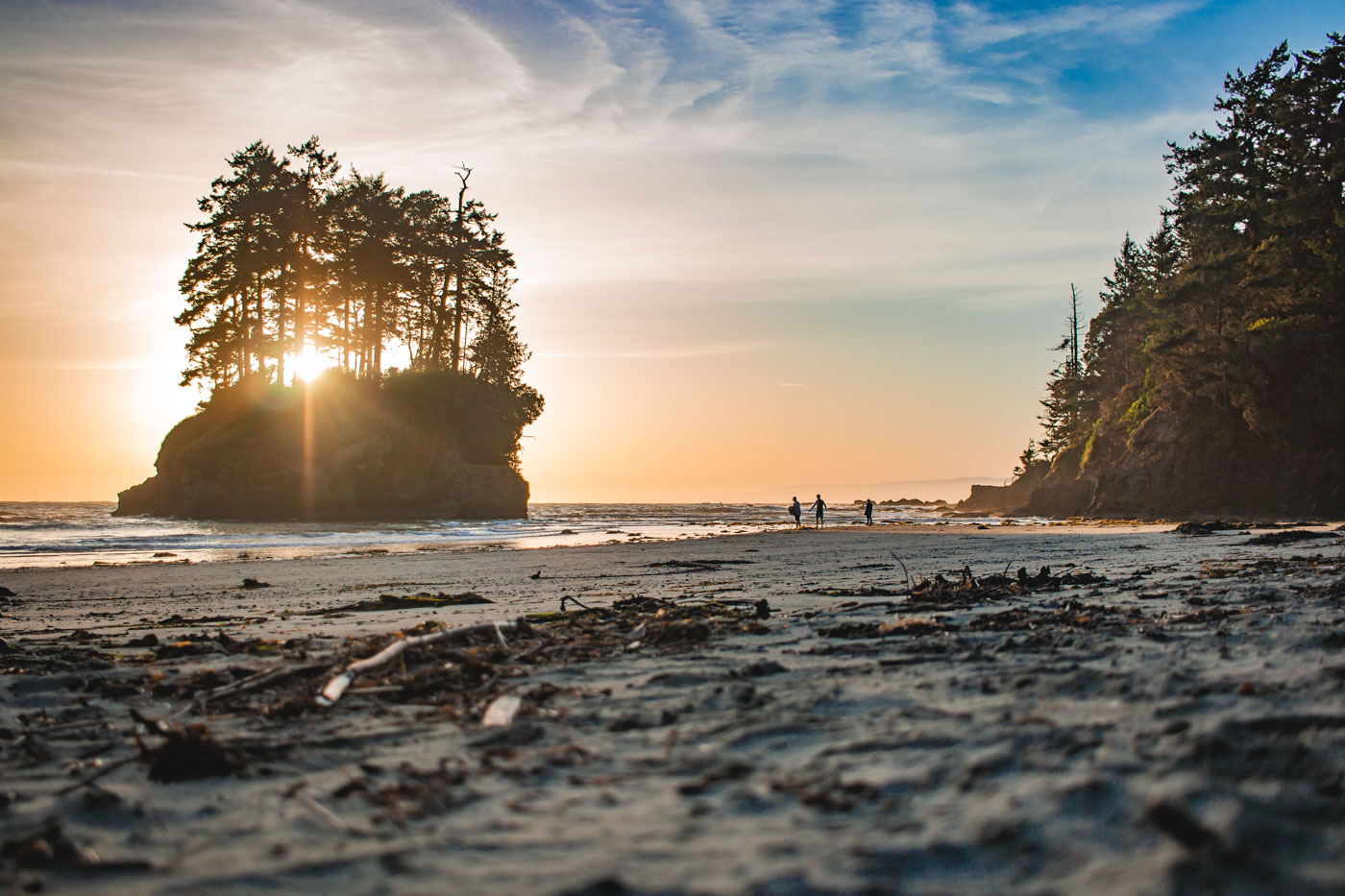
Washington — Salt Creek Recreation Area, Tongue Point (free)
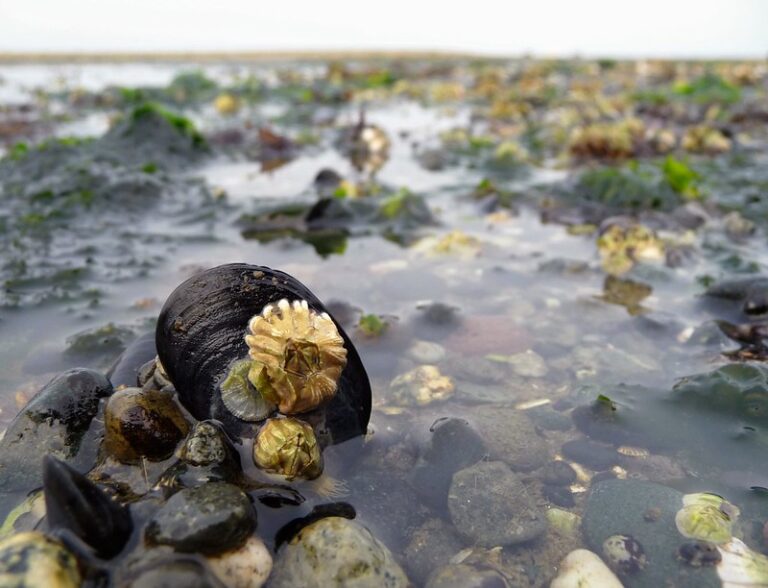
Tongue Point sits at the west end of Salt Creek Recreation Area outside Port Angeles, and Washington’s own wildlife department calls it some of the best tide pool habitat in the state. At a good minus tide, the rocky shelf pulls back to expose anemones, sea stars, chitons, and hermit crabs by the dozens.
It’s a Clallam County park, not a state park, so there’s no Discover Pass and no day-use fee — just show up and park. County ordinance bans collecting anything here, so it’s strictly a look-and-leave stop.
If you’re only making one tide pool trip this fall, honestly, make it this one. It’s free, it’s dense with life, and most people driving Highway 101 past Port Angeles have no idea it’s sitting fifteen minutes off the road.
Oregon — Yaquina Head Outstanding Natural Area, Cobble Beach ($7)
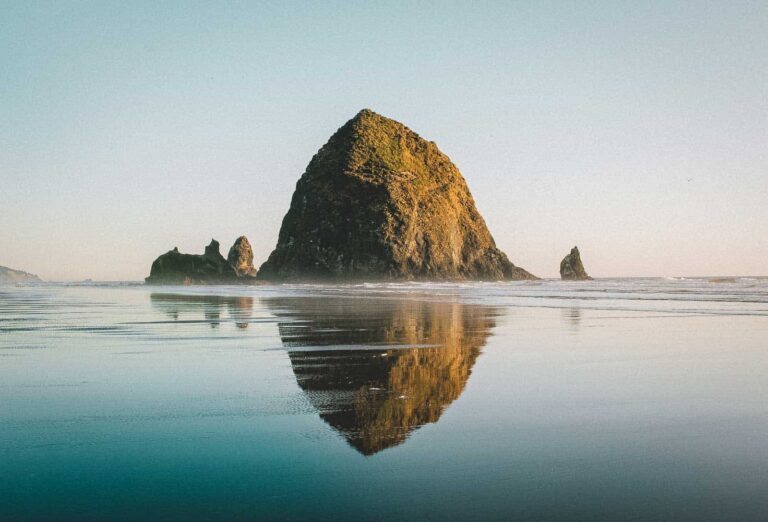
Cobble Beach sits below the lighthouse at Yaquina Head, just north of Newport, and the rounded basalt cobbles here rattle with every wave that rolls through. Time it around a minus tide and the exposed reef fills in with sea stars, purple urchins, and green anemones.
This one’s BLM land, not free like Salt Creek — a day-use pass runs $7 per vehicle for three days, though walkers and cyclists get in free. If you already carry the federal interagency annual pass, it covers you here too.
One thing worth knowing before you go: the BLM can restrict access to Cobble Beach during harbor seal pupping (mid-May through mid-June) and seabird nesting season, which runs into September. By the time fall’s minus tides roll around, that restriction is already behind you.

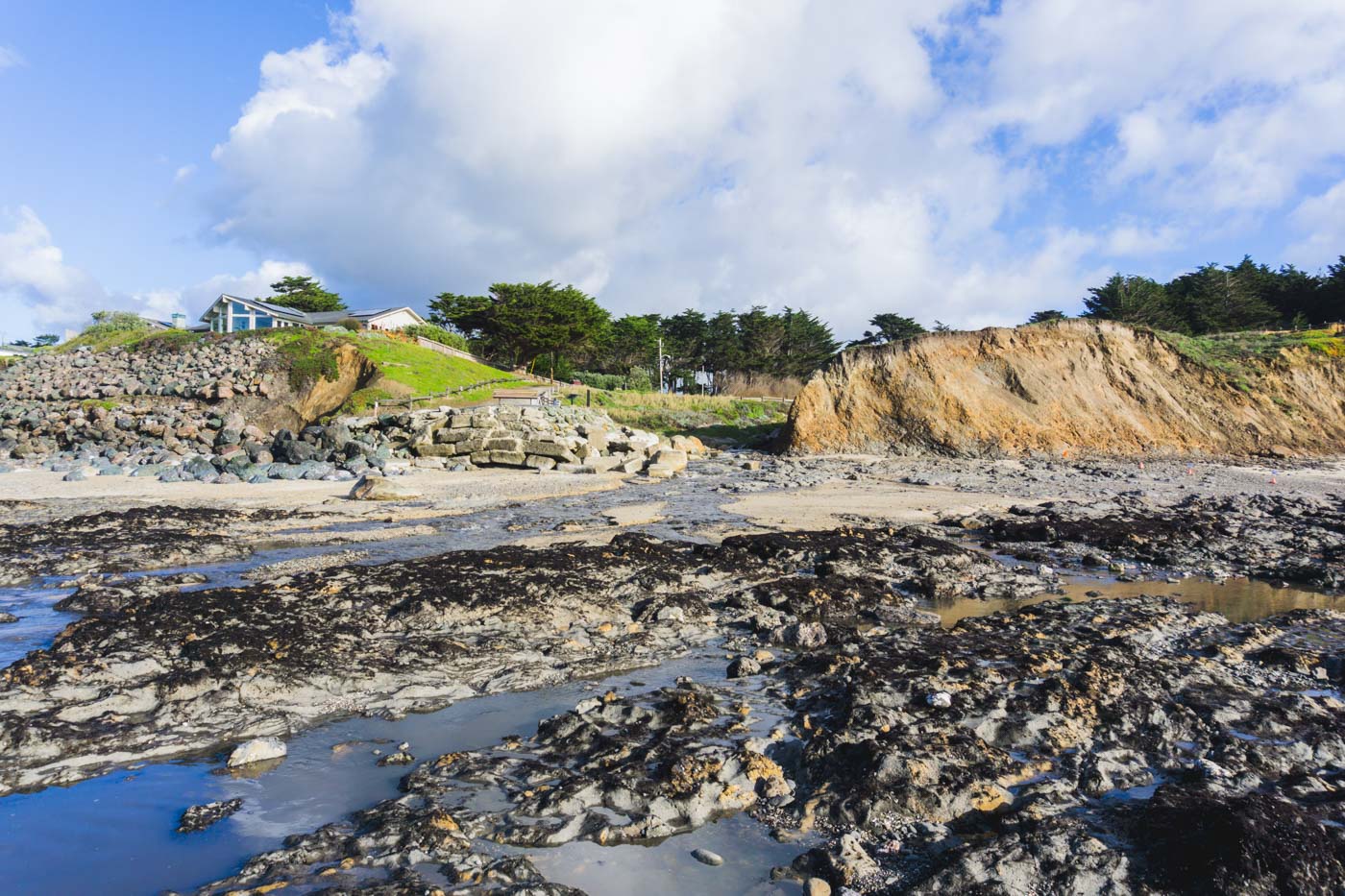
California — Cabrillo National Monument, Point Loma (national park pass)
Cabrillo, at the tip of Point Loma in San Diego, is actually where that daylight-tide explanation comes from — the National Park Service posts it right on the park’s own site. Rangers keep close tabs on the pools here, and the payoff is worth the attention: dense clusters of anemones, crabs, and sea stars packed onto a rocky shelf with the Pacific at your back.
This is the priciest stop on the list — $20 per vehicle for a 7-day pass. The upside is that it’s covered by the America the Beautiful annual pass, the same one that gets you into Yellowstone or Yosemite, so if this isn’t your only national park stop this year, it pays for itself fast.
Want to skip the fee entirely? Fitzgerald Marine Reserve up near Half Moon Bay is free — small lot, no admission charge, and some of the richest tide pools on the northern half of the state.
Before you go
Aim for a minus tide — anything below 0.0 feet exposes the most ground — and show up an hour or two before the low point so you can watch the pools emerge. NOAA’s tide charts are free and worth checking before every one of these trips.
Wet rocks and kelp are genuinely slick, so wear shoes with real grip. And this one’s non-negotiable at every spot on this list: look, don’t touch. These are protected ecosystems, and even well-meaning handling stresses the animals living in them.
This stretch of coastline is also sneaker-wave country — the water doesn’t announce itself before a bigger set rolls in. NOAA and the National Park Service both publish current safety guidance for exposed coastal areas, and it’s worth a read before you go, especially somewhere as remote as the Olympic coast.
Three states, three price tags, one very good excuse to check a tide chart before the weekend. Which one’s closest to you?
Trip tips: grab a rental car to string these together into a real coastal run, lock in a hotel near whichever stretch you’re hitting, or skip both and book a camper van if you’re making the whole drive.
Rules and fees change — always confirm current requirements before you go.