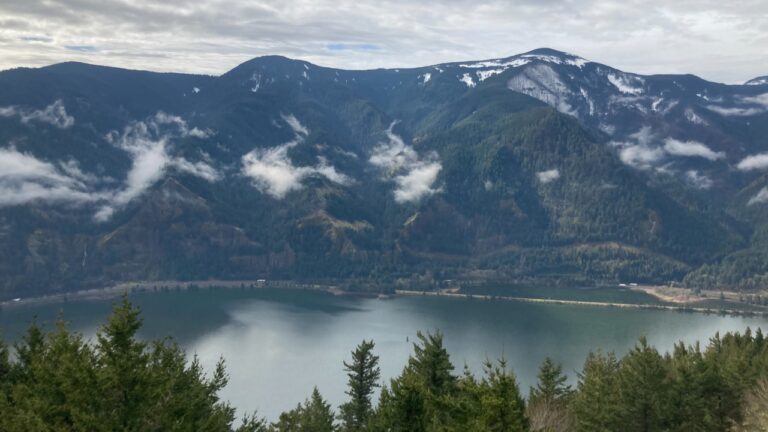
Only two Cascade volcanoes have erupted since 1900, and Oregon’s Mount Hood blew so recently that Lewis and Clark saw the mess
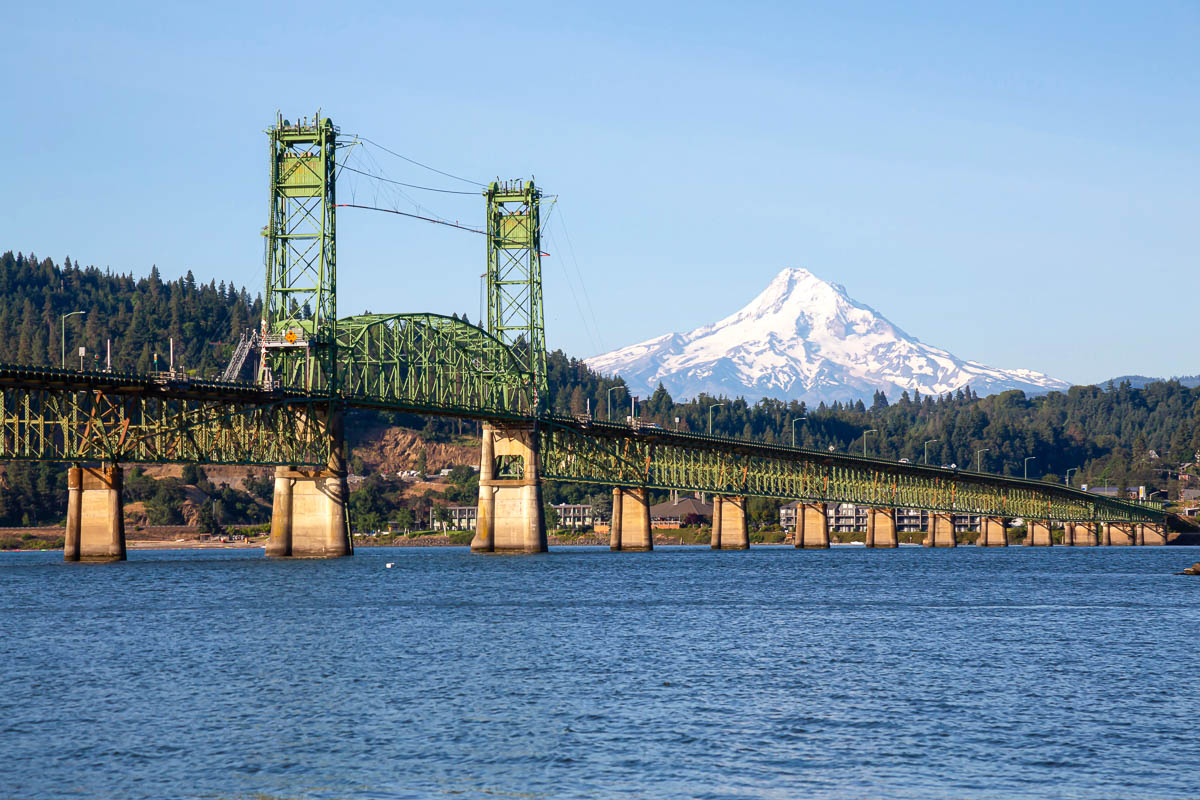
Mount Hood looks like it’s been asleep forever. It hasn’t. Its last big eruption happened in the late 1700s, so recently that Lewis and Clark showed up to the leftovers and named a river after them.
Zoom out and the Cascades get even better. The range averages about two eruptions a century, and since 1900 only two volcanoes have taken a turn: Lassen Peak in California and Mount St. Helens in Washington.
That’s one fresh volcano story per state. Even better, each one has an easy winter way in: a riverbank, a snowy visitor center, and a museum built for exactly this kind of gray day.
Psst, we made you a West Coast Adventure Map. Nearly 1,900 of our favorite spots, already pinned, ready to load into Google Maps in two clicks: grab it here.
📍 GET THE ULTIMATE PNW MAP 🗺️
Get our curated list of the best adventures, things to do, and places to grab a brew loaded onto your maps with just two clicks!
✅ Waterfalls ✅ Hikes ✅ Viewpoints
✅ Craft breweries ✅ National Parks ✅ 1400+ Pins

Oregon: Mount Hood and the river Lewis and Clark didn’t trust
Geologists call Mount Hood’s most recent big eruptive period the Old Maid. It kicked off around 1781 after more than 1,000 years of quiet, ran for a decade or more, and sent mudflows of volcanic rock and sand pouring down the Sandy River toward the Columbia.
When Lewis and Clark reached the river’s mouth in November 1805, that sediment was still flushing downstream. They compared the wide, braided channel to the Platte River back on the plains and called it the Quicksand River. Locals later trimmed it to Sandy.
You can stand right where they did at Lewis and Clark State Recreation Site in Troutdale, at the west end of the Historic Columbia River Highway. It’s a flat, grassy park where the Sandy spills into the Columbia, with interpretive markers about the expedition.
Want a little climb? A trail heads up to Broughton’s Bluff, a 160-foot wall of cliffs that marks the line between the Cascade foothills and the Willamette Valley. Parking takes an Oregon State Parks day-use permit, and you can buy a one-day pass on site.
California: Lassen Peak and the eruption someone photographed
Lassen Peak woke up in the spring of 1914, and its biggest explosion came on May 22, 1915. Activity sputtered on until 1921, and nothing else in the Cascades erupted again until 1980.
Here’s the twist: a local businessman named Benjamin Loomis photographed the eruptions, and those pictures helped get Lassen Volcanic National Park created on August 9, 1916. Nobody can say when the next eruption will come, and the park is refreshingly blunt that one will.

Once snow settles in, the main park road closes beyond the Kohm Yah-mah-nee Visitor Center near the southwest entrance, so that’s your base. Right now it’s open Fridays, Saturdays, Sundays and holidays from 9:30 a.m. to 4:30 p.m., closed Thanksgiving and Christmas.
Ranger-led snowshoe walks typically leave from there on weekends from January into March, with loaner snowshoes for a suggested $1 donation. Already own a pair? The 1.6-mile Manzanita Lake loop near the northwest entrance is the park’s beginner snowshoe route.
Winter roads up here can turn icy fast, so check the park’s alerts before you go and carry chains. Planning more than one national park this year? An America the Beautiful Pass covers entrance.
Washington: Mount St. Helens and the one everyone remembers
Then came May 18, 1980. After two months of earthquakes and smaller blasts, Mount St. Helens exploded in one of the most destructive eruptions of the 20th century. And it wasn’t finished: it kept erupting through 1986, then grew a new lava dome from 2004 to 2008.
The classic crater-view stop, Johnston Ridge Observatory, is still closed while the highway to it gets rebuilt after a 2023 landslide, with reopening expected in 2027. Your winter move is the Mount St. Helens Visitor Center at Silver Lake, about five miles east of I-5 near Castle Rock.
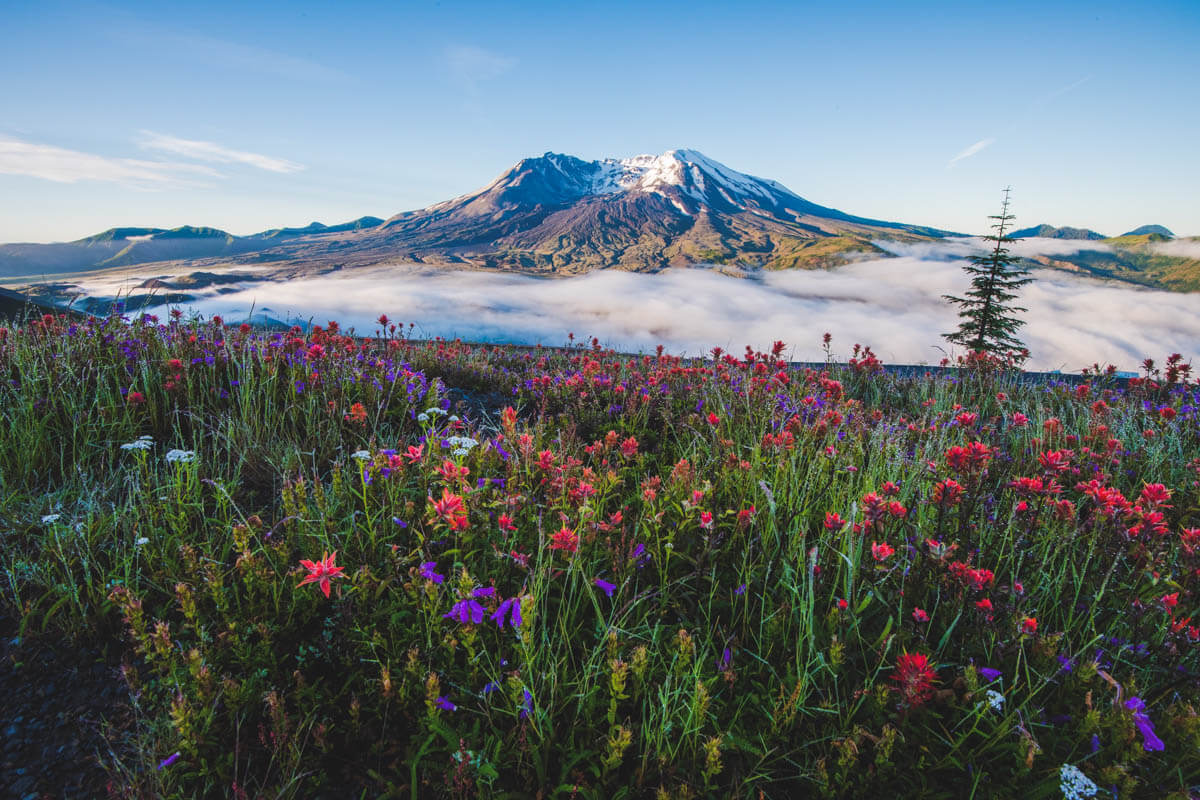
The center finished a major renovation in summer 2025, with all-new displays and a giant painted relief map of the post-eruption landscape. Through March it’s open Wednesday through Sunday, 10 a.m. to 4 p.m., and admission is $5 for adults, $2.50 for ages 7 to 17, and free for kids 6 and under.
Afterward, stretch your legs on the half-mile Wetland Haven Trail by the center. Turning it into a longer getaway? Our roundup of weekend trips from Seattle has more ideas.
Which volcano to visit first
If you only do one this winter, make it Lassen. You get the eruption story, a visitor center, and a good shot at real snow under your boots, all from the same parking lot.
Short on time near Portland? The Sandy River stop fits in an afternoon, and our guide to what to do at Mount Hood in winter gets you up close to the volcano itself. So which story got you: the quicksand river, the photographed blast, or the mountain still waiting on its road?
Trip tips: grab a rental car to get out here, lock in your hotel before the good rooms are gone, or skip both and book a camper van instead.
Rules and fees change, so always confirm current requirements before you go.