Sea otters vanished from Oregon over a century ago, but California and Washington still have them, and here’s where to watch
Oregon has an otter-shaped hole in its coastline. Fur traders wiped out the state’s sea otters in the early 1900s, and Oregon is still the only West Coast state without a resident population.
Drive a few hours in either direction, though, and you can watch the same animal bob on its back with a snack on its chest. Here’s where to find them in California and Washington, and what’s happening to bring them home to Oregon.
Psst, we made you a West Coast Adventure Map. Nearly 1,900 of our favorite spots, already pinned, ready to load into Google Maps in two clicks: grab it here.
California is the easy one
Southern sea otters live along the central California coast, from Monterey Bay down to Point Conception. They’ve been protected as a threatened species since 1977, and they still occupy only a sliver of their historic range.
📍 GET THE ULTIMATE PNW MAP 🗺️
Get our curated list of the best adventures, things to do, and places to grab a brew loaded onto your maps with just two clicks!
✅ Waterfalls ✅ Hikes ✅ Viewpoints
✅ Craft breweries ✅ National Parks ✅ 1400+ Pins

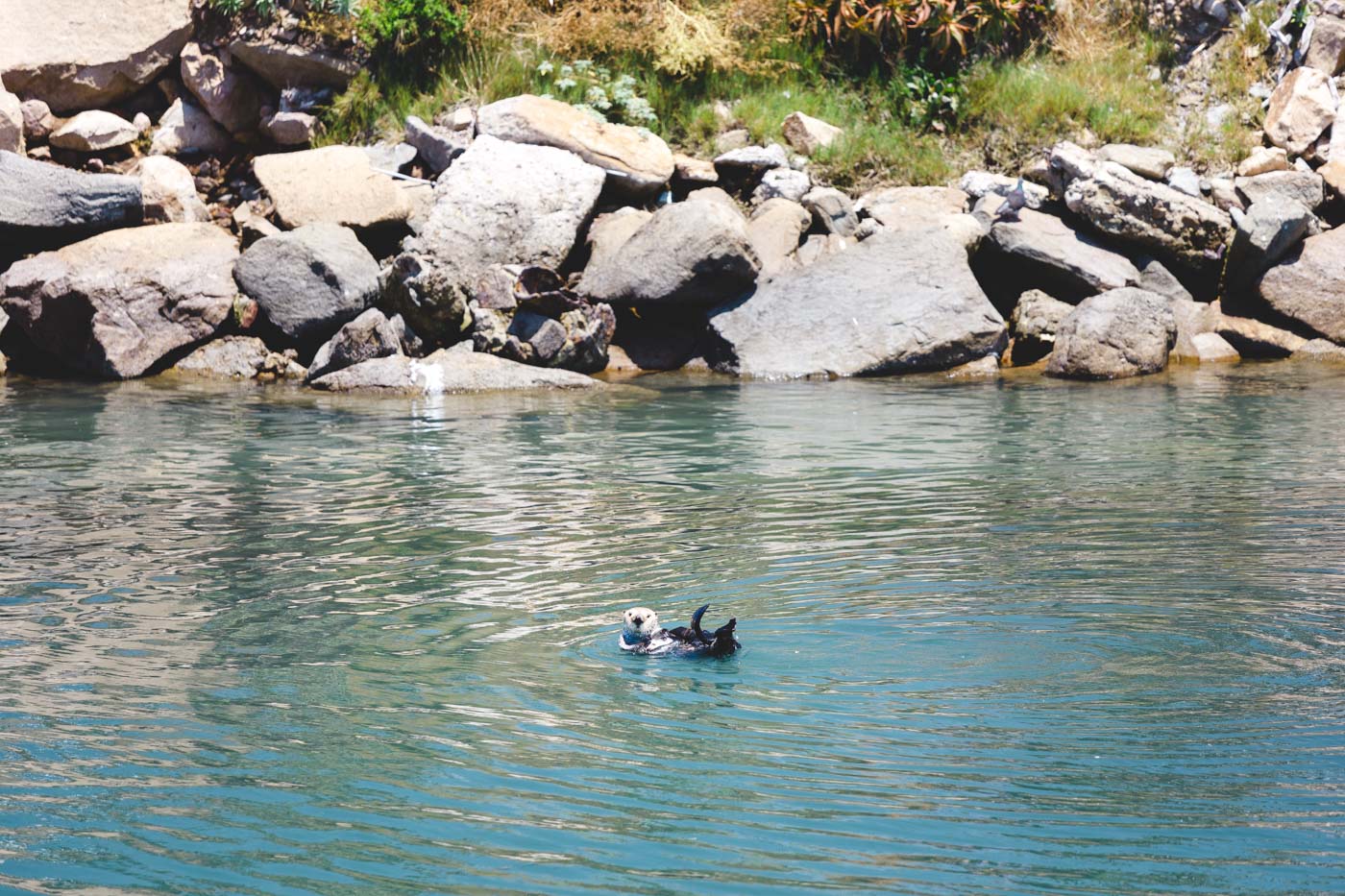
My pick for a first-timer is Elkhorn Slough near Moss Landing. The Kirby Park boardwalk and the Elkhorn Slough Reserve trails put you close without needing a boat.
Prefer a city setting? Walk the coastal trail along Cannery Row in Monterey, where otters are often visible from the shore or the public benches near the aquarium.
Morro Bay puts otters next to the fishing pier
Farther south, Morro Bay is another dependable place to spot them. Shore watching is the best option here: sit quietly and let the otters get on with their business.
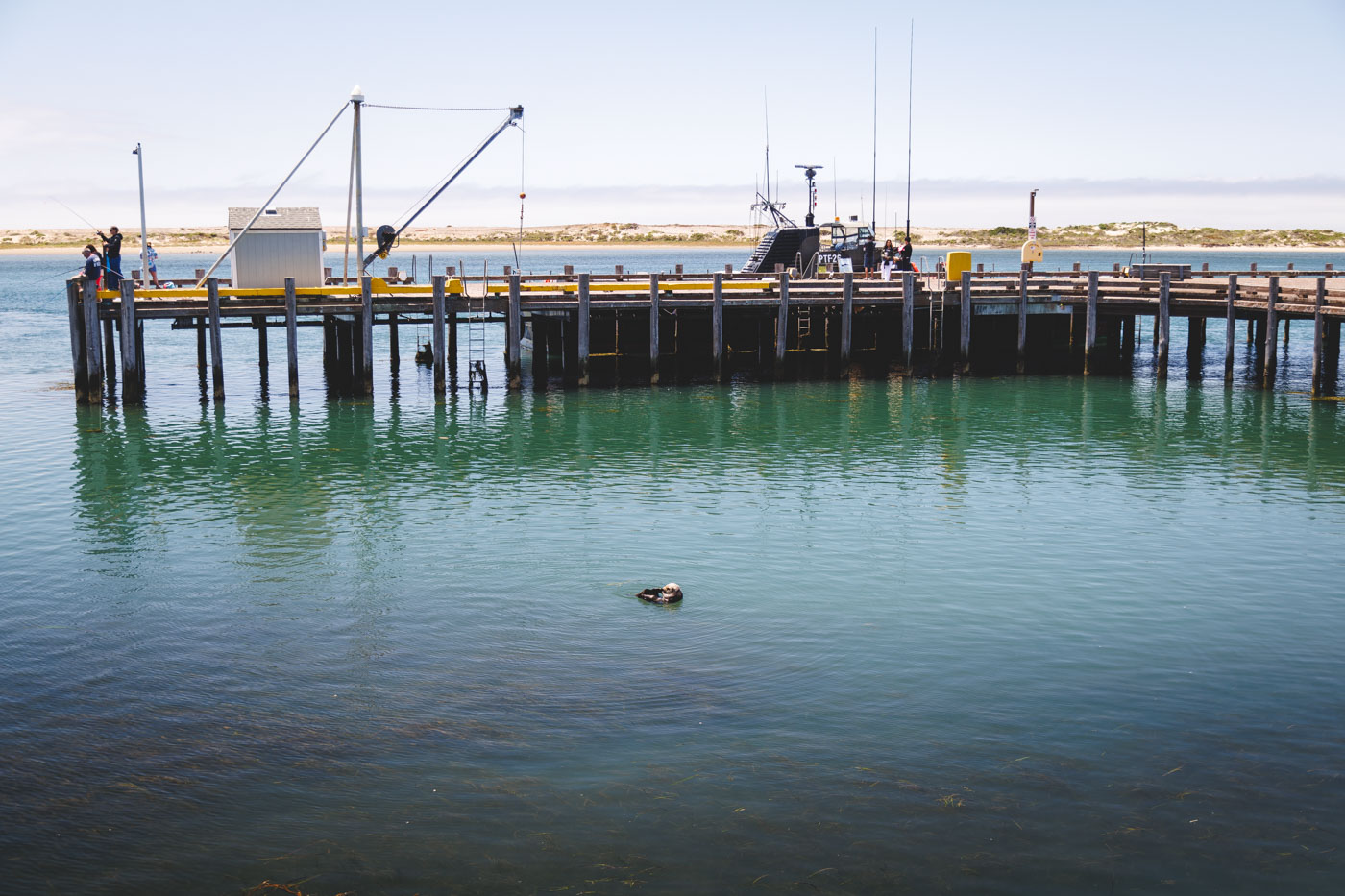
If you paddle instead, give them room. Wildlife guidance for the bay says to stay at least five kayak lengths (about 20 yards) away, never circle a group, and back off if an otter lifts its head and stares at you.
Washington’s otters live on the wild corner
Washington’s population is a different story: a northern subspecies that lives on the Olympic Peninsula’s rugged outer coast. A 2023 aerial survey counted 1,343 of them, spread from Copalis Rocks, just north of Grays Harbor, up to Cape Flattery and into the Strait of Juan de Fuca as far as Freshwater Bay.
That’s a long, remote stretch of shoreline, so this one is a binoculars-and-patience trip rather than a boardwalk stroll. Pack a spotting scope if you own one, because these otters tend to stay well offshore.
So when does Oregon get its otters back?
Conservationists with the Elakha Alliance are working to reestablish them. A 2022 U.S. Fish and Wildlife Service feasibility report called reintroduction to Oregon biologically feasible, though as of the latest update I could find, the agency was still in the early stages of deciding whether to move forward.
In the meantime, a couple of wandering males were documented off Cannon Beach in 2024, likely from Washington’s northern population. Oregon’s otter story is still being written, which makes this a great time to see where the animals already thrive.
Trip tips: grab a rental car to get out here, lock in your hotel before the good rooms are gone, or skip both and book a camper van instead.
Which state would you point your binoculars at first: the boardwalks of Monterey Bay, or Washington’s wild outer coast? Tell us in the comments.