The West Coast’s Richest People Are Ruining These 9 Perfectly Good Towns
What happens when Hollywood, Bay Area tech bros, and “Zoom-wealth” descend on once-charming towns? “Gentrification” suddenly becomes “glorified tourists” outbidding locals for craftsman homes, boutique coffee, and beachfront views. Here’s a look at nine towns where rolling riches are squeezing out authentic vibes—and locals aren’t thrilled.
1. Big Sur, California
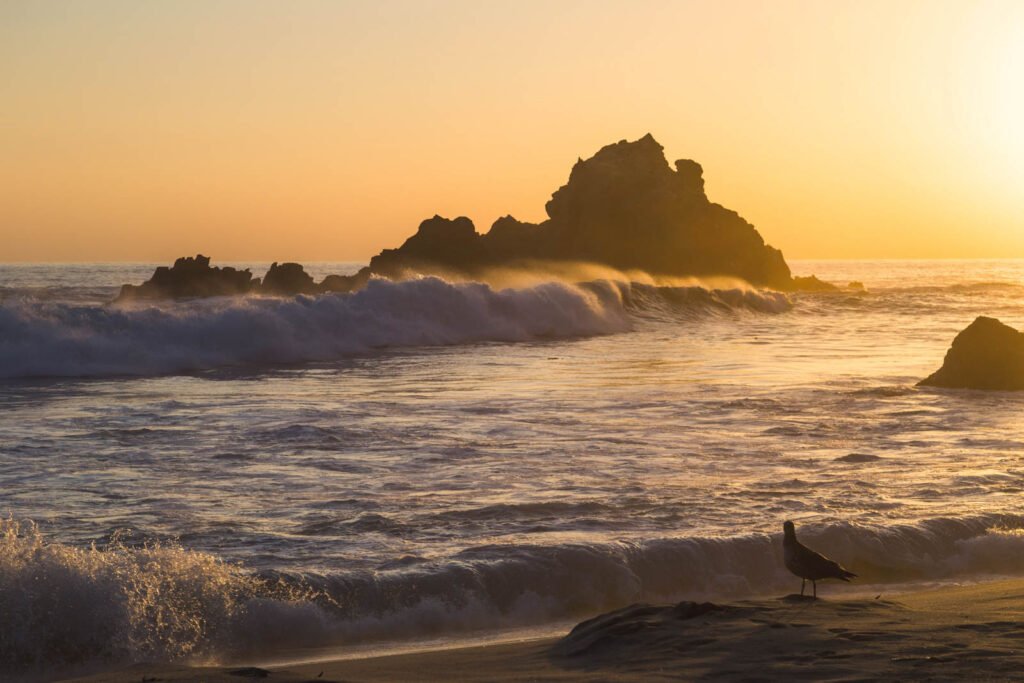
Big Sur’s land-use limits should’ve preserved its soul, but they’ve also priced out everyone who wasn’t already wealthy. Over half the homes are now second properties, often left vacant for months. Boutique inns and luxury lodges have mushroomed, but affordable lodgings for staff? Nearly gone. Employees often commute 50+ miles because housing isn’t accessible.
2. Truckee, California

Dubbed one of the nation’s top “zoom towns,” Truckee saw a 23% population surge as remote workers moved in. Prices rose steeply, public transit and services are strained, and housing costs soared. Locals joke it’s become a billionaire playground where the real community gets pushed out.
3. West Marin, California

Since the 1960s, West Marin has been a summer retreat for Bay-area elites. Today, vacation homes and rural estates are pushing property values up, making it hard for younger families and legacy dairy farmers to stay. There’s skyrocketing housing scarcity and environmental strain tied to development and tourism.
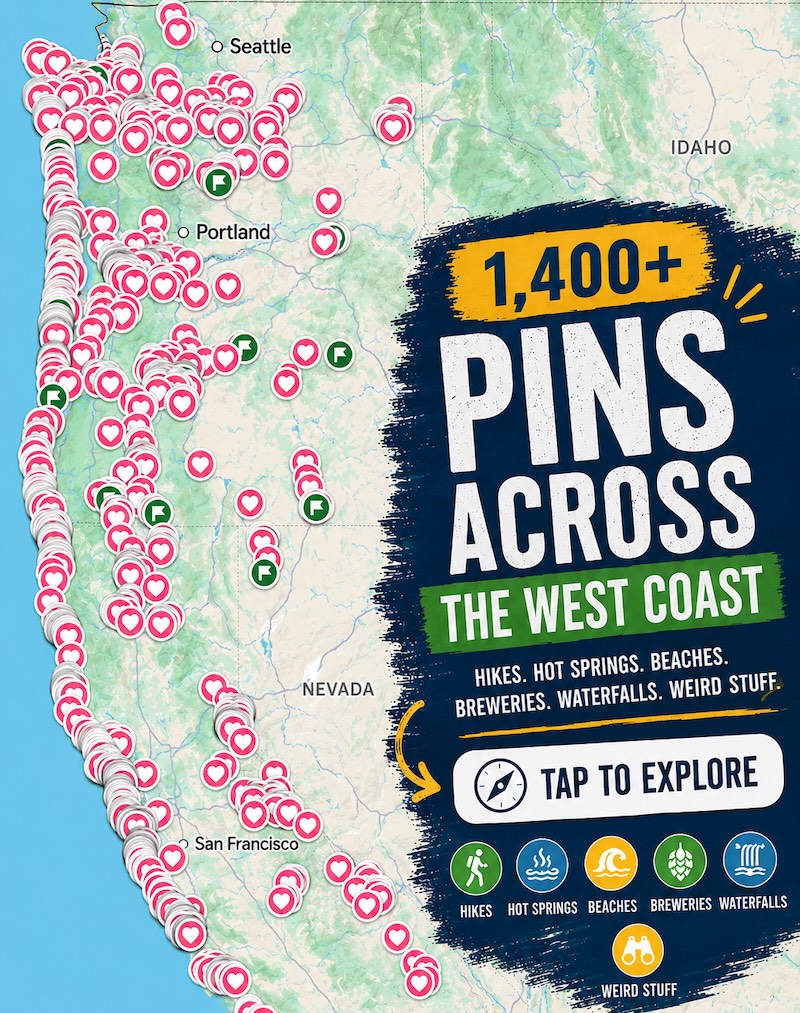
📍 GET THE ULTIMATE PNW MAP 🗺️
Get our curated list of the best adventures, things to do, and places to grab a brew loaded onto your maps with just two clicks!
✅ Waterfalls ✅ Hikes ✅ Viewpoints
✅ Craft breweries ✅ National Parks ✅ 1400+ Pins

4. Sausalito, California

Once a first-responder ferry ride from SF, Sausalito now teems with tech wealth. High-end cafes line the waterfront. Renters are priced out amid soaring condo conversions. Gentrifiers may get ocean views—but locals say the artistic, bohemian spirit has been replaced by polished second-home display.
5. Venice Beach, California

Street art? Gone. Surfer culture? Fading. Airbnbs, Instagram cafes, and luxury boutiques have invaded, driving rents up. Longtime residents are getting squeezed out, and walking the boardwalk now often feels like stepping onto a consumerist stage.
6. Hood River, Oregon

Craft beer, windsurfing, espresso bars—the “outdoorsy hipster HQ.” But arrival of affluent newcomers has increased property values and tightened the local housing market. Long-time residents and service workers now compete directly with remote workers for rentals.
7. Carmel-by-the-Sea, California

The story is familiar: affluence brings art galleries, boutique shops, and luxury lodgings—but locals report that community spirit has been eroded by wealth. With multi-million-dollar home prices and a visitor economy, lower-wage workers and artists struggle to stay.
8. South Lake Tahoe, California

Almost half of homes sit empty—vacation rentals or untended estates. A 2024 ballot measure aimed to tax these homes to fund affordable housing, highlighting how vacation homes are dominating the housing market and taking it from working families.
9. Bend, Oregon

Remote-work wealth hit Bend hard—median home increases of 11.3% year over year versus 6.7% in cities. Housing shortage and local service gaps make affordability tough. Cafes, galleries, and coworking spaces are popping up non-stop—while affordable rentals vanish fast.
Why This Is a Problem

- Boutique coffee shops and elevated amenities often mark gentrification trends
- Vacation homes reduce local rental housing and drive up prices
- Cultural displacement: long-time residents are priced out, losing community institutions
- Infrastructure under pressure: schools, roads, emergency services stretch thin
MORE ON THE WEST COAST:

READ MORE: The Best of Oregon
READ MORE: The Best of Washington
READ MORE: The Best of California
*GRAB THE BEST WEST COAST ADVENTURE MAP FOR YOUR NEXT TRIP!*