These 8 ‘Charming’ West Coast Towns Are Dying Out Fast
Charming coastal towns draw dreamy pictures—but many are losing residents, shuttering main streets, and watching their economies fade. From tourist-dependent hubs hit by fewer travelers to legacy towns priced out by climate gentrification, here are 8 West Coast communities that look lovely on the surface… but are quietly slipping away.
1. Guadalupe, California

Once a bustling agricultural hub south of San Luis Obispo, Guadalupe recently lost its last century-old grocery store: Masatani’s Market closed after 102 years in business. With a population hovering near 8,000, the town hasn’t seen substantial growth for decades. Historic storefronts remain empty, and locals report a lack of investment and dwindling foot traffic. It’s a picturesque place caught in a holding pattern—visually intact, but economically stalled.
2. Capitola, California
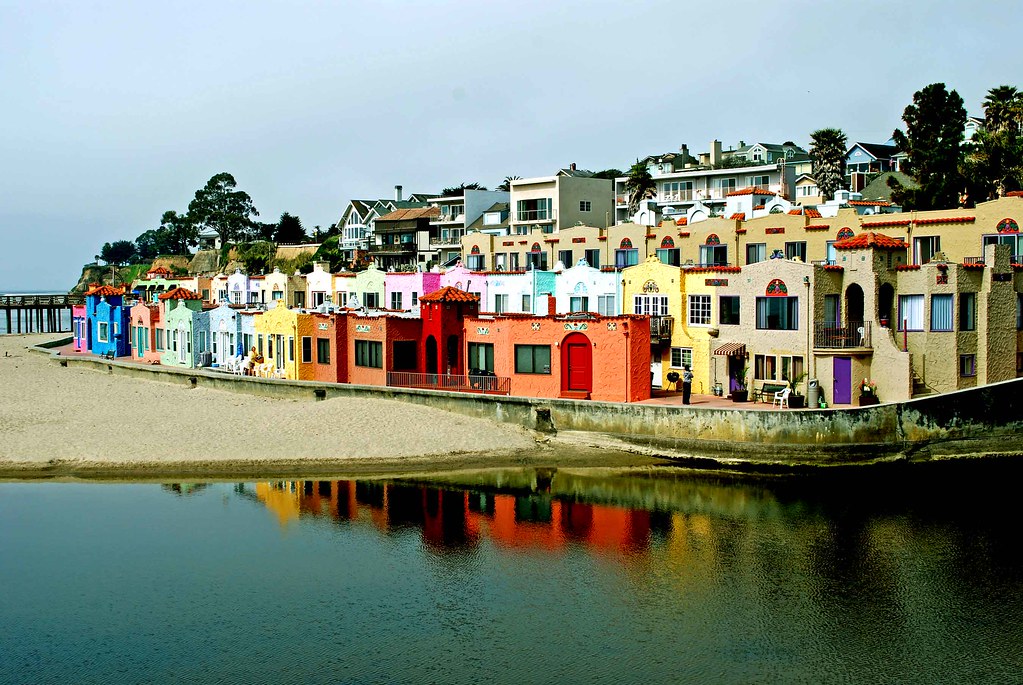
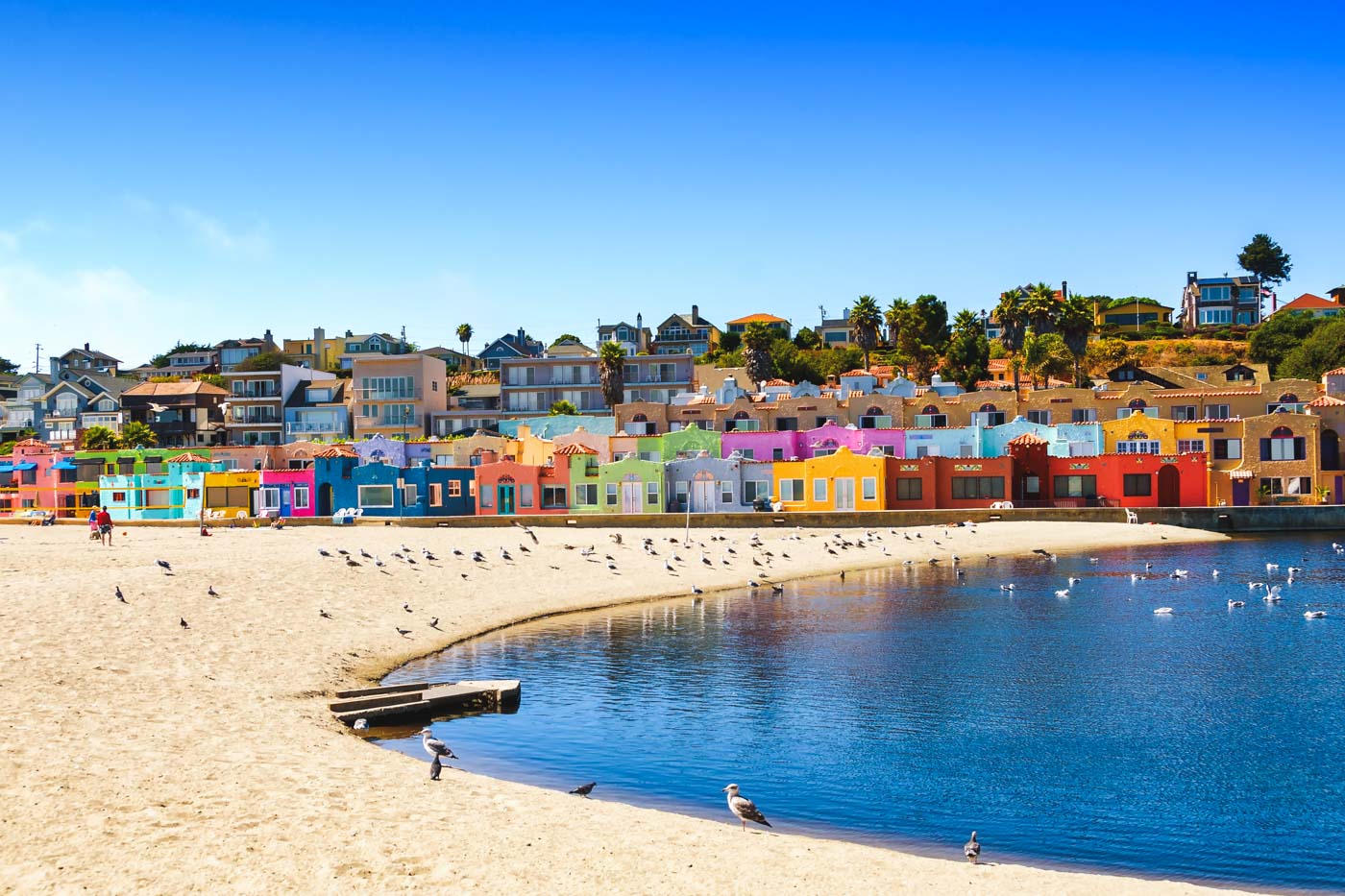
This pastel-hued gem has become overly reliant on tourism. Despite a sharp decline in permanent residents—from 9,920 in 2020 to 9,340 in 2025 (a 5.8% drop)—Capitola doubled down on visitor appeal rather than bolstering its living community. Residents say local shops target tourists, while daily services disappear. Pretty views aren’t enough to compensate for a hollowed-out town.
3. Cayucos, California

Population fell from 2,592 in 2010 to 2,505 in 2020, a continued downward trend. This unincorporated beach community was once a local favorite, but aging demographics (median age nearly 58) and little fresh investment have turned it sleepy. Small businesses struggle year-round, and young families find little to settle down to.
📍 GET THE ULTIMATE PNW MAP 🗺️
Get our curated list of the best adventures, things to do, and places to grab a brew loaded onto your maps with just two clicks!
✅ Waterfalls ✅ Hikes ✅ Viewpoints
✅ Craft breweries ✅ National Parks ✅ 1400+ Pins

4. Salton City, California

Born in the 1960s as a lakeside resort, Salton City never reached development goals. In 2020, nearly 38% of homes were vacant or part-time residences. With only ~5,200 residents, there’s minimal local economy, scant services, and a ghostly feel. It’s beautiful, yes—but increasingly empty and fragile.
5. Fort Nelson, British Columbia (close West Coast parallel)

Though not U.S.-based, this former forestry town mirrors American coastal decline. Its population shrank as mills closed—home values dropped 63% between 2014 and 2019. Basic services, including internet and healthcare, closed or weakened. It’s now barely held together, reliant on seasonal tourism and government support.
6. Rural Coastal Towns in Humboldt/Siskiyou, CA

Rural northern communities face youth outmigration, aging populations, and shuttered storefronts. Census data shows similar small-town loss trends across rural America . Once-thriving local economies have faded, and residents say today’s charm is marred by empty buildings and limited job options.
7. Pacific Beach / Ocean Beach, San Diego, CA
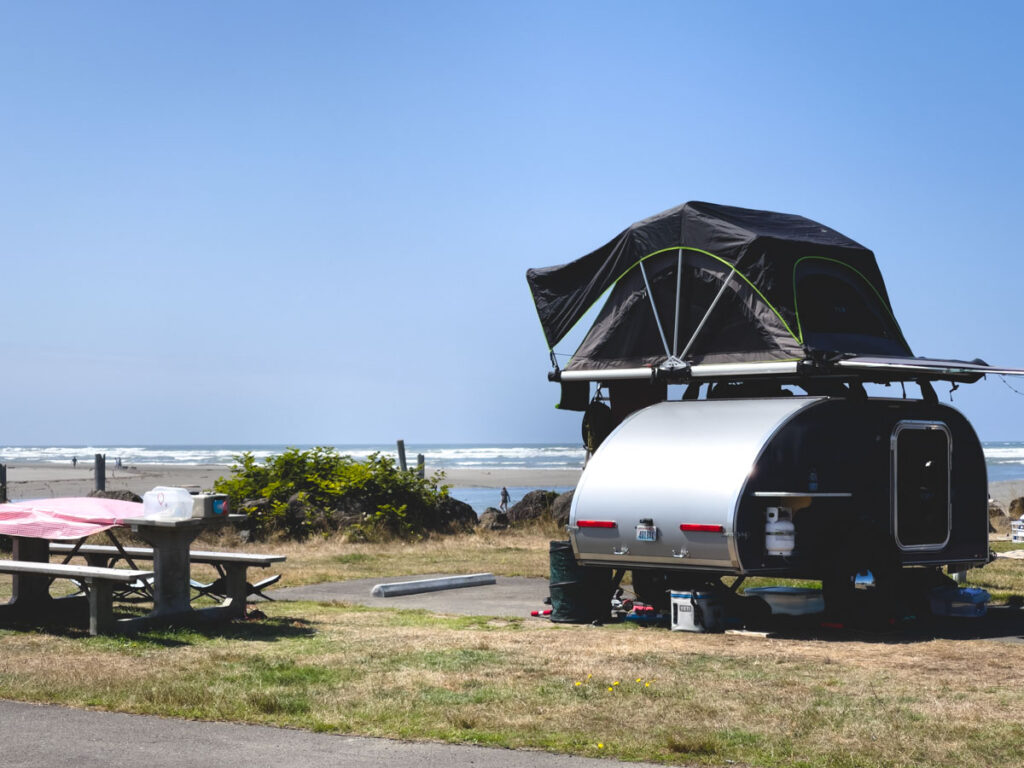
While tourism drives foot traffic, local business closures still happen fast—Ooma data notes the L.A.–Long Beach–Anaheim region (including southern coastal towns) lost 5.56% of small businesses, or 100,000 closures in a year. Sandwiched between high rent and tourist seasonality, these small beachfront enclaves are shrinking behind the scenes.
8. Northern California Towns Hit by Wildfires
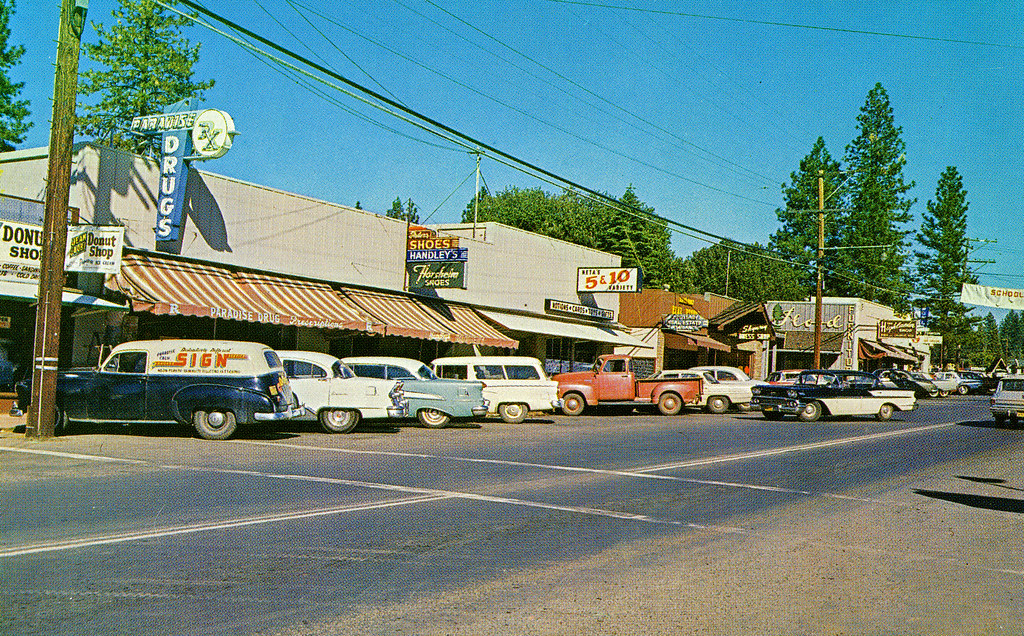
Paradise and Greenville recovered with assistance—but saw “climate gentrification,” where aid and insurance dollars drove out long-time residents. Rebuilt homes are pricier, replacing affordable ones. Towns lost their core communities even as physical infrastructure rose again.
Why They’re Struggling
- Declining resident counts: Locals move for jobs, leaving empty storefronts.
- Tourist dependency: Seasonal dollars mask long-term weakness.
- Climate events: Disasters drive out economic diversity and affordability.
- Demographic aging: Few replacement businesses as owners retire or move.
MORE ON THE WEST COAST:

READ MORE: The Best of Oregon
READ MORE: The Best of Washington
READ MORE: The Best of California
*GRAB THE BEST WEST COAST ADVENTURE MAP FOR YOUR NEXT TRIP!*