Three West Coast wildlife shows are peaking right now, and you can watch every one of them from dry land
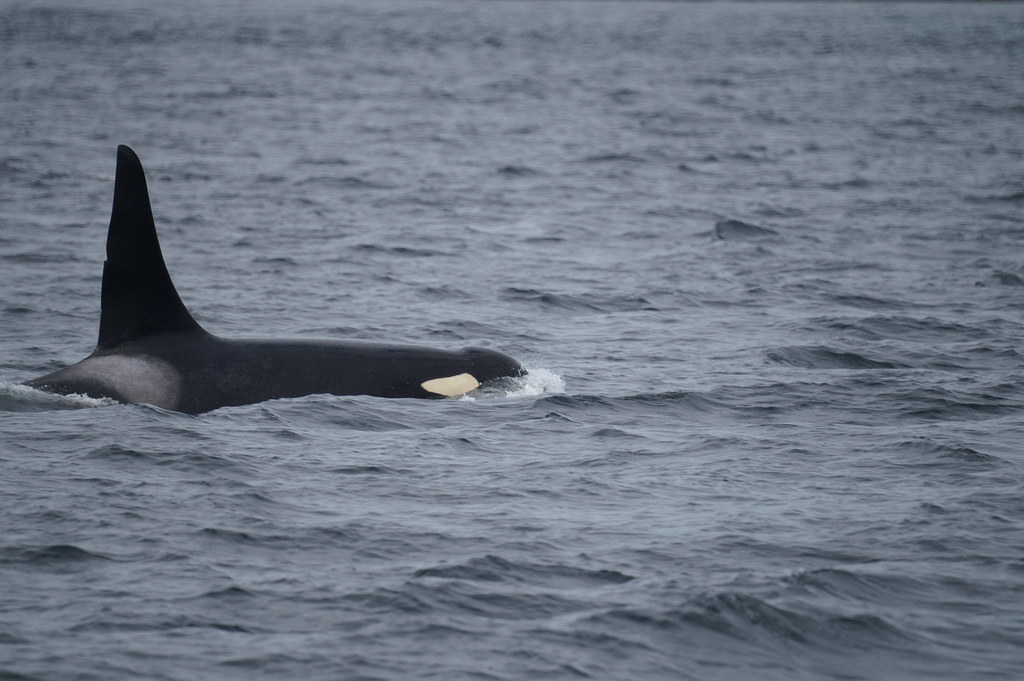
Right now, three different animals up and down the coast are putting on the best show of their year — and you don’t need a wetsuit, a boat ticket, or a lucky break to catch any of them. Gray whales are skipping their usual migration schedule off Oregon. Orcas are cruising past a lighthouse close enough to hear them breathe, and sea otters are working the kelp at one of California’s most photographed points.
Psst — we made you a West Coast Adventure Map. Nearly 1,900 of our favorite spots, already pinned, ready to load into Google Maps in two clicks — grab it here.
Oregon: the gray whales that never left
Most gray whales pass Oregon twice a year — south to Mexico in winter, north to Alaska in spring. A few hundred skip the migration altogether and just stay, feeding close to shore from June through November.
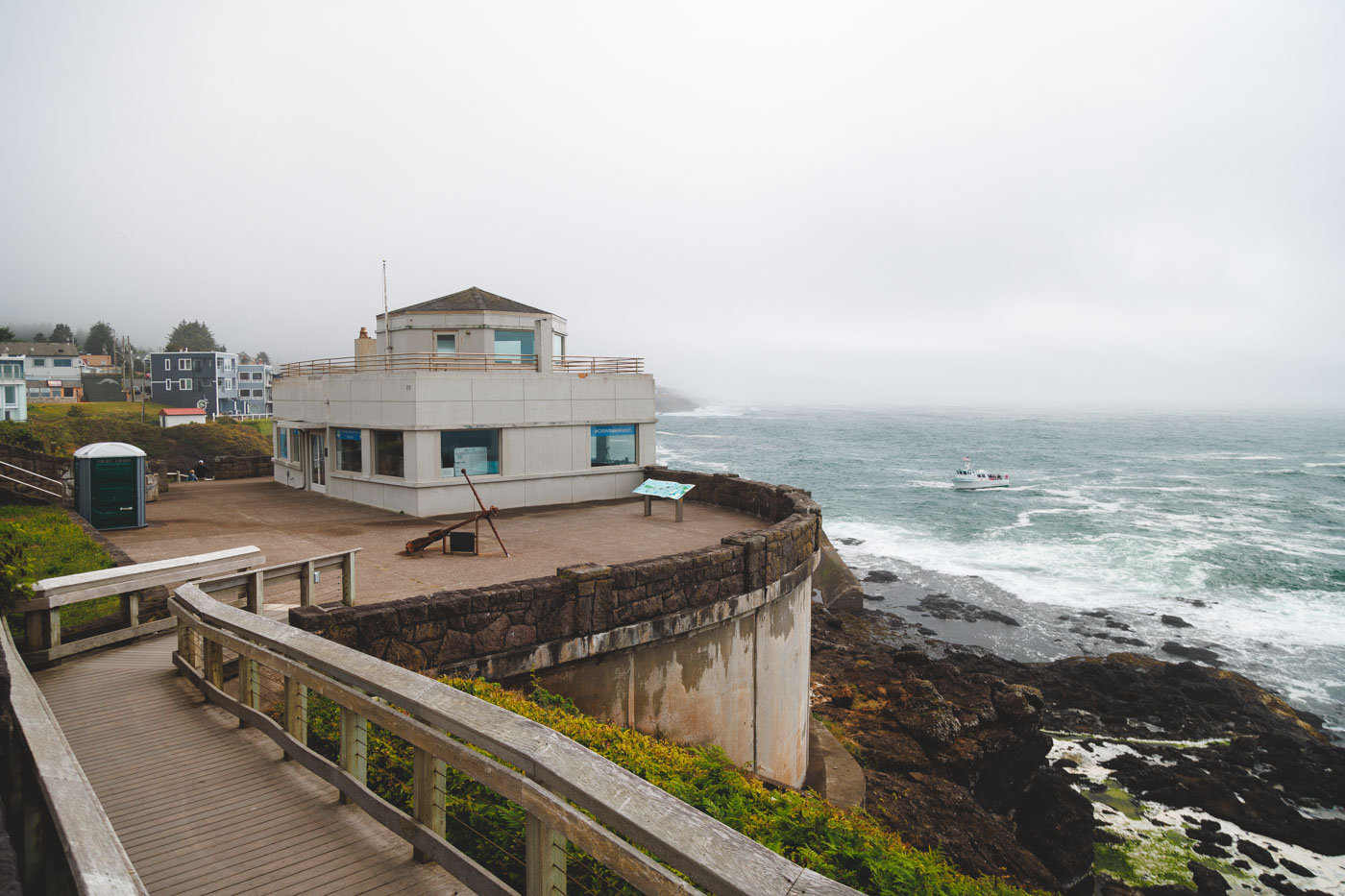
Depoe Bay’s Whale Watching Center sits right on the seawall downtown, and the staff and volunteers on the deck are usually faster at spotting a spout than you will be. Why pay for a boat when the whales are already this close to the parking lot?
📍 GET THE ULTIMATE PNW MAP 🗺️
Get our curated list of the best adventures, things to do, and places to grab a brew loaded onto your maps with just two clicks!
✅ Waterfalls ✅ Hikes ✅ Viewpoints
✅ Craft breweries ✅ National Parks ✅ 1400+ Pins

The center runs seasonally, Wednesday through Sunday, so check hours before making the drive out. It’s free, staffed, and about as low-effort as marine wildlife-watching gets.
California: otters and seals showing off in the kelp
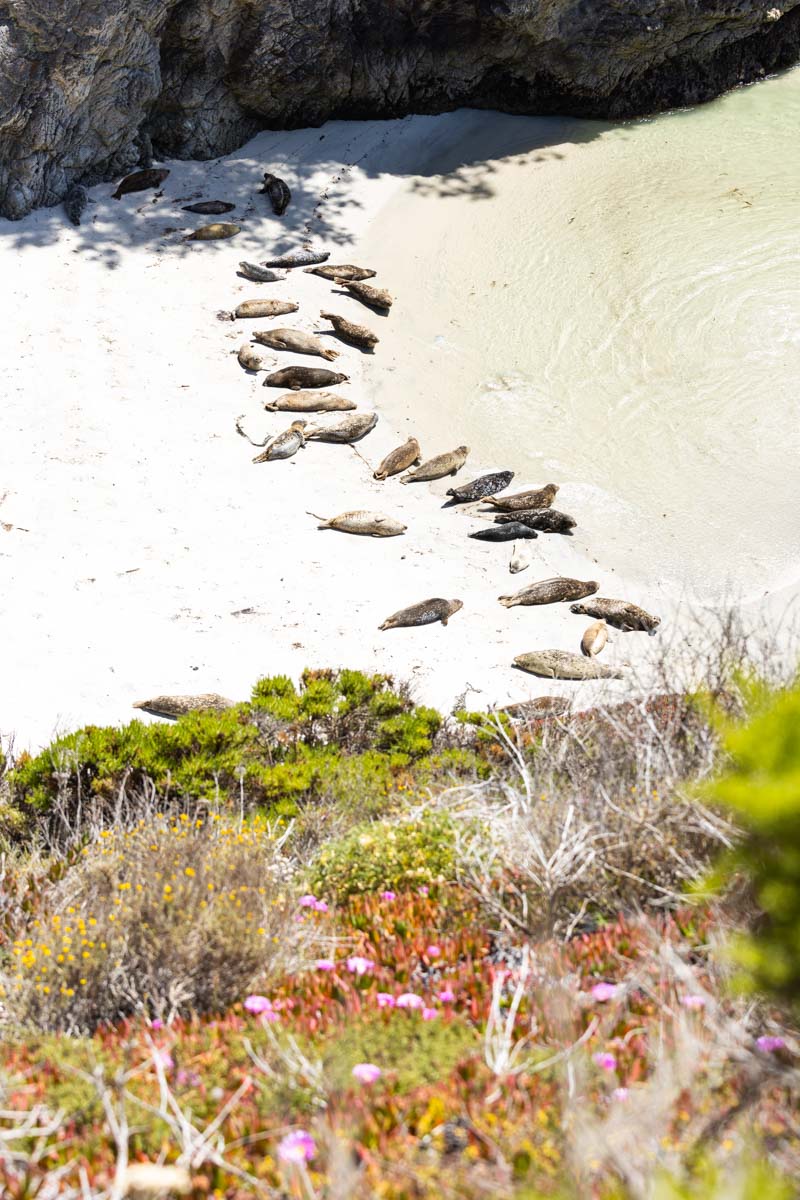
South of Carmel, Point Lobos State Natural Reserve is the kind of place where the wildlife shows up whether you do or not. Sea otters float on their backs in the kelp, harbor seals haul out on the rocks, and sea lions argue with each other just offshore — all visible from the reserve’s easy bluff-top trails.
Entrance runs $10 per car, or free if you walk or bike in. Get there early — the lot fills fast, and rangers close the gate once it does.
Skip the sea lion boat tours down the coast. This is the better version, and it’s already included in the price of parking.
Washington: orcas from a lighthouse bluff
On the west side of San Juan Island, Lime Kiln Point sits on a rocky shelf above Haro Strait, where the water runs deep enough close to shore that orcas pass within view of the old lighthouse. Southern Resident orcas are most reliable from May through September, and June and July are the strongest stretch — which puts right now squarely in the good part of the calendar.
Bring a folding chair, get low on the rocks, and wait. There’s a hydrophone near the lighthouse too, so you can listen for the whales before you ever spot a fin.
Parking requires a Washington Discover Pass — $10 for the day, $30 for the year. Once you’re out there, the rest of the San Juans are worth the extra day; Washington Is for Adventure has the full rundown.
Trip tips: grab a rental car to string all three states together this summer, lock in your hotel before rooms disappear, or skip both and book a camper van instead.
Rules and fees change — always confirm current requirements before you go.