USA National Parks: Why These Treasures DESERVE Protection

America’s national parks are some of our most cherished public lands, offering vast wilderness, breathtaking landscapes, and irreplaceable ecosystems.
The West Coast is home to some of the most famous national parks in the world, from Yosemite’s granite cliffs to the towering redwoods of California and the rugged coastlines of Olympic National Park.
But these places aren’t just beautiful backdrops—they’re critical for wildlife, outdoor recreation, and even local economies. With recent policy shifts and funding cuts threatening their future, it’s more important than ever to recognize their value and fight for their protection.
1. National Parks Are America’s Best Idea for a Reason

The concept of national parks was born in the U.S., and the West Coast is home to some of the first and most famous. Yosemite, Sequoia, and Mount Rainier were among the earliest designated parks, protecting landscapes that otherwise could have been logged, mined, or developed.
📍 GET THE ULTIMATE PNW MAP 🗺️
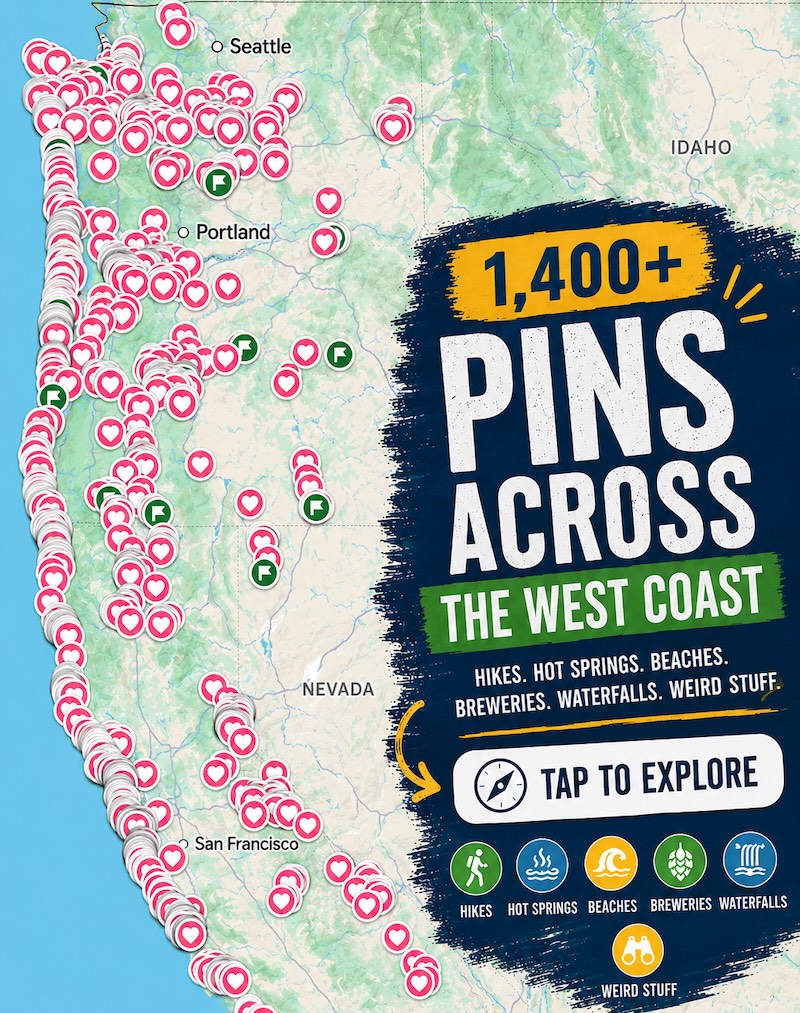
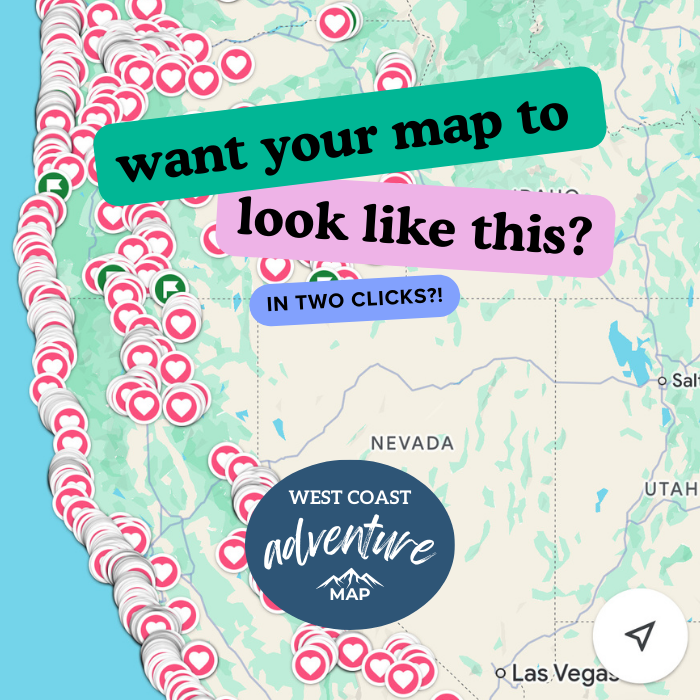
Get our curated list of the best adventures, things to do, and places to grab a brew loaded onto your maps with just two clicks!
✅ Waterfalls ✅ Hikes ✅ Viewpoints
✅ Craft breweries ✅ National Parks ✅ 1400+ Pins

These parks set a global precedent, inspiring countries worldwide to preserve their own natural wonders. Today, national parks provide millions of people with access to nature, something that is becoming increasingly rare. Losing funding or weakening protections would mean future generations might not get to experience these places as we do today.
2. They Protect Some of the Most Unique Ecosystems on the Planet

From Olympic’s rare temperate rainforest to Joshua Tree’s surreal desert landscapes, the West Coast’s national parks preserve ecosystems that don’t exist anywhere else. These parks serve as essential refuges for wildlife, including endangered species like the California condor, northern spotted owl, and Pacific fisher.
Without proper funding, invasive species, habitat destruction, and climate-related threats could accelerate, pushing some of these species closer to extinction. These parks aren’t just pretty places—they are functioning ecosystems that keep biodiversity alive.
3. They Fuel Local Economies and Jobs

National parks aren’t just for hikers and campers—they are economic powerhouses. In 2023, visitors to California, Oregon, and Washington’s national parks contributed billions to local businesses. Towns near parks rely on tourism for jobs, from park rangers and guides to small business owners who run lodges, restaurants, and gear shops.
Cutting resources for these parks doesn’t just hurt the environment; it hurts thousands of people who depend on them for their livelihood. If funding and protections are weakened, tourism will decline, and so will the small businesses that rely on it.
4. Public Lands Are Not Just for Profit
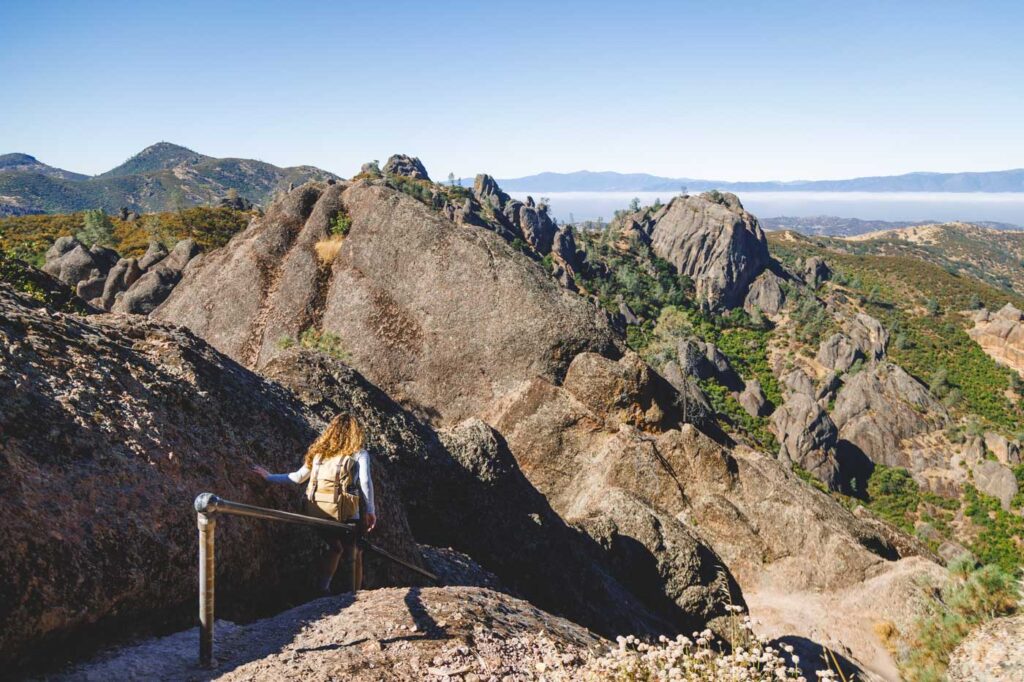
There’s a push to open more public lands to oil drilling, mining, and logging, including areas near or within some national parks. While natural resource extraction might generate short-term profits, it often leaves lasting damage in the form of pollution, deforestation, and disrupted ecosystems.
Once these places are altered, they don’t recover overnight.
5. Wildfires and Climate Change Make Parks More Important Than Ever

The West Coast has been hit hard by wildfires, drought, and rising temperatures, and national parks are at the front lines of these challenges. Forests in Sequoia and Kings Canyon National Parks have already lost thousands of giant sequoias to fire, trees that have stood for over 2,000 years.
As climate change worsens, these parks serve as critical research sites to help us understand and combat environmental shifts. They also act as natural climate regulators, storing carbon and preserving clean water sources. Protecting them isn’t just about recreation—it’s about preserving the planet’s ability to sustain life.
6. What You Can Do to Help
Protecting national parks isn’t just up to lawmakers—it’s up to all of us. Here are a few ways you can help:

- Stay informed: Groups like the National Parks Conservation Association (NPCA) (npca.org) track policy changes and advocate for public lands.
- Support national parks: Visit parks, pay entrance fees, and buy from local businesses that depend on them.
- Speak up: Contact representatives and voice support for conservation policies.
- Donate or volunteer: Organizations like the National Park Foundation (nationalparks.org) fund critical projects that keep parks thriving.
National parks belong to everyone, and it’s up to us to make sure they stay protected. The West Coast’s natural beauty isn’t just a backdrop for adventure—it’s a legacy worth fighting for.