West Coast Places That Are Now COOKED (It’s HOT Over Here!)
Is it hot in here, or is it just us? Oh, wait, it’s all of us on the West Coast! Stay cool out there, guys! It’s HOT HOT HOT in these spots…
Santa Monica & Westside LA, CA
“June gloom” isn’t the shield it used to be. Late-summer ridging plus reflective hardscape turns the Westside into a shallow heat bowl: fewer onshore breezes, longer warm spells, and a noticeable uptick in 90°F+ spikes, especially away from the immediate sand. Nights stay sticky because dense blocks and low-to-mid tree canopy trap radiated heat.
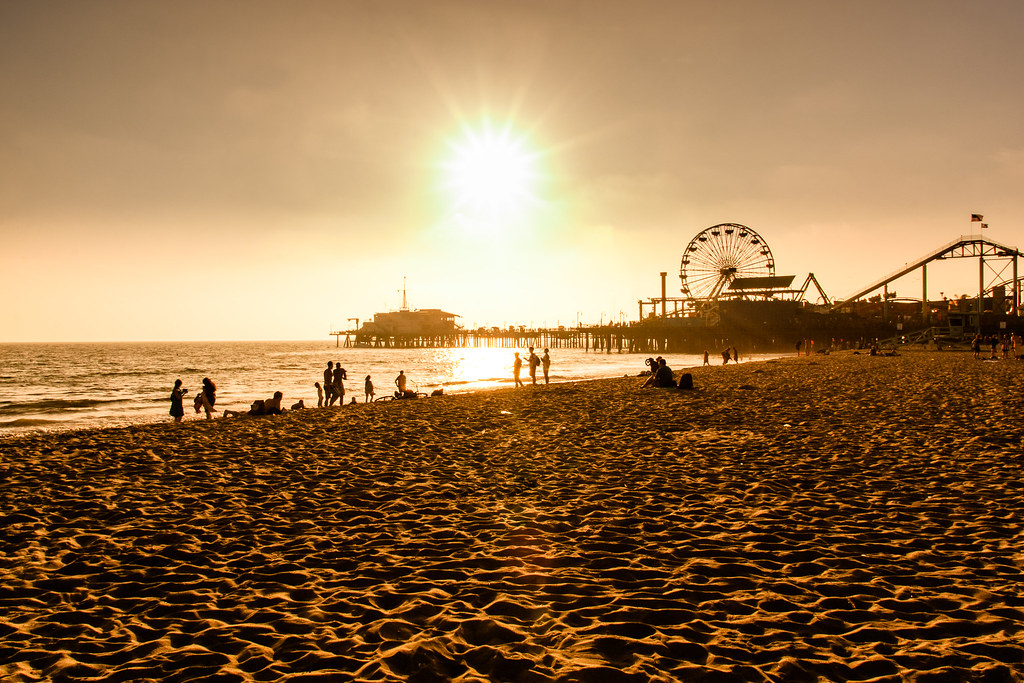
Why it bites: older apartments with little insulation, scant ceiling fans, and historically low A/C adoption (“you don’t need it at the beach”—until you do). West-facing façades bake from 3–7 p.m.; alleys radiate after dark.
Beat the heat: awning shade on west windows, canvas sails over patios, and portable heat pumps that pull double duty (A/C now, heater in January). Street trees matter—native, drought-tough species along sun corridors can shave degrees off evening temps.
📍 GET THE ULTIMATE PNW MAP 🗺️
Get our curated list of the best adventures, things to do, and places to grab a brew loaded onto your maps with just two clicks!
✅ Waterfalls ✅ Hikes ✅ Viewpoints
✅ Craft breweries ✅ National Parks ✅ 1400+ Pins


Long Beach & Belmont Shore, CA
Marina breezes help…until they don’t. Long Beach’s waterfront neighborhoods stack asphalt, roofs, and ship-channel heat into a classic urban heat island that now pushes mid–high 80s into 90s more often. The kicker is warm nights—water retains heat and concrete returns it, so sleep windows shrink.
Canopy is patchy by block; wide avenues with few mature trees run hotter and keep it. Historically lower A/C adoption along the shore means fans and ice packs still do the heavy lifting. On extreme days, even ocean-facing units see indoor temps climb across the afternoon and not fully release before midnight.
Beat the heat: shade cloth on balconies, reflective film on west glass, and evening errands after the asphalt stops shimmering. Push for street-tree infill on treeless corridors; those canopy gaps are where your sweat lives.

Oxnard–Camarillo & Ventura Plain, CA
This stretch used to be a fog-swept sweet spot. Now, late-summer Santa Ana–adjacent warmth and fewer all-day stratus decks bring more 90°F flirtations, plus warmer evenings that confuse anyone used to “throw the windows open” nights. Agricultural flats = low tree canopy, big sun fetch, and wide pavements that store heat.
Housing stock skews single-story stucco with minimal eaves, which bakes façades at low sun angles. A/C adoption is rising from a low base, but many rentals still rely on fans. Warm spells also couple with wildfire smoke some years, making window ventilation a dicey call.
Beat the heat: exterior shade (sails, pergolas), attic insulation, and reversible heat-pump minisplits for apartments that can’t host condensers on roofs. Afternoon errands? Go coastal: sea-breeze microzones near the harbor can be several degrees cooler.
Santa Barbara & Goleta, CA
The Sundowner wind is the headline, but background warming means even non-windy weeks now tally more hot afternoons and stubbornly warm nights in the flats. The urban heat island here is subtle—tile roofs and light stucco help—but narrower shade trees on some corridors and canyon outflow after 4 p.m. can push real-feel temps.
Students in older stock and garden apartments often lack A/C; adoption remains low in pre-2000 buildings, so all-night fans and box-window hacks are common. Canopy varies: mesquite/plane-lined streets feel sane; bare ones radiate into midnight.
Beat the heat: plant deciduous shade on south/west sides, prioritize cross-ventilation paths, and use heat-pump window units that don’t require major HOA approvals. Evening walks? Choose creek corridors and the bluffs—cool pockets are real.

Morro Bay & San Luis Obispo, CA
Fog still shows up, but ridging periods yank it offshore, and the SLO valley funnels heat toward town while Morro’s lee pockets hold warmth at dusk. Result: more occasional 90°F days inland of the immediate strand and warmer evenings that linger. Low-slung neighborhoods with modest tree canopy feel the swing most.
A/C is still a neighborhood debate—many homes rely on fans and cross-breeze, which falter on still, warm nights. University schedules also keep apartments occupied through the hottest shoulder weeks, extending demand for cooling beyond “peak tourist” season.
Beat the heat: window films on west glass, thermal curtains, and portable heat-pump units in rentals. For microclimate relief, head to the windward side of the dunes or the Embarcadero when the valley bakes.
Santa Cruz & Capitola, CA
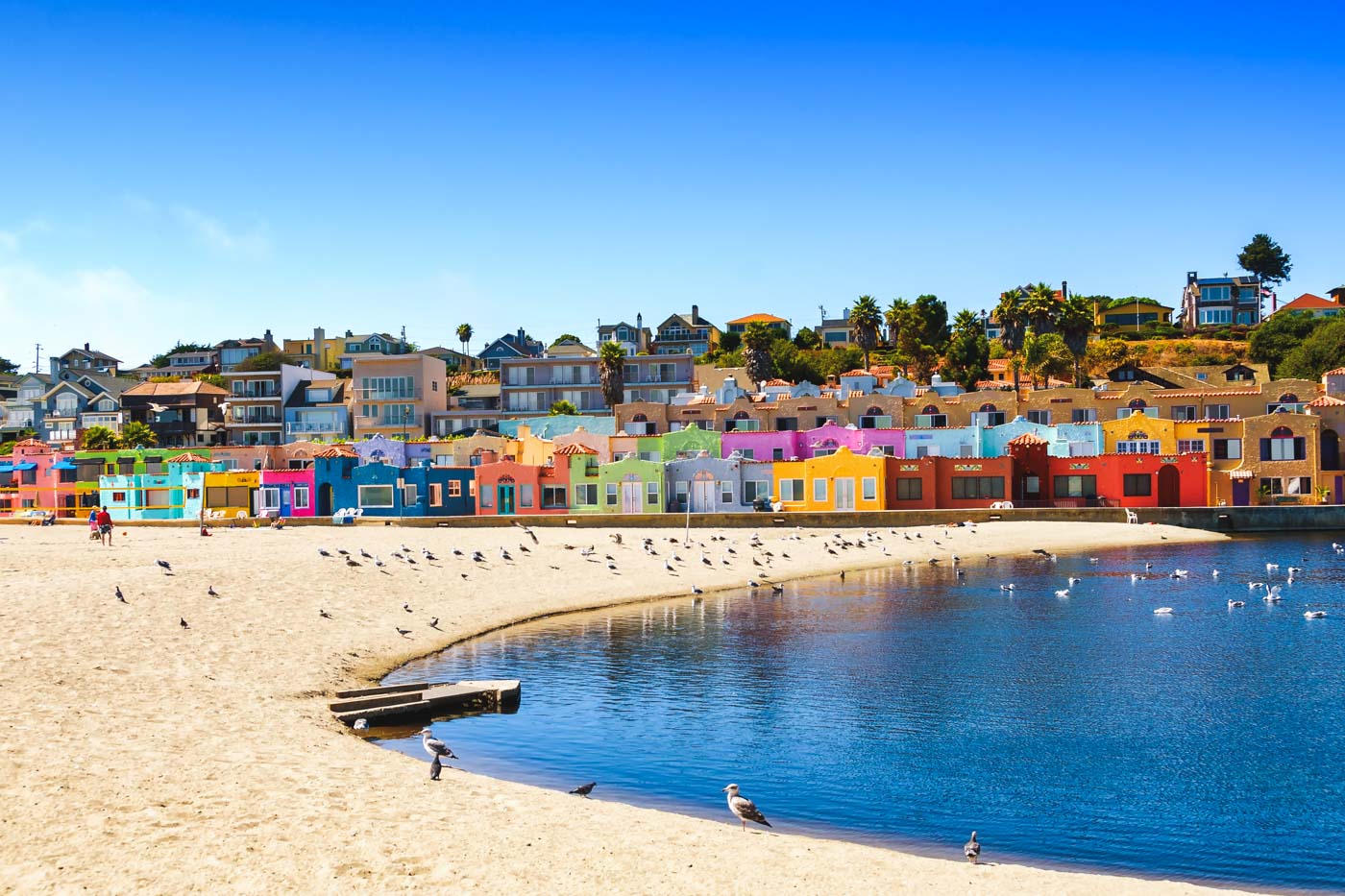
Bay-cooled, yes—but less guaranteed. Summer highs creep upward more often, and nighttime minima are noticeably higher on still nights. Downtown blocks with slim canopy radiate well past sunset, and second-story flats over shops soak afternoon sun.
A/C adoption is very low in older cottages and beach bungalows, so heat waves quickly turn into sleep-loss weeks. Inland a mile or two, freeway-adjacent pavement magnifies the effect. The payoff for fog days is shrinking; clear, warm spells now feel longer and stickier.
Beat the heat: shade sails in courtyards, cool-roof coatings on garages, and fan + ice-bottle “poor man’s swamp cooler” hacks as a stopgap. Even better: compact heat pumps; they’re legal in most rentals and beat box fans by a mile.

Half Moon Bay & Pacifica, CA
The “perma-fog” myth keeps landlords from installing A/C—and most years you barely need it—but heat spikes are now more frequent, and warm nights make sleep tough in inland-facing blocks. Steep hills in Pacifica reflect and hold heat in pockets; Half Moon Bay’s inland neighborhoods feel hotter on offshore wind days when marine air retreats.
Canopy is moderate in older tracts and sparse in newer ones. Pavement-heavy corridors near shopping centers radiate into the evening. With historically low A/C adoption, residents lean hard on cross-breeze; if winds die, interiors lag for hours.
Beat the heat: plant shade (coastal-tolerant species), add insulated blinds, and consider a small heat-pump unit for bedrooms. On spike days, bluff paths and immediate shoreline can be dramatically cooler—microclimate hop like a local.
Monterey, Seaside & Marina, CA
Cool-coast branding, warming reality. More 80s-into-90s pop-ups inland of the bay curve, plus elevated night temps during still periods. Sand and pavement retain solar gain; apartments with small eaves and big west windows roast from 2–6 p.m.
Canopy improves in older districts but falls off near the dunes and big-box corridors. A/C adoption stays low outside newer complexes, which means fans fight a losing battle on back-to-back warm days. Sea breeze still helps—but when gradients slack, warmth pools in the flats.
Beat the heat: external shade (sails over patios), reflective blinds, and bedroom-scale heat pumps. Midday refuge = the wharf and windward dunes; evenings cool faster on the direct-breeze side of the peninsula.

Oceanside & Carlsbad, CA
North County built on the promise of “ocean-cooled.” Now, late-summer ridging plus built-out hardscape spark more hot afternoons and milder nights that don’t reset homes. Inland a mile? Expect more 90°F flirtations than the baseline.
Canopy varies widely—newer subdivisions run sparse. A/C adoption is rising fast from a low base; many 80s–90s homes are retrofitting mini-splits room by room. Beach blocks still win by a few degrees, but quiet, warm nights can make upstairs bedrooms rough without real cooling.
Beat the heat: shade west glass, upgrade attic insulation, and stairstep into heat pumps instead of window shakers. Microclimate hack: coastal lagoons push cooler air inland by dusk—walk/bike those corridors when the cul-de-sacs bake.
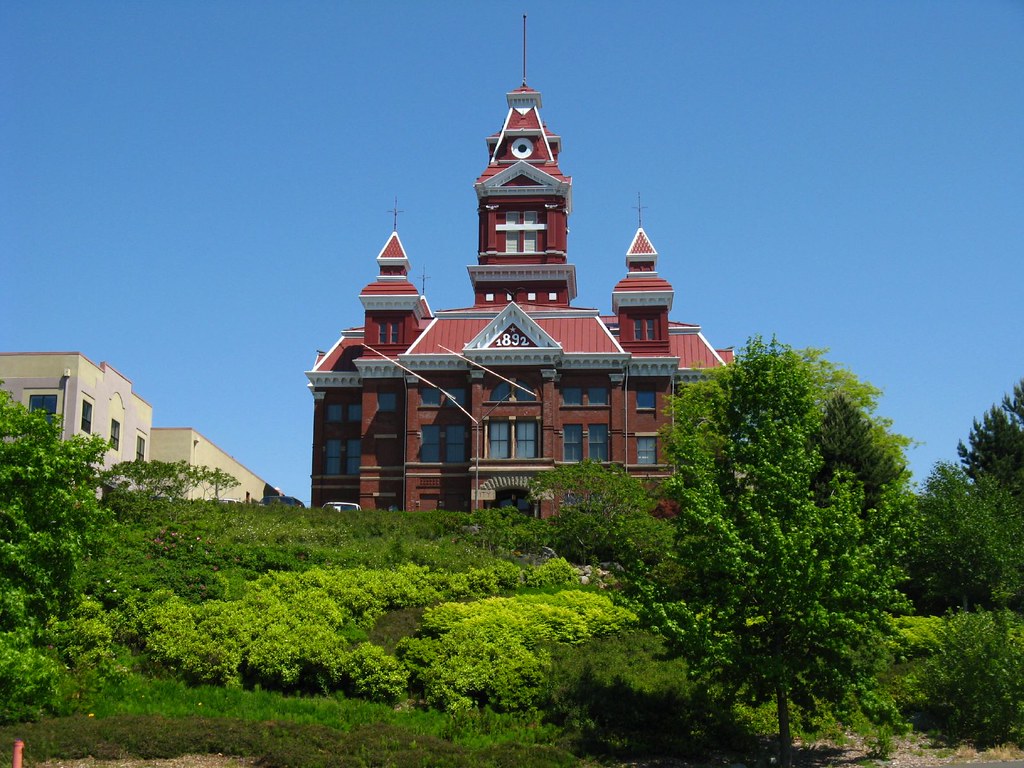
Bellingham Waterfront & Fairhaven, WA
“Canada breeze” isn’t a guarantee. Longer warm spells now push waterfront neighborhoods into stubborn evening warmth, especially when the bay goes calm. Brick and older wood buildings hold heat; tree canopy is decent in pockets, sparse near the working harbor.
A/C adoption remains low in century homes and view apartments; portable units proliferate during spikes. Heat waves often pair with wildfire smoke, complicating the “open windows” move at night. Inland neighborhoods with more trees sometimes cool faster than the waterfront lofts.
Beat the heat: window films, insulated shades, and portable heat pumps that let you close windows against smoke. Waterfront boardwalks and the bay trail give real relief—there’s usually a hint of breeze even on quiet nights.
Port Angeles & Sequim, WA
The rain shadow is a double-edged sword: more blue-sky days…that also run warm. Lately, those stretches extend, and nighttime lows sit higher. Sequim’s flats and Port Angeles’s waterfront hardscape store and re-radiate heat, raising the urban heat island effect compared to surrounding forest.
Trees help on older streets; newer pockets can be bare. A/C adoption is catching up from very low—many households are just now adding mini-splits after recent heat events. On smoke-tinged heat days, windows-closed nights make bedrooms struggle without real cooling.
Beat the heat: plant—and water—street trees, use exterior shading, and prioritize heat pumps over resistive heaters (you’ll save winter bills too). Evening relief is real along the strait; lean on the waterfront paths when the town core holds warmth.
Astoria–Warrenton, OR
River + ocean used to mean automatic cool. Now, calm high-pressure spells bring mid-80s into 90s that linger—and warmer nights as water and brick return stored heat. Sloped neighborhoods radiate downslope after sunset; canopy is good in places, thin near the riverfront and big lots.
A/C adoption remains low in historic homes; portable units sprout during hot weeks, but upstairs bedrooms cook without shade. Heat waves often coincide with smoky skies from upriver, making window ventilation tricky.
Beat the heat: reflective blinds, attic ventilation, and trees on western exposures. For real-time relief, the riverwalk and high bluffs catch breeze before dense blocks do—microclimate hop and sleep better.
Coastal Heat-Playbook (Clip This)
- Chase breeze corridors. Bay/lagoon mouths and bluffs cool first; cul-de-sacs and inland flats lag.
- Shade west & south. Exterior shade (sails, awnings, vines) beats interior curtains.
- Upgrade smart. A compact heat pump cools now and heats efficiently in winter—perfect for coastal rentals/condos.
- Plant canopy. Street trees lower night temps; pick drought-tolerant species with big crowns.
- Sleep strategy. Pre-cool bedrooms before dusk, then seal. If it’s smoky, run a HEPA filter with your A/C.
Method note: Picks emphasize places showing growth in hot-day counts and warmer nights against the 1991–2020 baseline, compounded by low historical A/C adoption and canopy gaps. Year-to-year numbers vary; the direction of travel is the headline.