Tap-Water Red Flags: West Coast Spots With the Most Health Violations

Water is an essential for life, but unfortunately, these spots aren’t cutting it anymore. They have the most water health violations!
Tulare County Cluster, CA (Tooleville, East Orosi, Sultana & nearby mutuals)
Why it flags: Small groundwater-reliant systems on the valley floor with chronic nitrate and sporadic arsenic or DBP (disinfection byproducts) exceedances. Multiple tiny water companies = thin staffing and aging pipes.
What residents see: Intermittent “do not drink” or “do not use for infants” notices, bottled-water pickups during longer runs, and taste/odor swings after line fixes.
Fixes underway: Consolidations into larger neighbors, new wells/blending, and point-of-use treatment programs bridge the gap. Progress is real, but duration-weighted violations keep this area high on the red-flag list.
Eastern Kern & South Valley Fringe, CA (Lamont, Weedpatch, Arvin area)
Why it flags: Arsenic and nitrate show up in shallow ag-adjacent aquifers; some systems also struggle with TTHMs/HAA5 (byproducts) when boosting chlorine for safety.
What residents see: Seasonal notices, bill inserts, and rate debates when treatment plants or interties are proposed.
Fixes underway: New treatment trains, wellhead arsenic removal, and pipeline connections to stabler sources. Violations have shortened, but the recurrence pattern keeps this region on watchlists.
Salinas Valley “Small Systems” Belt, CA (San Lucas, San Ardo, rural mutuals)
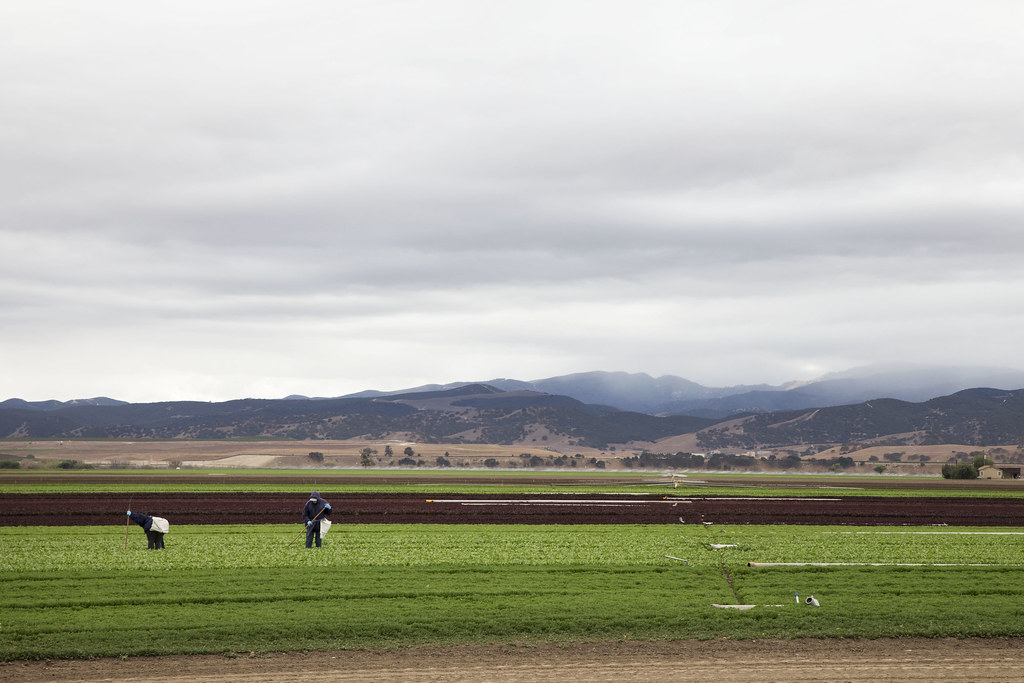
Why it flags: Longstanding nitrate pressure from legacy fertilizer and septic impacts; occasional DBP bumps in summer.
What residents see: Advisories targeting infants/pregnant people, bottled-water distributions, and town-hall boards covered in testing schedules.
Fixes underway: Source protection plans, well replacement, and regional blending pipelines. Some systems have cleared violations; others still ride close to the line when aquifer levels drop.
📍 GET THE ULTIMATE PNW MAP 🗺️
Get our curated list of the best adventures, things to do, and places to grab a brew loaded onto your maps with just two clicks!
✅ Waterfalls ✅ Hikes ✅ Viewpoints
✅ Craft breweries ✅ National Parks ✅ 1400+ Pins

Coachella Valley Mobile-Home Park/Trailer Systems, CA (Thermal/Oasis corridor)
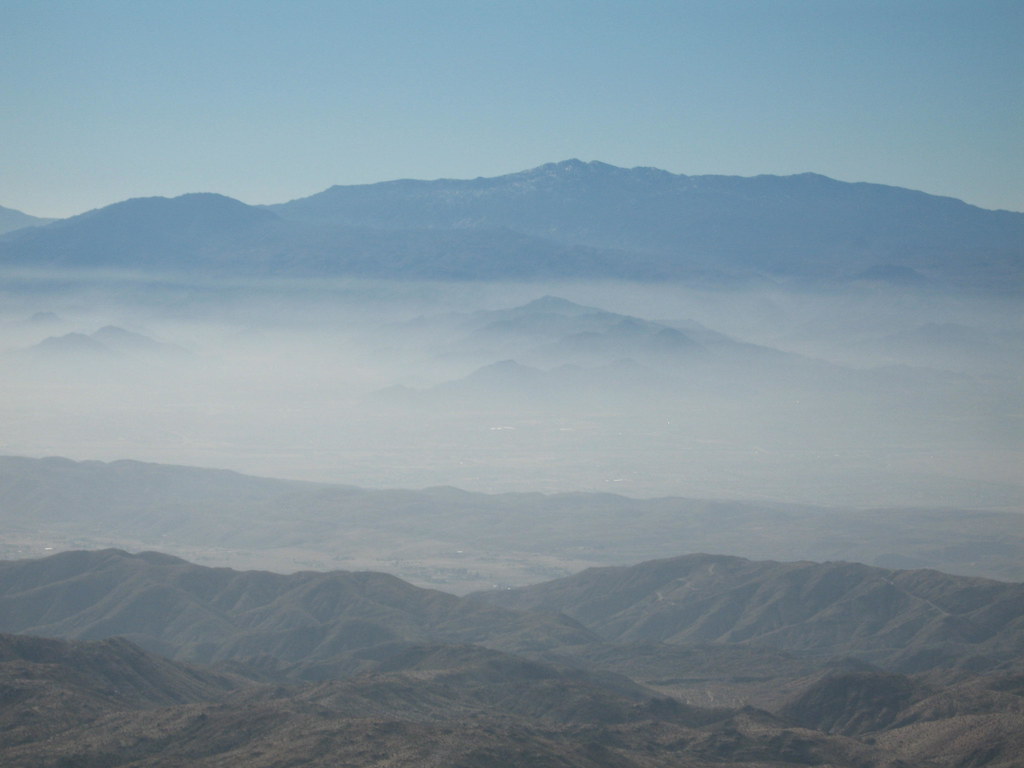
Why it flags: Patchwork of small private/community systems with arsenic exceedances and infrastructure gaps.
What residents see: Door-hanger notices, inconsistent pressure or outages during hot-season demand, and reliance on store-bought water for drinking.
Fixes underway: County/state interventions, hookups to municipal systems, and interim point-of-use filters. Progress varies park-by-park.
Madera–Chowchilla Flats, CA (rural mutuals & small CSDs)
Why it flags: Nitrate and occasional arsenic in shallow wells; drought years push concentrations up.
What residents see: Conservative cooking/drinking rules during notices, and community fridges for bottled water at churches/schools.
Fixes underway: Deeper municipal wells, consolidation projects, and GAC/ion-exchange installs where chemistry pencils out.
Airway Heights, WA (Spokane County)
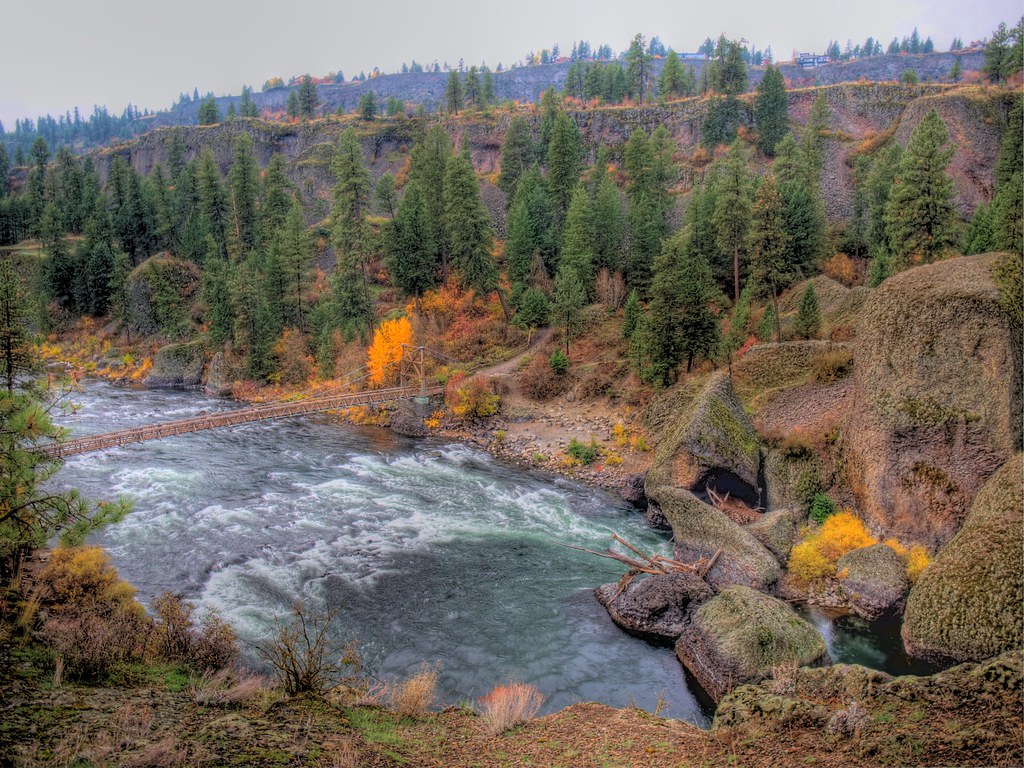
Why it flags: A headline PFAS episode (legacy AFFF foams) led to “do not drink” orders and a long remediation arc. Not every reading is a violation today, but duration and intensity keep it on this list.
What residents see: Permanent treatment now online in many zones, bottled water in earlier phases, and ongoing monitoring with public dashboards.
Fixes underway: Granular activated carbon treatment, new production wells, and source-control at the contaminant origin. Trend: improved, but vigilance stays high.
Lower Yakima Valley, WA (Sunnyside/Granger/Mabton area small systems)
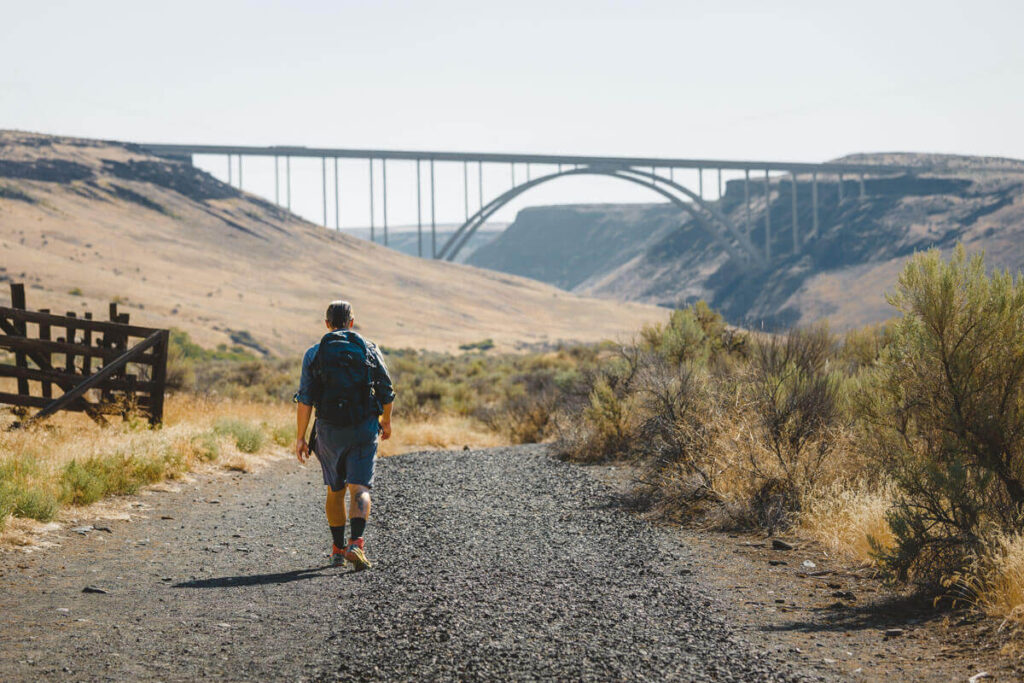
Why it flags: Rural systems with nitrate pressure from manure management and septic density; occasional total coliform hits in small networks.
What residents see: Notices specific to vulnerable groups, flush advisories after main repairs, and heavy outreach from health districts.
Fixes underway: Source water protections, deeper wells, and consolidation into larger cities to stabilize operations.
Warm Springs Reservation, OR (Jefferson County)
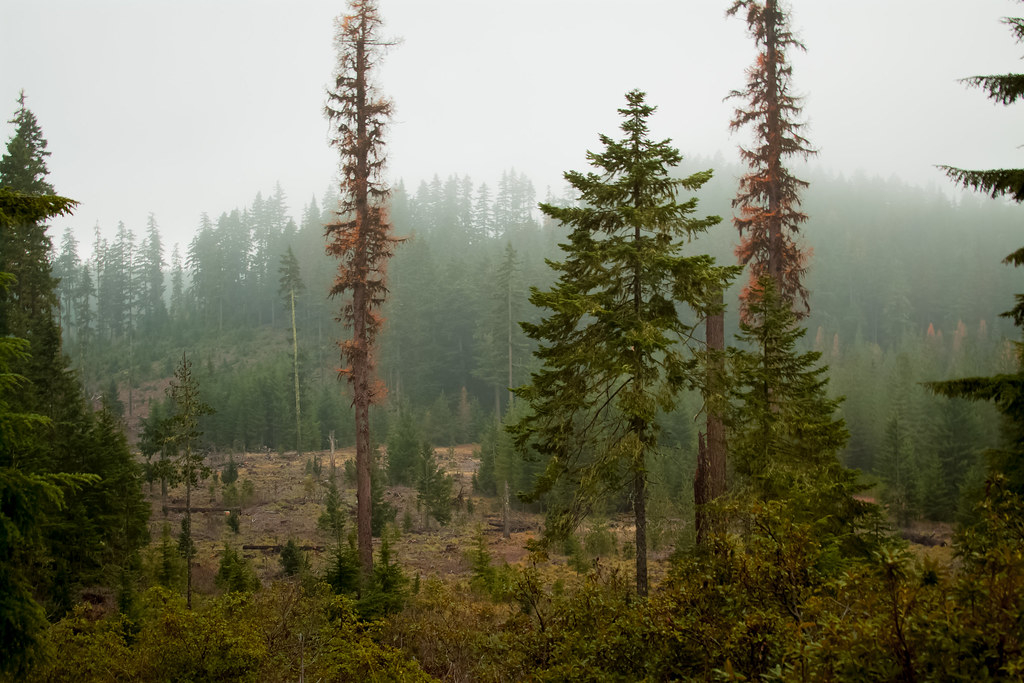
Why it flags: Repeated treatment disruptions and boil-water events historically tied to raw-water quality swings and aging plant equipment. Some periods included health-based violations.
What residents see: Boil notices, emergency bottled water, and intermittent pressure drops after main breaks.
Fixes underway: Major plant rehab, new filtration capacity, backup power, and line replacements. Trend: fewer/shorter events as projects land.
Klamath Basin Small Systems, OR (Chiloquin–sprinkled rural mutuals)
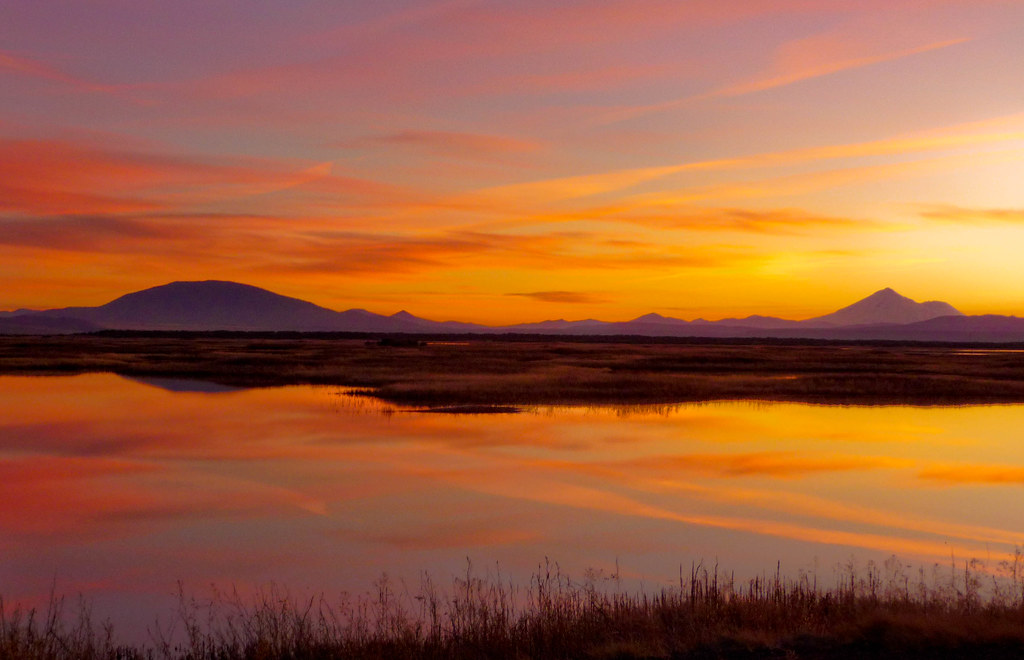
Why it flags: Arsenic in certain wells and DBP spikes in summer for small chlorinated systems.
What residents see: Seasonal notices by mail, taste/odor complaints when dosage is tweaked, and bottled-water pickup during out-of-compliance windows.
Fixes underway: Wellhead treatment, interties to municipal sources, and seasonal operating changes to keep byproducts below limits.
North Coast Pockets, CA (Humboldt/Mendocino small coastal systems)

Why it flags: Rain-driven turbidity overwhelms small surface-water plants; occasional coliform/LT2 issues and DBP exceedances after heavy chlorination.
What residents see: Short boil notices during atmospheric-river weeks, plus post-storm taste/odor swings.
Fixes underway: Plant upgrades (coagulation/filtration), storage expansions to avoid treatment at peak turbidity, and backup power for uninterrupted dosing.