Secret Season West Coast Beach Towns: Where October–April Is Prime Time

Peak beach season isn’t always peak experience. On the West Coast, the so-called off-season delivers cheaper rooms, moody skies, restaurants that finally have space, migrating whales, monarch butterflies, and the most dramatic surf of the year. Bring a wind layer, watch the tides, and let the shoulder months do their magic.
Cannon Beach, Oregon
Summer gets the postcards; shoulder season gets the atmosphere. Haystack Rock rises from a slate-blue sea, gulls knifes through mist, and the intertidal teems on minus-tide mornings without the July scrum. Lodging rates soften, fireplaces flick on, and you can actually hear yourself at dinner.
Storm cycles are the headline—watch plumes hammer the basalt from safe, signed access points, then duck into town for chowder and a warm-up. Photographers get softbox skies and clean sand between squalls. On calmer days, walk the long arc to Ecola viewpoints for layered headlands that look painted. Keep a respectful distance from surf logs and always keep an eye on the ocean—sneaker waves love a distracted beach stroll.

Yachats & Cape Perpetua, Oregon
Small town, big drama. From the bluff trail in Yachats, you’ll watch combers detonate on basalt and salt spray drift like snow. Up at Cape Perpetua, the overlook hands you a safe balcony view of Cook’s Chasm and the Spouting Horn when seas are flexy.
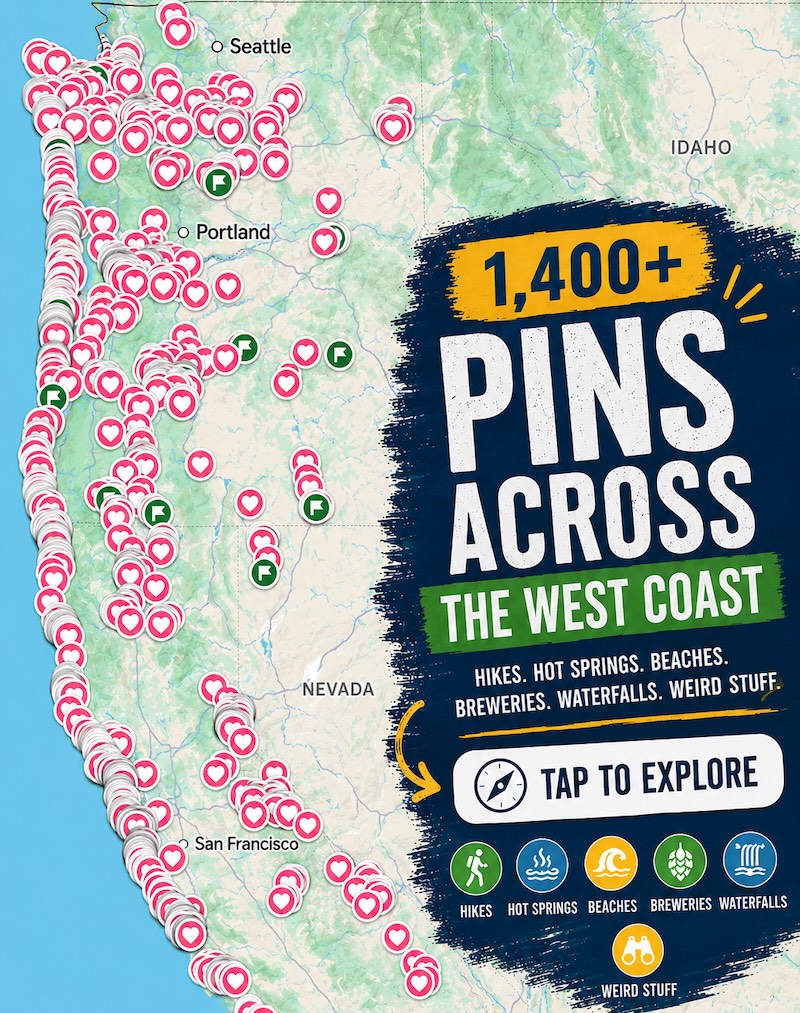
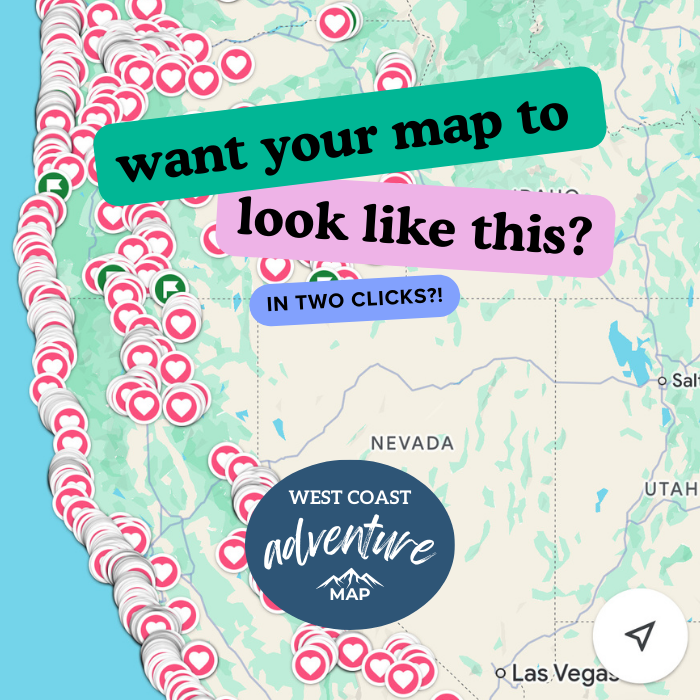
📍 GET THE ULTIMATE PNW MAP 🗺️
Get our curated list of the best adventures, things to do, and places to grab a brew loaded onto your maps with just two clicks!
✅ Waterfalls ✅ Hikes ✅ Viewpoints
✅ Craft breweries ✅ National Parks ✅ 1400+ Pins

Why shoulder season wins: cheaper oceanfront rooms, no parking wars, and restaurants that lean cozy. Whale spouts play peekaboo on migration windows; minus tides reveal tidepool cities between swells. Bring a hard shell, grippy shoes, and a thermos—you’ll be toggling in and out of weather like a pro. Skip cliff-edge temptations near famous chasms on storm days; the show is better from above anyway.
Bandon, Oregon
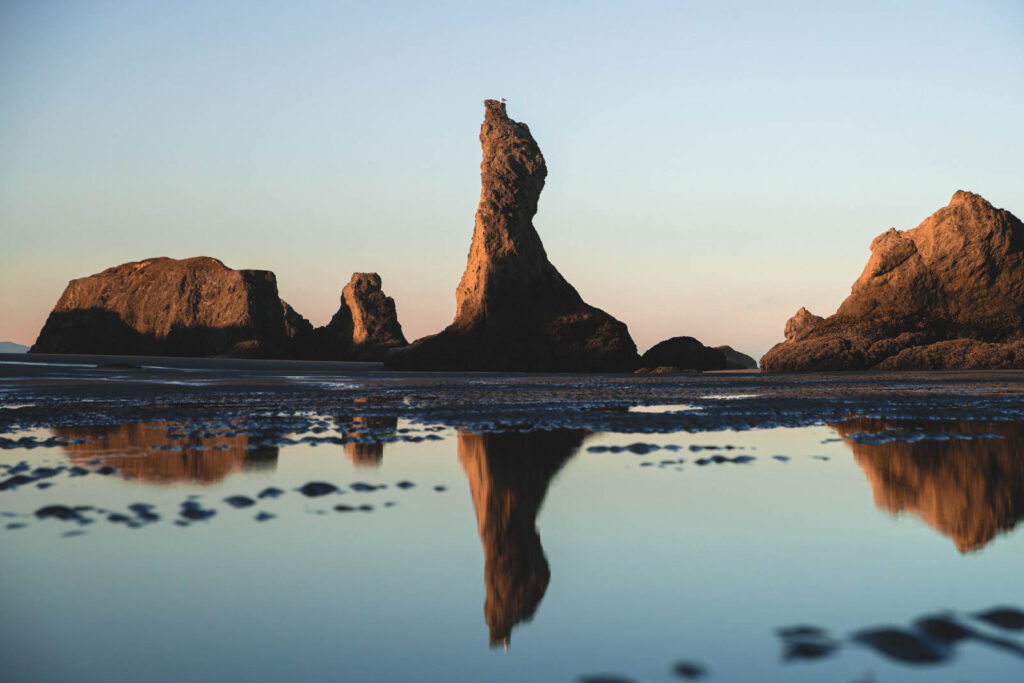
Bandon’s sea stacks are pure fantasy year-round, but moody months turn them into silhouettes in a personal art film. Walk Face Rock and Coquille Point trails between squalls, then warm up with bakery armor and a harbor stroll. Lodging deals pop; golf rates drop for hardy types.
Storm-watching is best from high ground—promenades and bluff-top pullouts. On calm, clear mornings, you’ll get tidepool windows and mirror sand that makes every photo look like a double exposure. The old town core stays lively without being crowded, and you can linger over dinner instead of waiting for a buzzer. Pack a lens cloth—salt mist is relentless—and treat drift logs like loaded springs, not benches.
Long Beach Peninsula (Ilwaco–Seaview–Long Beach), Washington
Twenty-plus miles of beach, a boardwalk over dunes, and twin headlands at Cape Disappointment for storm theater—this peninsula is built for shoulder-season wandering. Rates slide, the kite museum is blissfully uncrowded, and local spots slide back into their slower, friendlier pace.
Big draws: migrating gray whales passing the points, moody lighthouse vistas, and long beach walks where you’ll meet more sand dollars than people. When the ocean gets rowdy, stay up on the boardwalk and signed overlooks; when it calms, comb the wrack line for treasure. The wind here has opinions—hooded jacket, knit hat, and hot drinks are mandatory gear.
Westport, Washington
Working harbor, beach town soul. In off-season months, Westport trades summer bustle for a steady rhythm of storm watching, surfing, and razor clam digs on approved dates (check local postings). Room rates relax, and it’s easier to slide into a booth for fish and chips without a line out the door.
Walk the paved dune trail for easy wave-watching, or post up at the viewing towers for foam shows you can enjoy without sand in your teeth. On calm weekends, you can spot whales off the point; on squally days, gulls surf wind lines like fighter jets. Stay off jetty rocks when swell is up—enjoy from railings and platforms built for the show.

Port Townsend, Washington
A Victorian seaport that wears bad weather like a velvet coat. Brick storefronts glow, cafés go candle-lit, and Fort Worden’s bluff paths deliver huge, wind-clean views without the summer crush. Lodging and ferry stress both drop a notch; dinner reservations are suddenly humane.
Wildlife sneaks into the experience—sea lions bark under the piers, raptors work the edges of storm fronts, and the Strait shows off whitecaps and silvery calm in quick succession. Bring an umbrella for town and a hard shell for the fort; wander, warm up, repeat. Pro move: watch the sky from the fort’s batteries at blue hour, then slide into town for hot drinks.
Trinidad, California
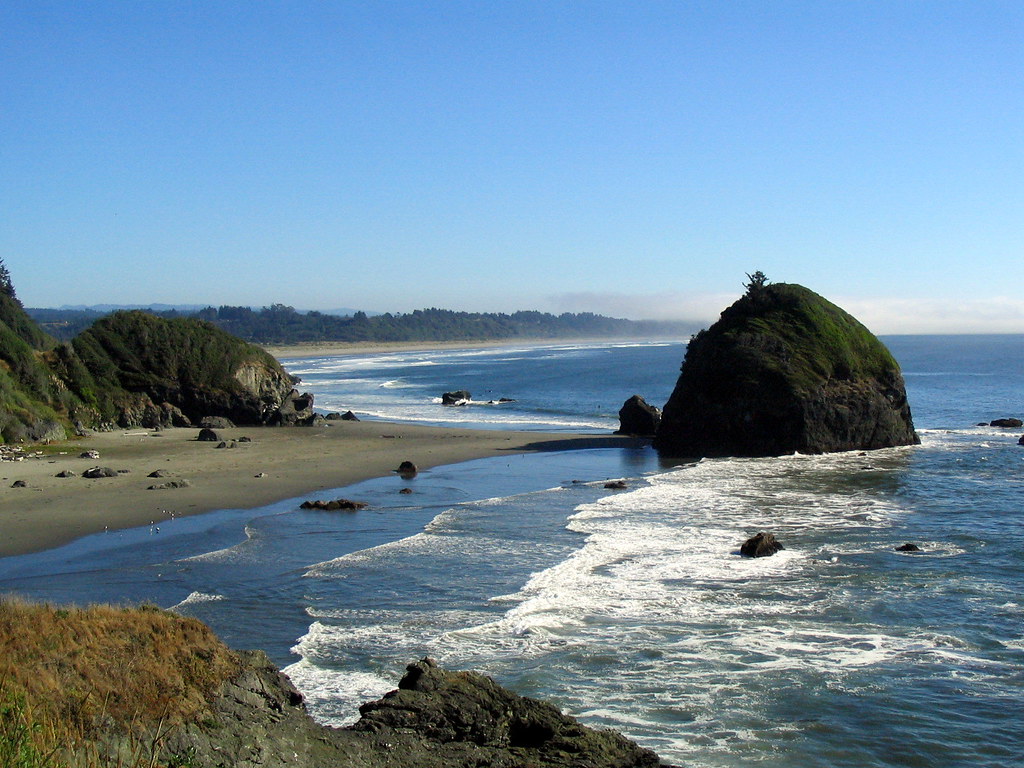
High bluffs, a tidy working pier, and a headland loop with 360-degree views: Trinidad is a shoulder-season stunner. Storm days turn the stacks into ink drawings; calm intervals bring whale spouts along migration lanes. Room prices ease, parking is simple, and you can claim a window seat where you actually linger.
Hit the loop trail around Trinidad Head between squalls for pelagic bird action and big surf you can watch from safe elevation. The cove paths and overlooks are perfect for “walk, warm up, walk” pacing. Bring layers—the wind can bite—but also sunglasses; the sky often cracks open after a front and the light goes cinematic.
Mendocino & Fort Bragg, California
This duo is practically designed for the off-season: cliff-top walks on the Mendocino Headlands, redwood shelter in Russian Gulch, and Pudding Creek Trestle strolls in Fort Bragg when the tide and light cooperate. Rates and crowds both dip; tasting rooms and pubs actually have chairs.
Storm shows are best from railing-protected lookouts—arches throb with whitewater, blowholes puff, and the whole coastline hums. Clear windows bring tidepool hunts and glassy mornings with zero wind. When you’re done playing outside, there’s a warm, wood-paneled seat waiting, which is half the point of this season.
Cambria & San Simeon, California
Central California’s sleeper sweet spot. Shoulder months deliver elephant seal drama at the rookery, bluff-top boardwalks with migrating whales offshore, and sunsets that stain the sky orange long after the last summer visitor drove home. Rooms are saner, restaurants unhurried, and storm days feel like a feature, not a bug.
Walk Moonstone Beach’s boardwalk between showers or head to signed overlooks near the rookery to watch seals from a safe distance. On calmer days, drive the short coastal stretch for empty pullouts and an ocean that feels bigger in the quieter months. Dress for wind; reward yourself with a bowl of something hot after the show.

Half Moon Bay, California
When swell stacks and fog plays peekaboo, Half Moon Bay turns into a moody masterclass. The coastal trail strings together beaches and bluffs where you can watch winter surf without dodging kite strings and summer beach crowds. Lodging deals appear; brunch lines evaporate.
You’re here for storm light, migrating whales, and tidepool windows on minus tides—plus the rare big-wave day that draws binoculars to the bluff (view from a distance, always). Walk from harbor to bluffs, layer up, and plan for a leisurely late lunch once fingers thaw. The coast feels local again in this window—lean in.
Pacific Grove & Monterey, California
Shoulder season is their prime. Monarch butterflies cluster in Pacific Grove’s groves; sea otters raft in kelp off Lovers Point and Cannery Row coves; gray whales pass the headlands. Rates are friendlier, sidewalks quieter, and you can actually hear the harbor seals over the wind.
Stroll the Monterey Bay Coastal Recreation Trail for easy miles with nonstop views. Between fronts, light turns glassy and the bay looks almost backlit; during storms, watch squall lines march across the canyon from high ground. Warm up with chowder and a harbor walk, then head back out for sunset—this is a two-coat town in the best way.

Why the “Secret Season” Wins (and How to Do It Right)
- Rates dip, crowds thin, and restaurants breathe—book midweek and ask about off-season specials.
- Storm shows and king tides = instant theater from high, safe viewpoints.
- Wildlife stacks: whales migrate, monarchs cluster, elephant seals pup, otters raft.
- Gear is the cheat code: hard shell, warm midlayer, hat, gloves, and waterproof shoes.
- Safety: read tide/swell charts, stay well back from logs and edges, and watch for sneaker waves—photos are better from behind rails anyway.
Shoulder season isn’t “less summer.” It’s a different coastal sport—slower, moodier, and (quietly) better.