9 Coastal Lighthouses You Can Actually Climb, Tour, or Sleep In

Want a coastal hit without a 10-mile hike? These nine lights deliver: some you can climb, others you can tour, a few you can even sleep in. Expect seasonal hours, volunteer docents, and wind that tries to snatch your hat. Shoulder seasons often mean fewer crowds, moody skies, and migrating whales—aka peak vibe.
Point Arena Lighthouse (Mendocino Coast, CA)
A wave-battered headland, a lean white tower, and the rare combo of tower tours + on-site lodging in keeper cottages. Inside, a compact museum sets the scene before you climb for 360° ocean views; outside, the headland turns storm days into theater.
Shoulder-season perk: fewer day-trippers and better odds of dramatic skies for your photos. Winds can howl—secure your cap and your camera strap. Overnighting here is the power move: wake up to foghorn mood and first light on the bluffs, then wander the grounds before gates get busy. (Tower tours and occasional night climbs run on set schedules; check what’s operating the week you go.)
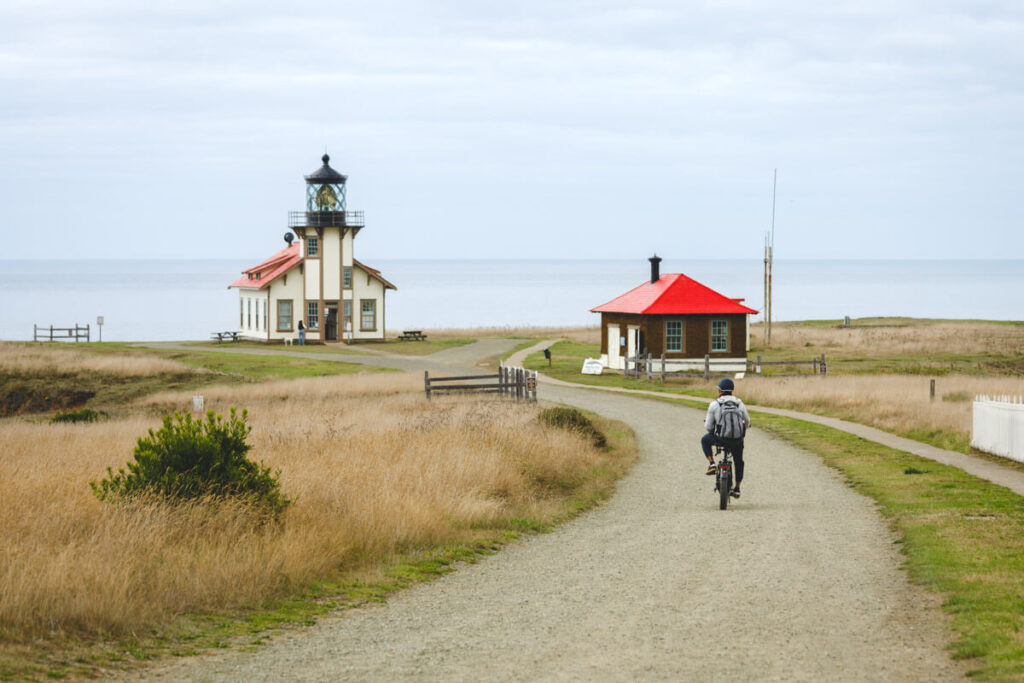
Point Cabrillo Light Station (Mendocino, CA)
A time-capsule light station on a wild, low bluff—plus vacation rentals in the historic keepers’ houses and cottages. Stroll the half-mile from parking through coastal prairie, tour the museum rooms, and time your visit for one of the volunteer-led lens room tours (limited dates).
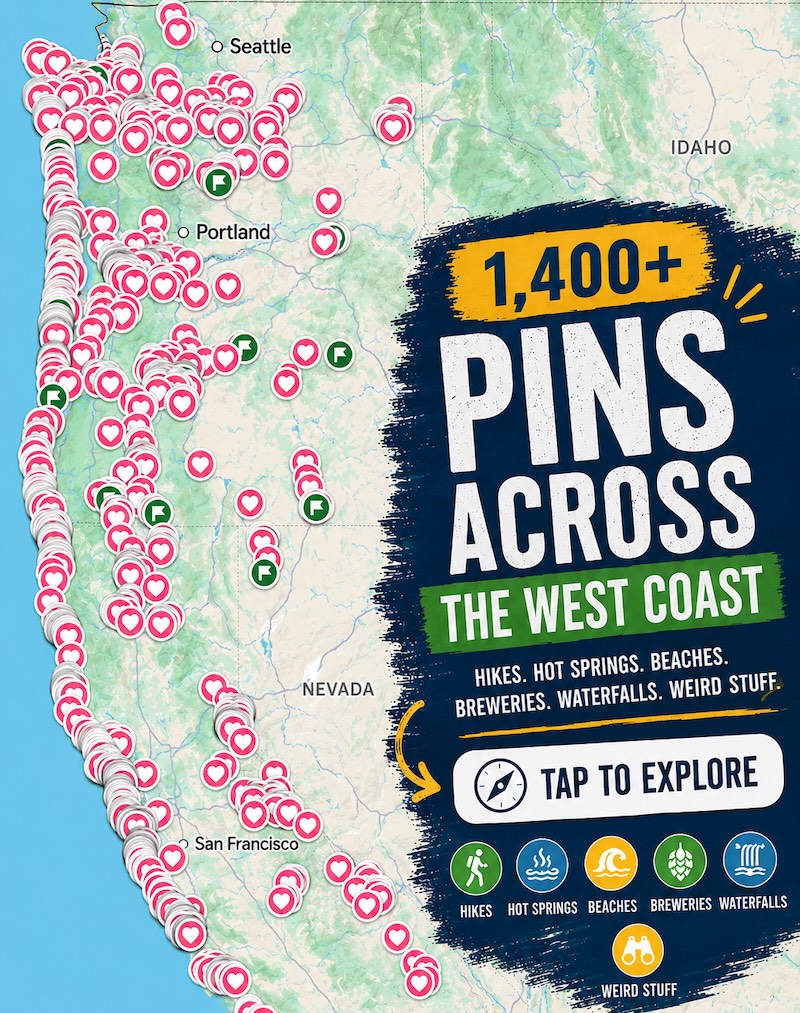
📍 GET THE ULTIMATE PNW MAP 🗺️
Get our curated list of the best adventures, things to do, and places to grab a brew loaded onto your maps with just two clicks!
✅ Waterfalls ✅ Hikes ✅ Viewpoints
✅ Craft breweries ✅ National Parks ✅ 1400+ Pins

Shoulder-season perk: glassier air and fewer crowds on the path, with storm drama rolling past the windows if you’re staying over. If wind kicks up, hunker at the rail and scan for migrating gray whales hugging the headlands. (Lens tours typically run specific weekends March–October; lodging is year-round but books fast.)
Pigeon Point Light Station (Pescadero, CA)
The 115-foot tower is undergoing a long restoration, so no tower climbs—but you can still wander the grounds, tour interpretive spaces when staffed, and sleep next door at the cliff-edge hostel. Sunset here is a masterclass in coastal light, and winter storm days turn the whole point into an IMAX.
Shoulder-season perk: migrating whales offshore, elephant seals nearby, and hostel common rooms full of road-trip stories. Expect construction activity around the tower during rehab windows; the hostel remains open and is one of the most atmospheric sleeps on the coast.
Point Reyes Lighthouse (Marin, CA)
This is a stair workout with a payoff: 300+ steps down a wind-hammered cliff to the lighthouse and visitor center (when open). On big-wind days the stairs may close, but the high observation deck still delivers whales, birds, and a horizon that goes forever.
Shoulder-season perk: winter brings peak whale watching and gothic weather; fall can be crystal-clear between fronts. Bring layers no matter the forecast—Point Reyes makes its own. (Stair access and hours fluctuate with weather and staffing; plan a flexible window and check the board at the lot.)

Yaquina Head Lighthouse (Newport, OR)
Oregon’s tallest lighthouse anchors a basalt headland with tidepools, seabirds, and black-cobble drama. Tours are limited and staffing-dependent while interior restoration continues—often ground-floor only. Even so, the interpretive center and overlooks make this an easy win, with whales cruising past in season.
Shoulder-season perk: winter’s storm light and high surf, viewed from safe, high platforms. If a minus tide aligns, do the tidepools first, then circle back for a lighthouse tour slot.
Heceta Head Lighthouse (near Yachats, OR)
Postcard-perfect on a cliff above a pocket beach, Heceta pairs keeper-house B&B stays with lighthouse access hours run by Oregon State Parks and volunteers. In summer, docents often open the ground floor and share the light’s backstory; in shoulder months, watch for trimmed hours but moodier skies.
Shoulder-season perk: storm watching from the keeper house lawn and fewer crowds on the short path up from the parking area. The beam still works the coast; bring a jacket—wind finds you here.

Umpqua River Lighthouse (Winchester Bay, OR)
A rarity: guided climbs into an active lighthouse with a jewel-box Fresnel lens. Docents lead timed tours most of the year, and the adjacent museum gives you the full history download. The headland sits over the dunes and the Pacific, so you get inland and ocean views in one stop.
Shoulder-season perk: easier tour slots and crisp, clear air after cold fronts. Bring a light layer—inside temps are steady, but the headland can be breezy.
North Head Lighthouse (Cape Disappointment, WA)
Newly refreshed and open for climbs in the main season, North Head perches over one of the Pacific’s moodiest corners. Trails thread the headlands to multiple viewpoints, and—best of all—you can stay overnight in the historic keepers’ residences inside the state park.
Shoulder-season perk: storm-watching from high ground and a good chance at dramatic sunsets between squalls. Note the tight parking and limited RV space near the light; plan to walk a short path from larger lots if it’s busy.
Grays Harbor Lighthouse (Westport, WA)
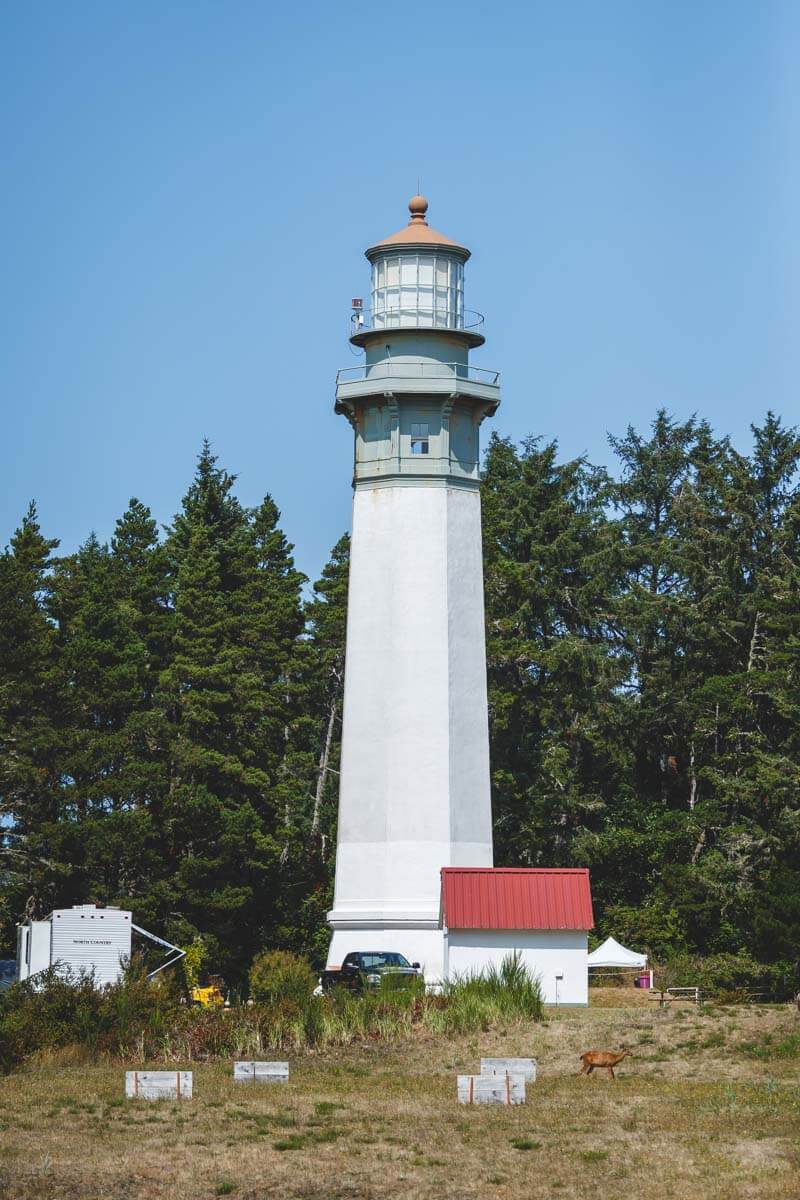
Washington’s tallest lighthouse invites you to climb the spiral to the lantern room on most open days, with volunteers narrating the engineering and shipwreck lore. The view takes in surf, working harbor, and dune country—perfect for a quick coastal detour.
Shoulder-season perk: smaller groups on the stairs and raptor flyovers on blustery days. Hours shift by month and are volunteer-dependent; if the door’s open, it’s one of the best bang-for-buck lighthouse experiences in the state.
Quick Tips (So You Don’t Miss the Good Stuff)
Tours and climbs are seasonal and staffing-dependent—aim for weekends spring–fall.
If you want to sleep at a light station, book months ahead (even in shoulder season).
Wind + stairs = two-hand rail rule. Closed-toe shoes beat flip-flops every single time.
Respect “no drone” zones and active wildlife areas. The photos are still fire from inside the rails.