The Orionids peak October 21 under a bright moon — here’s the trick that still works in Oregon, Washington, and California
Most meteor-shower advice this time of year says skip the Orionids and wait for something better. Fair, most years — but this year’s peak comes with a specific, plannable problem: an 80%-lit moon that doesn’t set until roughly 3 a.m. Skip the early evening and you’re not missing the show, you’re just watching it at the right hour.
The Orionids peak the night of October 21 into the morning of October 22, 2026. Under a genuinely dark sky and after that moon finally drops below the horizon, forecasters expect roughly 15 to 25 meteors an hour between 3 a.m. and dawn, radiating out from near the constellation Orion. Here’s where that after-moonset window is actually worth losing sleep over.
Psst — we made you a West Coast Adventure Map. Nearly 1,900 of our favorite spots, already pinned, ready to load into Google Maps in two clicks — grab it here.
📍 GET THE ULTIMATE PNW MAP 🗺️
Get our curated list of the best adventures, things to do, and places to grab a brew loaded onto your maps with just two clicks!
✅ Waterfalls ✅ Hikes ✅ Viewpoints
✅ Craft breweries ✅ National Parks ✅ 1400+ Pins

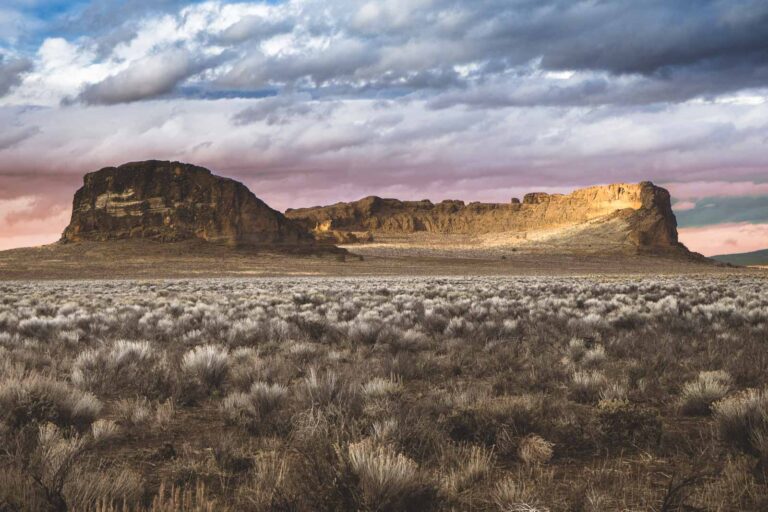
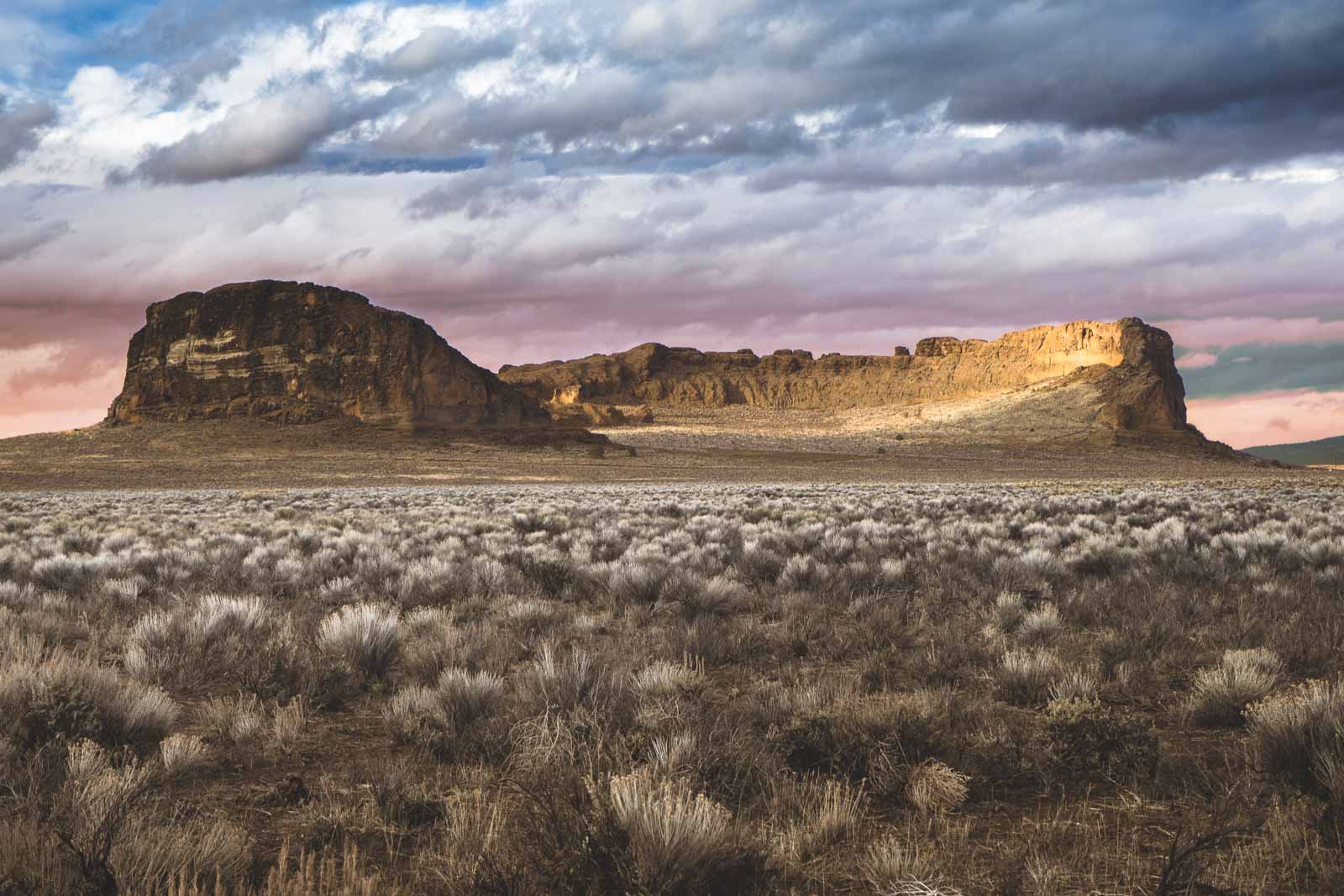
Oregon: Fort Rock, deep in the world’s largest dark sky sanctuary
Lake County’s high desert earned Oregon a real superlative in 2024, when DarkSky International certified the Oregon Outback as the largest International Dark Sky Sanctuary on the planet — roughly 2.5 million acres of sagebrush, alkali lakes, and next to zero artificial light. Fort Rock State Natural Area sits in that same stretch of high desert, and it’s the most straightforward way in if you’re driving from Bend.
Fort Rock closes to day visitors in the evening, but Oregon State Parks makes an exception built for exactly this: print the free Stargazing Permit from their website, leave it on your dashboard, and you’re covered to stay past closing. Lakeview and Paisley anchor the edges of the sanctuary if a real bed matters more than a sleeping bag, and it’s worth fueling up before you head out — both gas stations and cell service thin out fast once you’re in the Outback.
Washington: Sun Lakes–Dry Falls, camp right at the rim
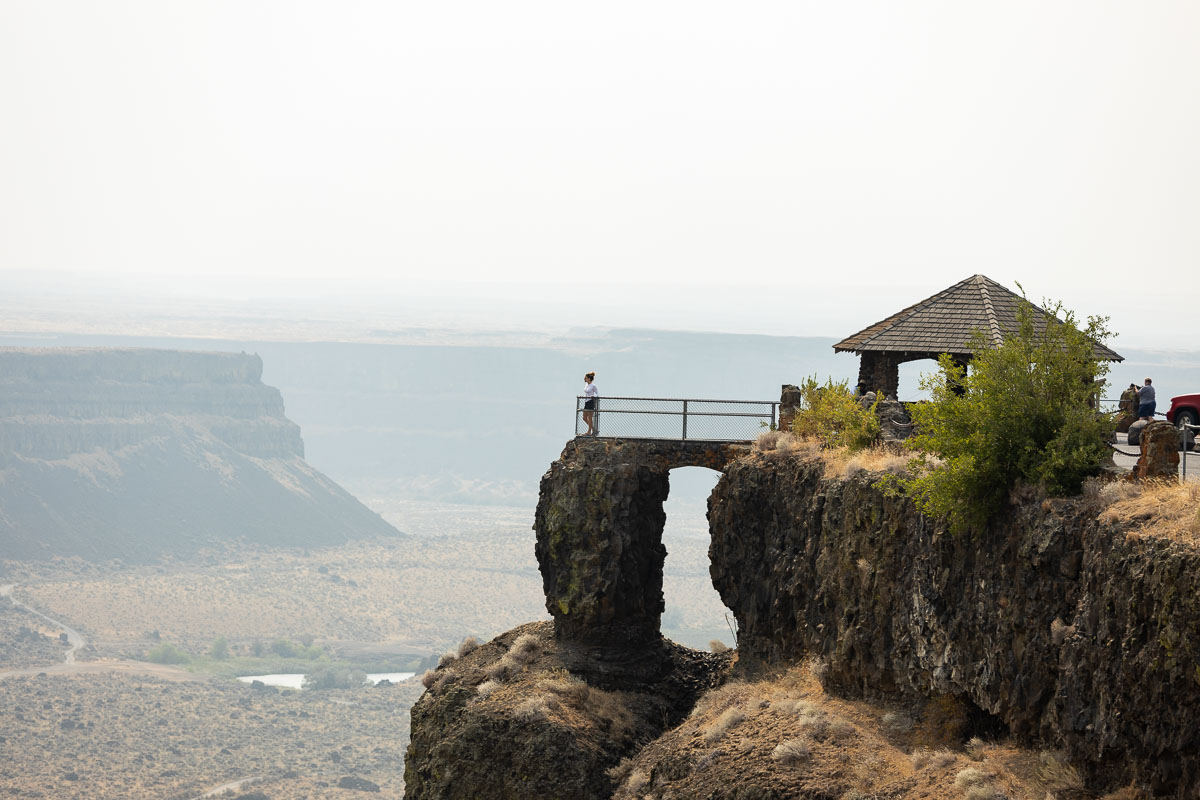
Sun Lakes–Dry Falls State Park sits in the Channeled Scablands of central Washington, wrapped around a 400-foot cliff that hasn’t had water pour over it since Ice Age megafloods rerouted the river roughly 13,000 years ago. Wide open, mostly treeless, and a long way from Seattle’s glow, it’s one of the more reliably dark stretches of sky in the state.
The campground’s sites don’t close for the season until November 1, so they’re still running on peak night — meaning you can pitch a tent at the rim and just walk outside at 3 a.m. instead of driving an unfamiliar highway half-asleep. Day visitors need a Discover Pass ($10 for the day, $45 for the year); campers already have parking covered through their site fee.
California: Lava Beds, the park with no closing gate
Lava Beds National Monument sits tucked against the Oregon border in Siskiyou and Modoc counties, closer to Klamath Falls than to any California city most people could name off the top of their head. It’s one of the rare National Park Service sites with no closing gate and no curfew — the monument is simply always open, which matters when your best viewing window doesn’t start until 3 a.m.
Staff describe the night sky here as close to a truly natural one, dark enough that the monument is currently being considered for its own official Dark Sky Place designation. Bunch Grass Overlook, just past the visitor center entrance, puts distance between you and any building light and opens onto the basin below. Entrance runs $25 per vehicle for seven days, or free with an America the Beautiful Pass since this is federal land — worth having anyway if you’re planning to duck into any of the lava tubes near Mount Shasta the next morning.

The Perseids get most of the hype, mostly because they land on summer camping trips people already have planned. The Orionids ask a little more of you — a specific date in October, a 3 a.m. alarm, and the patience to wait out a bright moon. Worth setting that alarm for the 21st?
Trip tips: grab a rental car to reach any of these, lock in a hotel if a real bed matters more than a sleeping bag, or skip both and take a camper van straight into the dark.
Rules and fees change — always confirm current requirements before you go.