The West Coast’s best wine country isn’t Napa — these three regions prove it

Everyone assumes the best wine on the West Coast means fighting for a table in Napa. It doesn’t.
Oregon, Washington, and California all have wine regions pouring just as seriously — big Cabernets, funky Rhône blends, warm-climate reds nobody associates with the Pacific Northwest — without the tour buses or the two-week reservation window. None of them are where you’d guess, either.
Psst — we made you a West Coast Adventure Map. Nearly 1,900 of our favorite spots, already pinned, ready to load into Google Maps in two clicks — grab it here.
Applegate Valley, Oregon, is Southern Oregon’s warm-climate secret
Most people think Oregon wine means Pinot Noir and rain. Applegate Valley, tucked into the hills southwest of Grants Pass near historic Jacksonville, throws that assumption out entirely.
📍 GET THE ULTIMATE PNW MAP 🗺️
Get our curated list of the best adventures, things to do, and places to grab a brew loaded onto your maps with just two clicks!
✅ Waterfalls ✅ Hikes ✅ Viewpoints
✅ Craft breweries ✅ National Parks ✅ 1400+ Pins

The valley runs warmer and drier than the rest of the state, with hot summer days and cool nights that let Syrah, Tempranillo, and Cabernet Sauvignon actually ripen. The Applegate Valley AVA has been official since December 2000, and it’s still small — around 15 wineries spread across roughly 50 miles of valley between the California border and the Rogue River.
That size is the whole appeal. You can hit four or five tasting rooms in an afternoon without elbowing anyone out of the way, then swing over to Ashland — about 40 minutes east and worth the detour on its own — for dinner. Applegate Valley itself is short on hotels, so grab a rental car, base out of Grants Pass or Ashland, and book a room before the weekend fills up.
Walla Walla, Washington, is the one you can actually walk
Walla Walla is where Washington wine grew up. The AVA dates back to 1984, and the region has grown from about 20 wineries in the late ’90s to well over 100 today.
The smart move is skipping the driving part completely. Downtown Walla Walla packs more than 30 tasting rooms into a walkable historic district, a lot of them poured out of old brick warehouses and a converted auto shop — Seven Hills Winery, one of the valley’s founding names, works out of the Whitehouse-Crawford building, which is on the National Register of Historic Places.

Park once and you’re done driving for the day, which might be the single best argument for choosing Walla Walla over anywhere else on this list. Book a hotel downtown and everything worth tasting is within stumbling distance.
Paso Robles, California, is Cabernet country without the Napa wait
Paso Robles became an AVA in 1983 — the 44th in the country — and has since grown into one of California’s biggest wine regions, with more than 200 wineries spread across upward of 40,000 planted acres. Somehow it still doesn’t pull the crowds Napa does.
Cabernet Sauvignon covers roughly 40% of the vineyard land, but that’s not the whole story. Paso grows more than 60 grape varieties, so one afternoon can take you from a big Bordeaux-style Cab to a Rhône blend of Grenache, Syrah, and Mourvèdre — it might be the most stylistically diverse stretch of wine country on the entire coast.
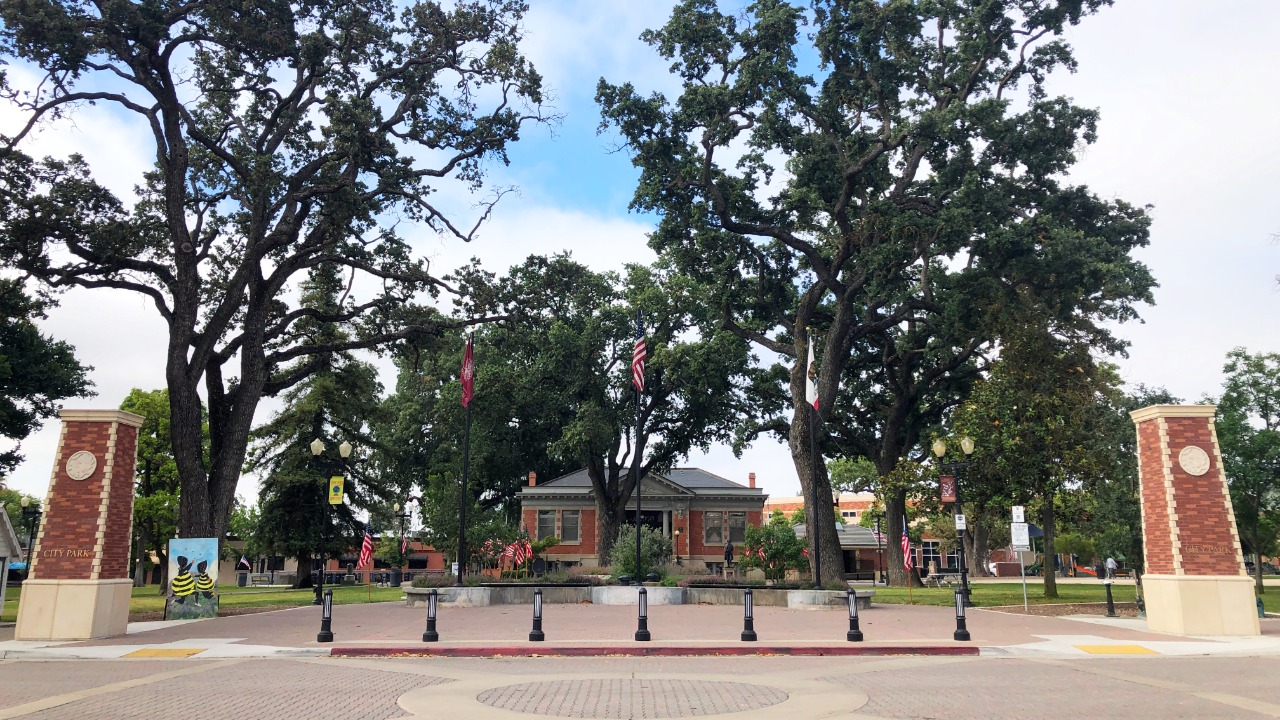
San Luis Obispo, about 30 minutes south, makes a solid home base with a walkable downtown and easy access to the coast on the same trip. Line up a room early — Paso weekends book out fast once summer hits.
None of these three will ever be Napa, and that’s exactly the point. Which one are you starting with?
Trip tips: grab a rental car for the backroads between tasting rooms, and lock in a room early — wine country weekends fill up faster than people expect.