Where to See Whales, Elephant Seals, and Sea Otters—By Season
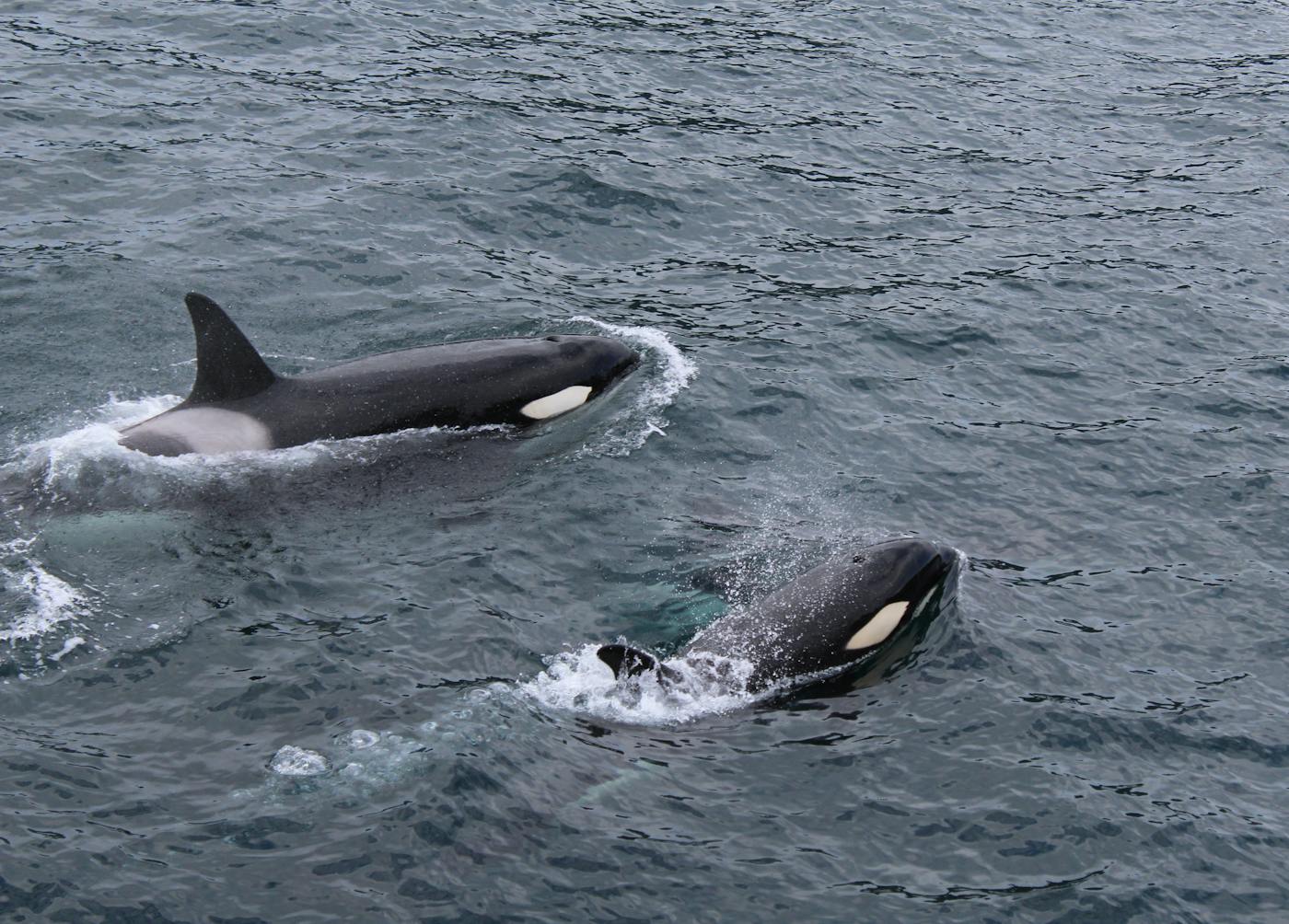
The West Coast is a moving buffet line for marine life. Think winter gray whales, spring calves, summer humpbacks and blues, fall orcas, and sea otters basically being adorable year-round.
General playbook: bring binoculars, dress for wind, use pullouts and platforms (not cliff edges), and book reputable tours when you want guaranteed naturalists in your ear. Leave animals space—if they change behavior because of you, you’re too close.
Monterey Bay, California — Year-Round Action, Different Stars by Season
Monterey’s submarine canyon funnels nutrients that draw whales 12 months a year. Winter: southbound then northbound gray whales cruise close to shore (peaks often Jan–Mar). Spring–Fall: humpbacks blitz anchovies; blues peak midsummer to early fall; orcas make unpredictable cameos, with better odds in shoulder seasons. Shore lookouts: Point Pinos, Marina State Beach, and the Wharf/Breakwater for sea lions and—if you’re lucky—killer whales shadowing bait balls.
Tour hubs line the wharf and Moss Landing; choose trips that brief you on viewing ethics. Bring layers even on calm days—wind funnels off the canyon. Bonus: sea otters raft year-round in sheltered kelp; scan kelp edges and calm coves for fuzzy heads. (Local calendars consistently call out gray whales in winter, humpbacks spring–fall, blues midsummer.)
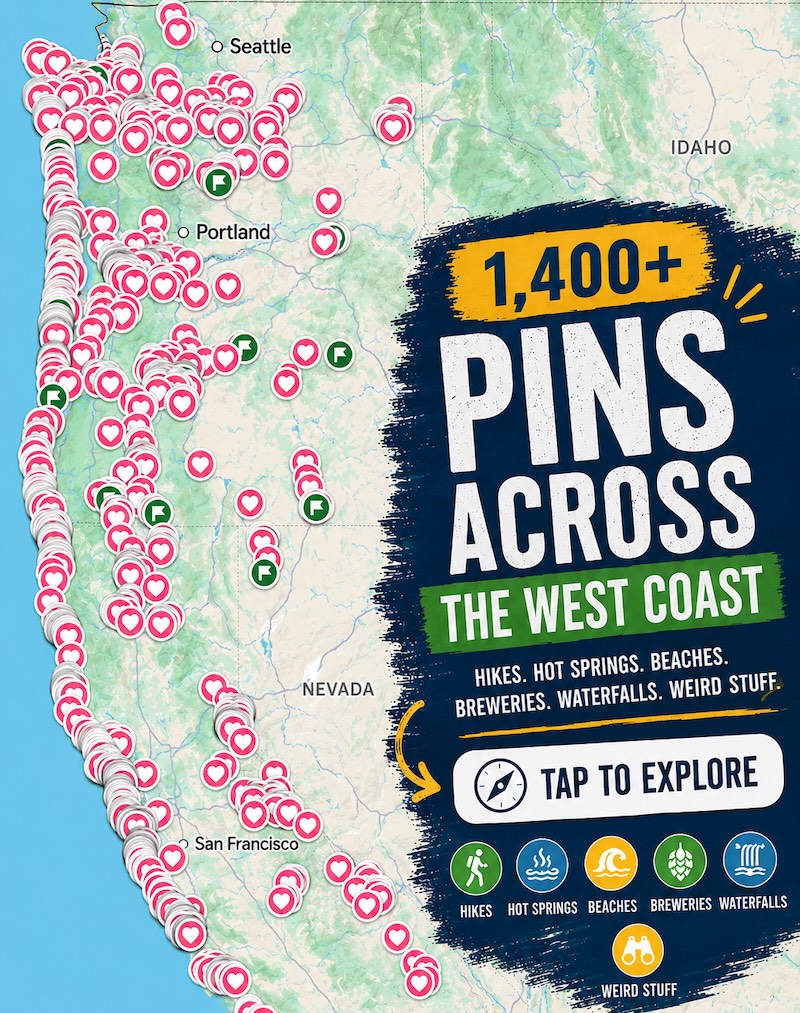
📍 GET THE ULTIMATE PNW MAP 🗺️
Get our curated list of the best adventures, things to do, and places to grab a brew loaded onto your maps with just two clicks!
✅ Waterfalls ✅ Hikes ✅ Viewpoints
✅ Craft breweries ✅ National Parks ✅ 1400+ Pins


Point Reyes Headlands, California — Winter Elephant Seals + Gray-Whale Flyby
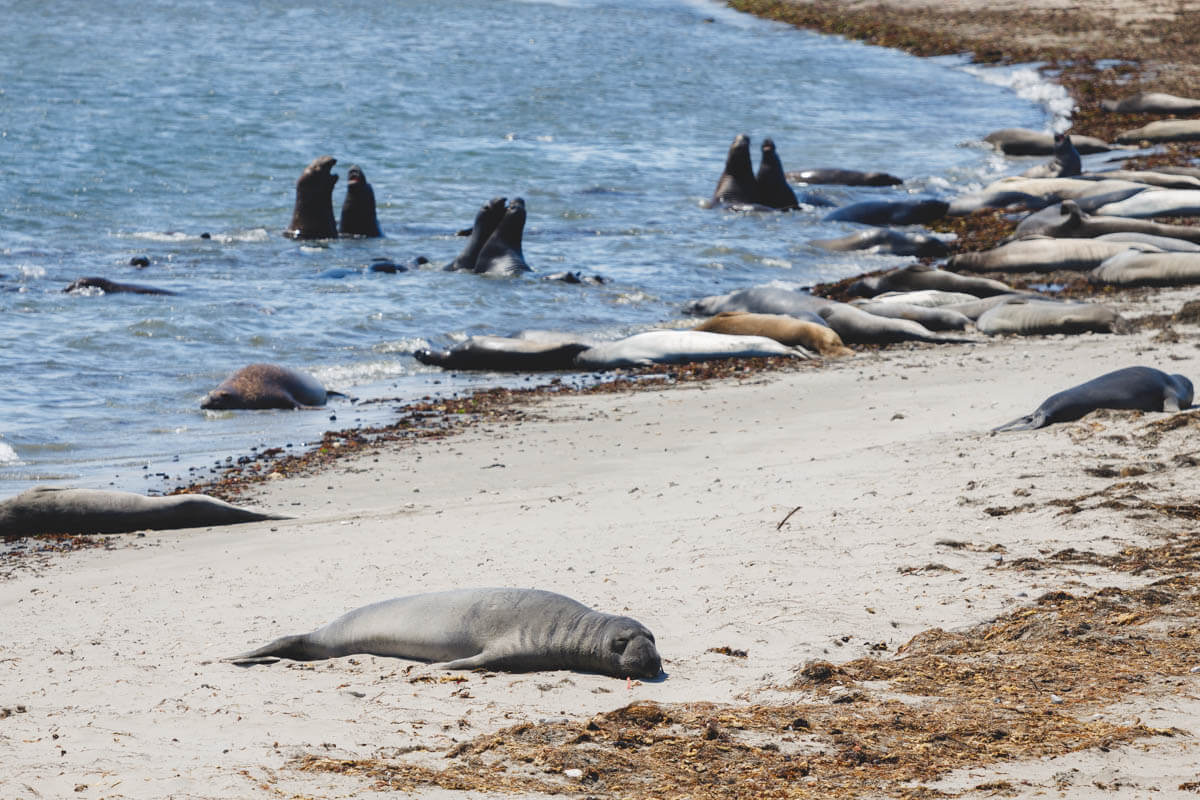
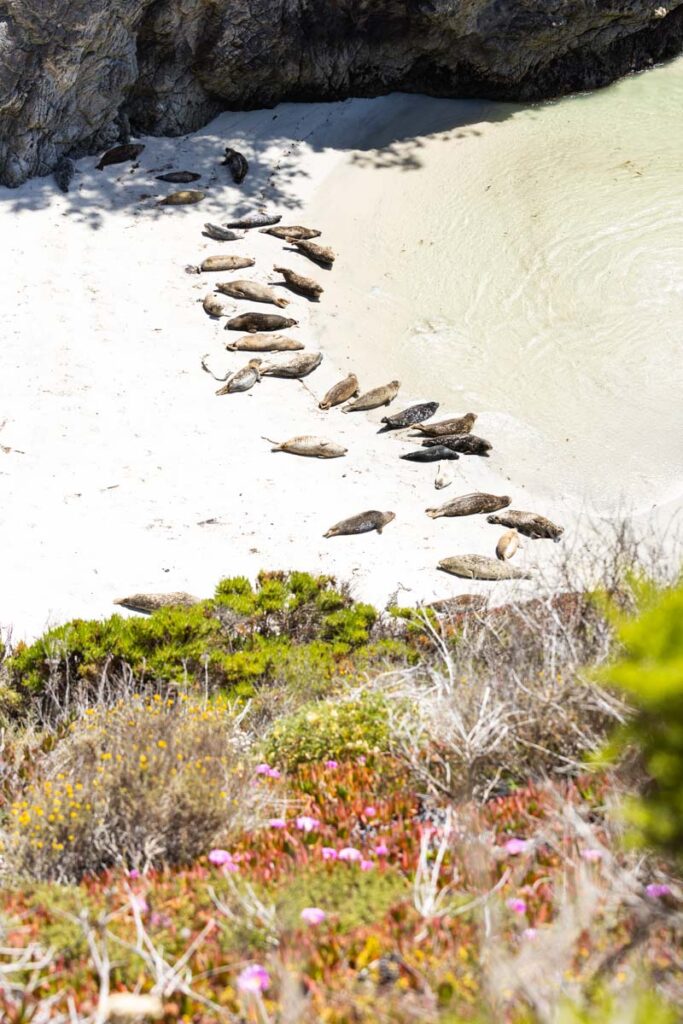
December–March, the beaches near Chimney Rock and Drakes Beach host northern elephant seals for pupping and breeding; rangers staff overlooks and often manage closures to protect moms and pups. Bring a long lens and watch for the classic chest-bumping males and pups learning to swim. March–April overlaps with the gray whales’ northbound migration—scan from the Lighthouse or Chimney Rock trails.
Shoulder perk: in April, wildflowers pop across the headlands while seal pups linger. Respect beach closures—they’re strict for a reason—and treat overlooks as your front row.
Año Nuevo State Park, California — Classic Guided Seal Walks (and Quiet Summers)
From December through early March, guided walks take you into one of the largest elephant seal colonies on the West Coast to see pups, moms, and those giant, loud males—no guessing where to stand, docents lead the way. Spring–Summer flips to molting season: seals loaf and shed in quieter numbers that are easy to view from established platforms on your own.
It’s windy and raw on the point—pack layers and expect sand. Tours book out in peak season; outside of that window, self-guided viewing is relaxed and kid-friendly.
Morro Bay, California — Sea Otters on Repeat, Whales in Season
If you want near-guaranteed sea otters, Morro Bay is the easy button. Calm water, working harbor backdrops, and otters rafting near the T-pier and harbor mouth make for ethical, shore-based viewing year-round. Keep voices low and give mothers with pups extra space.
Seasonal extras: gray whales pass offshore in winter; humpbacks and blues can show in summer/fall outside the bay. Harbor paths and blufftop pullouts make it simple to watch without disturbing anyone’s lunch (including the otters’).
Point Lobos & Carmel Coast, California — Otters in the Kelp, Grays in Winter
At Point Lobos, sea otters raft in kelp canopies—bring binoculars and scan for brown “logs” rolling and grooming. They’re marine-only here (rarely haul out), so plan on shore viewing from signed overlooks. Winter delivers gray-whale drive-by sightings from the headlands; other months surprise with humpbacks offshore.
Walk slow, speak softer, and let the otters be: they burn huge calories daily, and disturbance costs them dinner. The reserve’s natural history programs and signage help you match what you’re seeing to the species list.
Depoe Bay & Yaquina Head, Oregon — Spring Migrants + Summer “Residents”
Oregon’s central coast is whale school. Late March–June: northbound gray whales stream past, often visible from high pullouts and the Whale Watching Center. June–mid-November: a few hundred “resident” grays feed close to shore; watch for repetitive dive patterns over nearshore reefs.
Top lookouts: Depoe Bay seawall, Boiler Bay, Rocky Creek, and Yaquina Head (scan from high platforms above Cobble Beach). On big-swell days, stay high and let the blow spouts give them away.
San Juan Islands, Washington — Orca Odds (and Why They’re Seasonal)
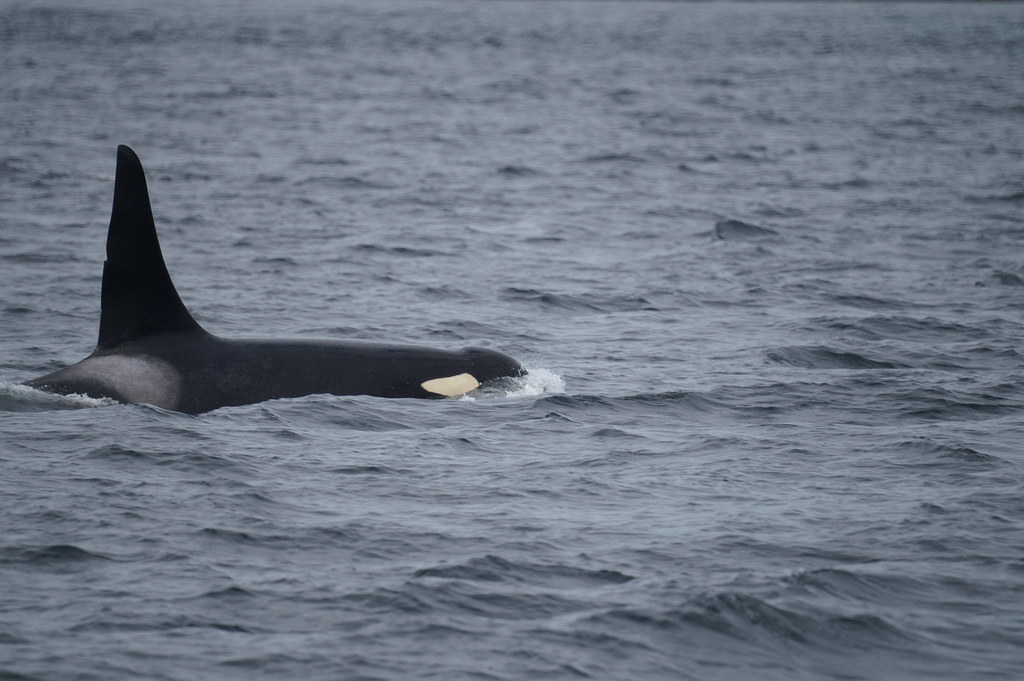
The Salish Sea hosts fish-eating Southern Resident orcas and more commonly seen Bigg’s (transient) orcas that hunt seals and porpoises. Sightings spike April–October with long daylight and active currents, but whales roam year-round and don’t run on timetables. Land lookouts: Lime Kiln Point State Park (“whale watch park”), Cattle Point, and island ferries.
Tours out of Friday Harbor, Anacortes, and Port Townsend coordinate via a shared sightings network, which boosts chances while following strict approach rules. Build flexibility into your day; some days are quiet, others are pure NatGeo.
Trinidad Head & Klamath Overlooks, Northern California — High Vistas, Low Stress
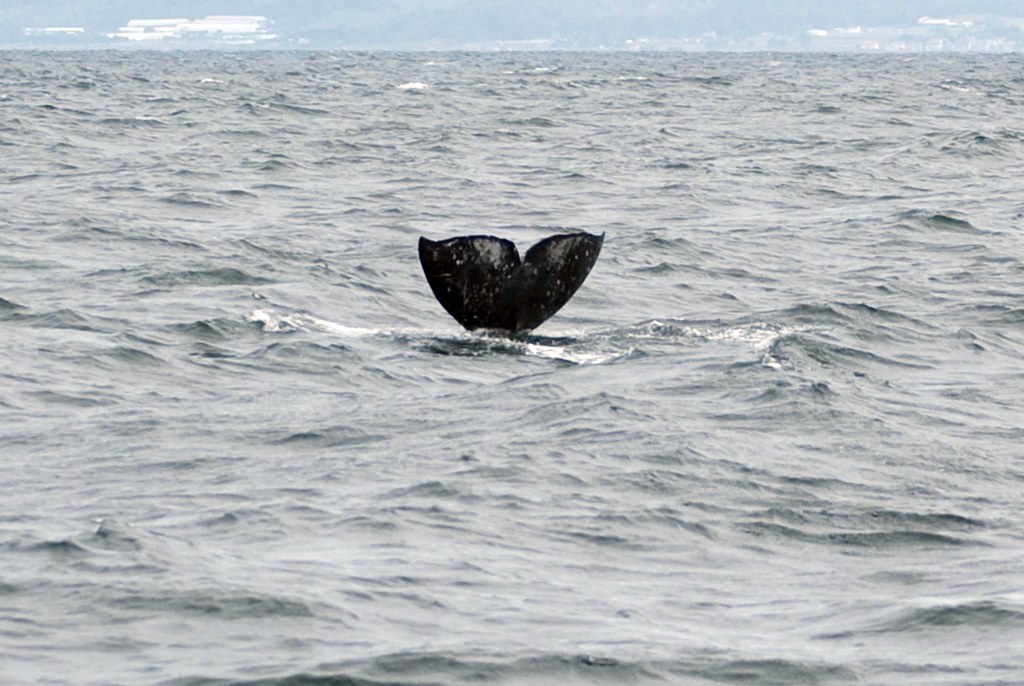
North Coast headlands serve big ocean viewing with minimal approach. Winter–Spring: gray whales track close to shore; summer–fall adds humpbacks offshore chasing bait. From Trinidad Head, you get 360° scanning and wind-scoured platforms; farther north, Klamath River Overlook stacks a high perch over migration lanes.
Bring a windbreaker and patience—use whitecaps as your background and watch for the rhythmic “blow… back arch… tail” sequence. Between pulses, you’ll spot seabirds and sea lions riding current lines below. (These overlooks are classics for land-based whale watching on the North Coast.)
Cape Flattery & Kalaloch Pullouts, Washington — Edge-of-Map Whales, Eagles, and Weather
At the far tip of the Olympic Peninsula, Cape Flattery offers platforms above a cauldron of reefs and surge; scan late winter through spring for gray whales and summer for humpbacks offshore. Farther south, high pullouts around Kalaloch give you comfortable, binocular-friendly perches to watch for migrating blows on clear winter days.
Weather swings hard—bring layers and keep a hand on your hat. Eagles and sea stacks are your intermissions between whale sets; when swell is up, stay high and let the ocean work. (Olympic headlands are renowned for storm shows and spring migration passes.)
Simple Wildlife Calendar (Clip and Save)
Dec–Mar: Gray whales migrate along CA/OR/WA; peak land-based viewing on many headlands. Elephant seals pup on central-CA beaches (Point Reyes, Año Nuevo).
Mar–Jun: Northbound grays with calves close to shore; Oregon’s spring watch is prime. Wildflowers meet whale tails at Point Reyes.
Jun–Oct: Humpbacks common off CA/OR; blue whales peak midsummer around Monterey Bay; Oregon’s “resident” grays feed nearshore.
Year-round: Sea otters in protected coves (Morro Bay, Carmel/Point Lobos). Orcas possible any month in the Salish Sea; best odds in the brighter months.
Quick Ethics & Tour Tips
Use binoculars and telephoto instead of getting closer.
Stay behind railings and obey seasonal beach closures (especially around elephant seals).
Choose tours that brief on approach distances and never box animals in.
If whales change direction or dive repeatedly to avoid you (even from shore with kayaks), give them room—the best sighting is the one where you weren’t the story.