Lewis and Clark’s Oregon winter had just 12 days without rain, and you can still walk through a replica of the fort they waited it out in
The most famous road trip in American history ended with four straight months of rain. Between November 4, 1805 and March 25, 1806, Sergeant Patrick Gass counted no more than 12 days without it, and only six of those were actually clear.
The damp got into the gunpowder, mildewed their clothes and rotted their bedding. So here’s the funny part: a gray, drizzly winter day is the most authentic way to see where it all happened. You’re not getting rained on, you’re doing living history.
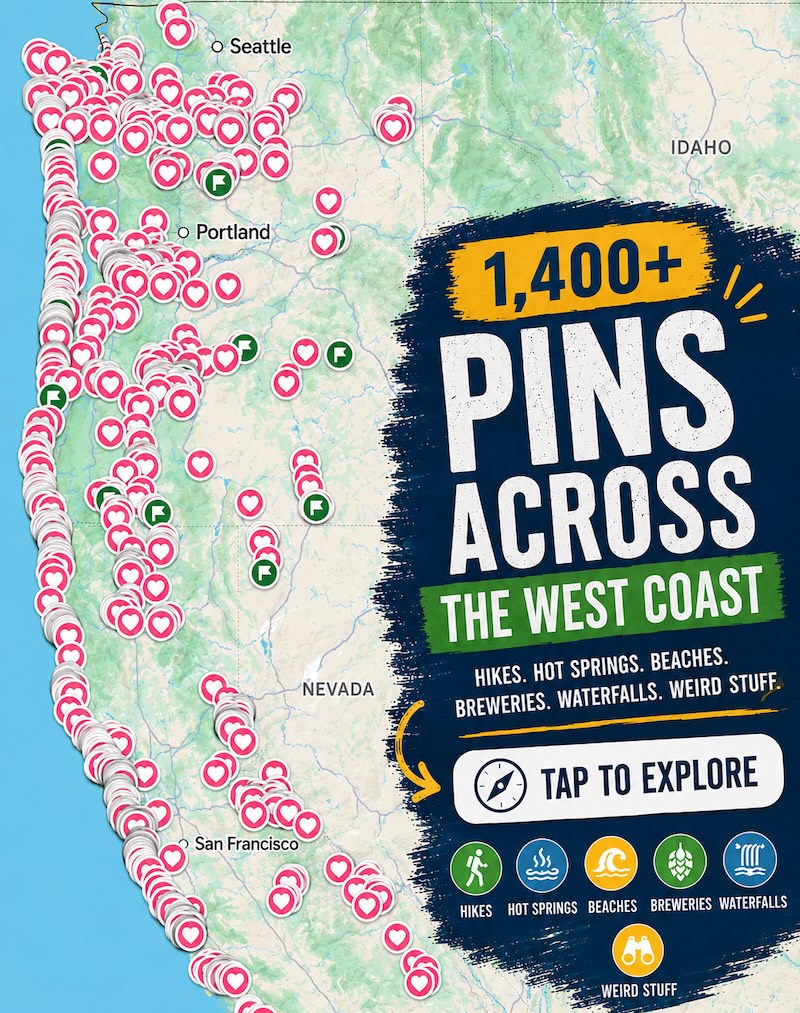
Psst, we made you a West Coast Adventure Map. Nearly 1,900 of our favorite spots, already pinned, ready to load into Google Maps in two clicks: grab it here.
Washington: Cape Disappointment is where the Pacific finally showed up
The Corps of Discovery reached the Pacific in November 1805 on the Washington side of the Columbia. William Clark and a handful of men explored the headland at Cape Disappointment on their final push to the ocean.
📍 GET THE ULTIMATE PNW MAP 🗺️
Get our curated list of the best adventures, things to do, and places to grab a brew loaded onto your maps with just two clicks!
✅ Waterfalls ✅ Hikes ✅ Viewpoints
✅ Craft breweries ✅ National Parks ✅ 1400+ Pins

They didn’t stay long. Scouting turned up scarce game on the north shore, and trading for dried fish and roots was getting expensive. So the group voted to cross the river and build winter quarters on the Oregon side.

Today the Lewis and Clark Interpretive Center sits up on the cliffs inside Cape Disappointment State Park. It tells the story of the expedition and the Chinook people, plus a healthy dose of shipwreck and military history at the mouth of the river.
Winter is the catch. From November through March, the center is open Wednesday through Sunday only, 10 a.m. to 5 p.m., and it charges its own admission. You’ll also need a Discover Pass to park anywhere in the state park.
Oregon: Fort Clatsop was home from Christmas Eve 1805
The crew started building in early December in a spruce forest near what’s now Astoria. Most of the men moved in on Christmas Eve, during a heavy rain, after a frantic day spent getting the roof on. The captains named it for their neighbors, the Clatsop people.
The original fort rotted away in the wet climate, which tracks. What you walk through today is a replica built in 1955 by local residents, based on the expedition’s journals and a floor plan Clark sketched. Duck into those small, dim log rooms and you’ll understand the cabin fever fast.
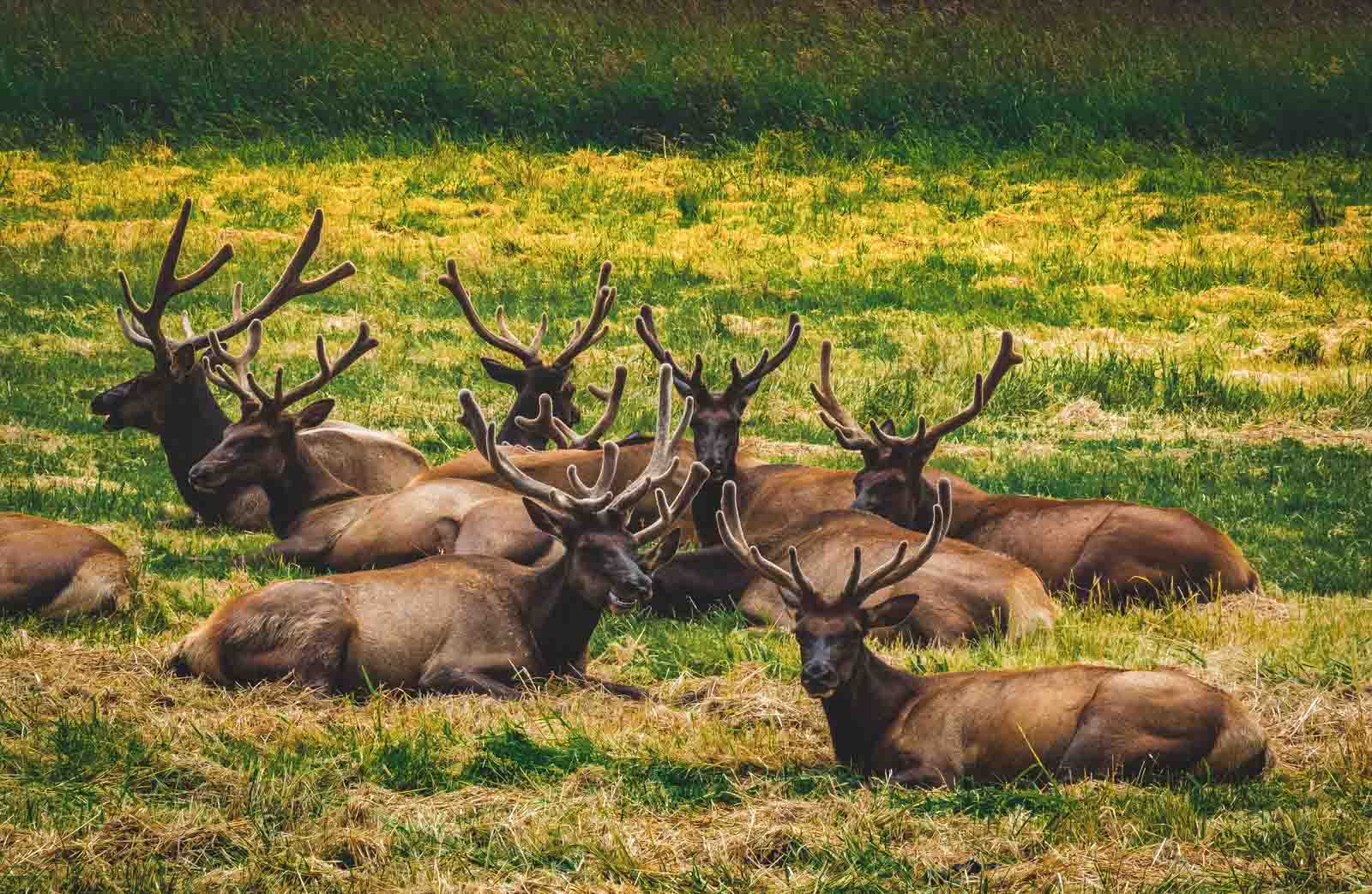
And the menu? Mostly elk. Between December 1, 1805 and March 20, 1806, the hunters brought in 131 elk and 20 deer, and they eventually had to range up to 20 miles from the fort to find more. Keep an eye out on the drive, because elk still graze this stretch of the coast.
Entry is part of Lewis and Clark National Historical Park. It’s $10 per adult and good for seven days, kids 15 and under get in free, and the visitor center takes cards only. An America the Beautiful pass covers you plus up to three more adults.
The Corps finally packed up on March 23, 1806 and headed home. On the way out, Lewis and Clark handed the fort and everything in it to Coboway, a Clatsop chief.
Oregon: Seaside’s Salt Works is a quick stop with a great backstory
By the time they hit the coast, the expedition had almost run out of salt for preserving and seasoning food. On December 28, 1805, five men hiked out from the fort carrying five of their biggest kettles and set up camp roughly 14 miles away, near a Clatsop-Nehalem village in what’s now Seaside.
The salt makers worked there from January 2 until February 20, hauling seawater from the surf and boiling it down over a fire that burned day and night. They made about four bushels, and roughly three got packed into kegs for the trip home. Lewis called it “excellent, fine, strong & white.”

Today a replica salt cairn, built in 1955 by the Seaside Lions Club, sits just off the Prom on Lewis and Clark Way. It’s a small fenced courtyard with a stone oven and kettles on top. Give it 15 minutes, then go get a coffee in town.
The salt camp was also the jumping-off point for one of the winter’s best side quests. In January 1806, Clark led a small group, Sacagawea included, over Tillamook Head to trade for blubber from a beached whale. The creek where they found it is the reason Ecola State Park has its name: Ecola comes from the Chinook trade-language word for whale.
How to do all three in one rainy day
Go in the same order the Corps did. Start at Cape Disappointment State Park (on a Wednesday through Sunday, so the interpretive center is open), then cross the Astoria-Megler Bridge into Oregon for Fort Clatsop, and finish on the beach in Seaside.

If you only have time for one, make it Fort Clatsop. Standing in those cramped log rooms while rain drums on the roof tells the story better than any exhibit panel can. Then refuel in Astoria, which might just be our favorite town on the Oregon coast.
Could you have survived 106 days of elk, rain and wet socks? Tell us how long you think you’d have lasted before staging a mutiny.
Trip tips: grab a rental car to get out here, lock in your hotel before the good rooms are gone, or skip both and book a camper van instead.
Rules and fees change, so always confirm current requirements before you go.