Red States Say They’re Free—So Why Are Their Laws So Restrictive Compared to West Coast?
“Freedom” gets tossed around like a brand—but for many travelers, that promise doesn’t always match reality. Some of the loudest “freedom states” are also the ones restricting what books are on shelves, who you can marry, what healthcare you can access, or even how long you can stay in a park.
Meanwhile, blue states—often criticized for being overregulated—offer more actual freedom to move, explore, speak, and exist. When you stack the laws side by side, the picture gets complicated. And for travelers? That makes a difference.
Freedom to Roam? Not If It’s Privatized
Public land access is one of the clearest ways to measure real freedom of movement—and red states often fall short. In Texas, over 95% of land is privately owned, making spontaneous hikes or river access nearly impossible without permits or trespassing risks (source: Texas Parks & Wildlife).
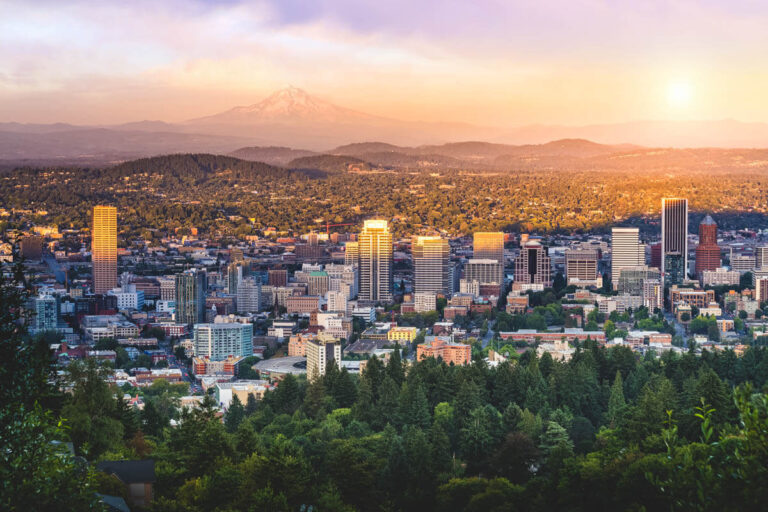
Compare that to Oregon, where every inch of coastline is public, or California, where state and national parks are abundant and well-funded. Blue states often prioritize open space for all, while many red states limit access in favor of private development.
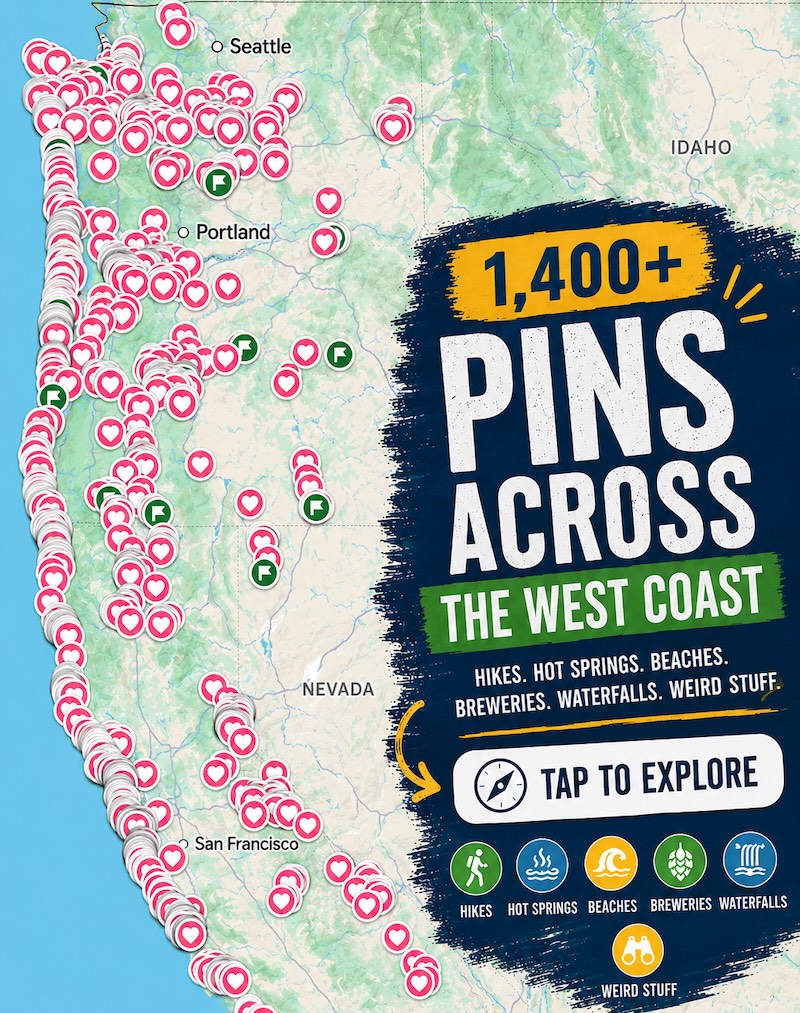
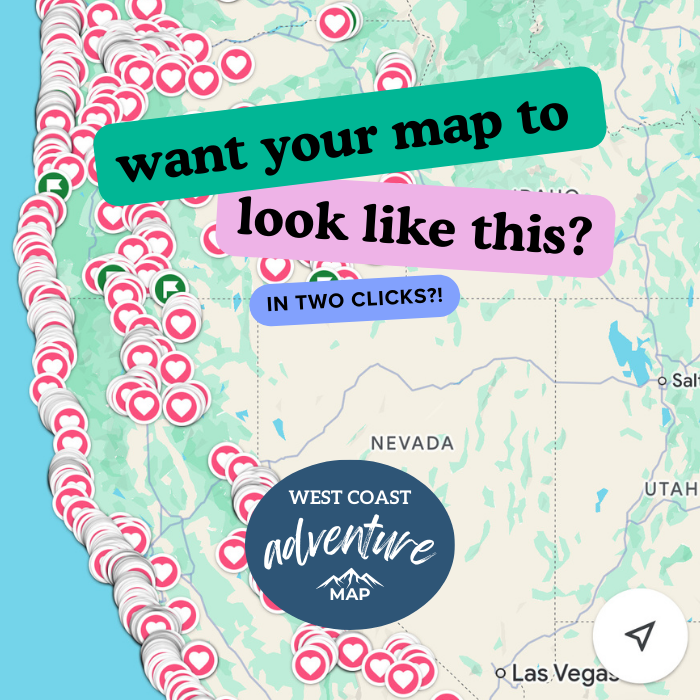
📍 GET THE ULTIMATE PNW MAP 🗺️
Get our curated list of the best adventures, things to do, and places to grab a brew loaded onto your maps with just two clicks!
✅ Waterfalls ✅ Hikes ✅ Viewpoints
✅ Craft breweries ✅ National Parks ✅ 1400+ Pins


Freedom to Be Yourself? Depends on the Zip Code
LGBTQ+ protections vary wildly by state—and red states are increasingly passing laws that restrict drag performances, gender-affirming care, and public school discussions around identity.
Meanwhile, cities like Portland, San Francisco, and Seattle score perfect 100s on the Human Rights Campaign’s Municipal Equality Index. Blue states lead in protections for trans travelers, same-sex couples, and anyone seeking a vacation where they don’t have to “code-switch” or worry about local ordinances.
Real freedom means being able to exist as you are. For many, that makes a big difference when choosing where to go.
Freedom to Learn? Not Everywhere
Over 20 states—many of them red—have enacted laws limiting what can be taught in schools, particularly around race, gender, and U.S. history (source: PEN America, 2023). Some have even banned books from public libraries and classrooms.
You might not think this matters to travelers—but culture isn’t just what you see, it’s what a place allows. Museum exhibits, public art, local festivals—all of it is shaped by what’s encouraged or censored. In blue states, you’re more likely to encounter open dialogue, diverse storytelling, and freedom of expression baked into the culture.

Reproductive Rights Are a Travel Factor Now
Since Roe v. Wade was overturned, access to reproductive healthcare varies wildly by state. Many red states have enacted bans or extreme restrictions—even for residents traveling out of state.
Blue states like California, Oregon, and Washington have gone the other way, passing protections for abortion access and creating “sanctuary” policies for both residents and visitors (source: Guttmacher Institute, 2023). For people traveling while pregnant or simply wanting to know they’re covered in an emergency, that’s more than a political issue—it’s a real safety net.
Freedom Isn’t Just a Slogan—It’s a Lived Experience
The idea of freedom means different things to different people. But when you zoom out, blue states tend to offer more legal and logistical freedom to move, love, hike, read, vote, and exist—without running into red tape or surveillance.
It may not always match the marketing. But when you’re planning a vacation—or a future move—the details matter. And they speak louder than slogans.