The Leonids are a modest meteor shower this year, but three West Coast skies make up for it
A meteor shower that tops out at 10 to 15 shooting stars an hour, with a first-quarter moon crashing the party, sounds like a skip. It isn’t, as long as you pick the right sky. The Leonids peak this November, and three spots on the West Coast are dark enough to turn a modest show into a proper night out.
Psst, we made you a West Coast Adventure Map. Nearly 1,900 of our favorite spots, already pinned, ready to load into Google Maps in two clicks: grab it here.
When to look, and what to expect
The Leonids are expected to peak around 0 UTC on November 18, which makes the night of November 17 into the morning of November 18 your window. Forecasters don’t expect a meteor storm this year. Under a truly dark, moonless sky you might catch 10 to 15 an hour, and the moon will trim that a bit.
Here’s the part that works in your favor: the radiant climbs into the sky around midnight and stands highest at dawn, so the best hours come late. The first-quarter moon sets around midnight, which means the darkest stretch of the night lines up with the best part of the show. Plan to be in place after midnight and stay until the sky starts to brighten.
📍 GET THE ULTIMATE PNW MAP 🗺️
Get our curated list of the best adventures, things to do, and places to grab a brew loaded onto your maps with just two clicks!
✅ Waterfalls ✅ Hikes ✅ Viewpoints
✅ Craft breweries ✅ National Parks ✅ 1400+ Pins

Oregon: the biggest dark sky in the world
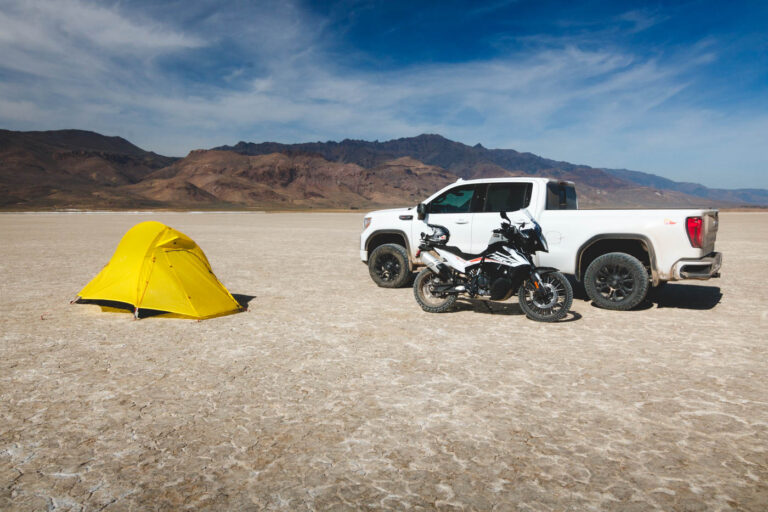
If you want a sky that does the heavy lifting for you, head for the Oregon Outback. This corner of southeast Oregon was named an International Dark Sky Sanctuary in March 2024, and it is the largest one in the world, with about 2.4 million acres in its first phase. That is a lot of nothing between you and the stars, in the best possible way.
Fort Rock, a volcanic crater just outside the sanctuary boundary, is the easy taste from Bend. For the full experience, Hart Mountain National Antelope Refuge has three free, first-come campgrounds (no campfires allowed). Services out here are thin and emergency help is far away, so map your gas stops and check road and weather conditions before you commit to a November night in the high desert.
Washington: one of the biggest public telescopes in the country
Goldendale Observatory State Park sits in the hills above the Columbia River in Klickitat County, and it houses one of the nation’s largest public telescopes. It’s the pick if your idea of a great night involves actually looking at something, not just up. Meteors are the opening act, and the telescope is the encore.
One catch worth knowing: reservations are required to enter the visitor center and attend programs. Book ahead, and check the state parks site for current hours before you make the drive.
California: Death Valley, the Gold Tier pick
Death Valley is classified at the highest level of dark sky protection, Gold Tier, and the park says its nights are dark enough that many celestial objects visible there can’t be seen elsewhere in the world. My vote for the best sky on this list goes here, no hedging. The park’s own stargazing picks include Mesquite Flat Sand Dunes, Harmony Borax Works, Badwater Basin, and Ubehebe Crater.

One tip from the park: pick an open spot with a bit of elevation, because mountains can block stars from low points like Badwater Basin. Bring binoculars, and note that ranger-led night sky programs run in winter.
How to make the most of any of them
Give your eyes about 30 minutes to adjust, and use a red light instead of a white one so you don’t wipe out your night vision. Skip the phone screen if you can. Lie back on a pad or reclining chair, look wide instead of at one patch of sky, and let the meteors come to you.
So which sky are you chasing: the endless Oregon Outback, the big telescope in Washington, or the Gold Tier dark of Death Valley? Tell us your pick, and bring a thermos either way.
Trip tips: grab a rental car to get out here, lock in your hotel before the good rooms are gone, or skip both and book a camper van instead.
Rules and fees change, so always confirm current requirements before you go.