The Most Isolated Places on the West Coast (You Might Regret Visiting Alone)

Want to truly disconnect? The West Coast has its hidden gems—but step lightly. Remote roads, zero cell service, and wild encounters await. These are the towns, trails, and shorelines where “alone” can get uncomfortably literal. Here are seven eerie, isolated spots you’ll want to plan for—or avoid solo.
1. Petrolia & the Lost Coast, Northern California

Mendocino’s Lost Coast is the only stretch in California untouched by Highway 1. Petrolia—its main community—sits at the end of winding, steep 30‑mile dirt roads with no gas or cell towers for miles. Rugged redwoods, black‑sand beaches, and bears are gorgeous—until you realize help is hours away. Property lines are vague; cell service is non‑existent. It’s the kind of solitude that looks amazing in photos but feels ominous seven miles from town.
2. Sinkyone Wilderness State Park (Usal Road), CA

Accessible only via a rough Forest Service route, Usal Road leads to primitive campsites. One local forum called it “completely wild—no rangers, no pavement, no fences”. Cliffs drop into churning seas, and the access road floods in rain. You won’t know if you’ve stepped off the trail into poison oak—nor if a vehicle can make it out.
3. Fern Canyon, Prairie Creek Redwoods, CA
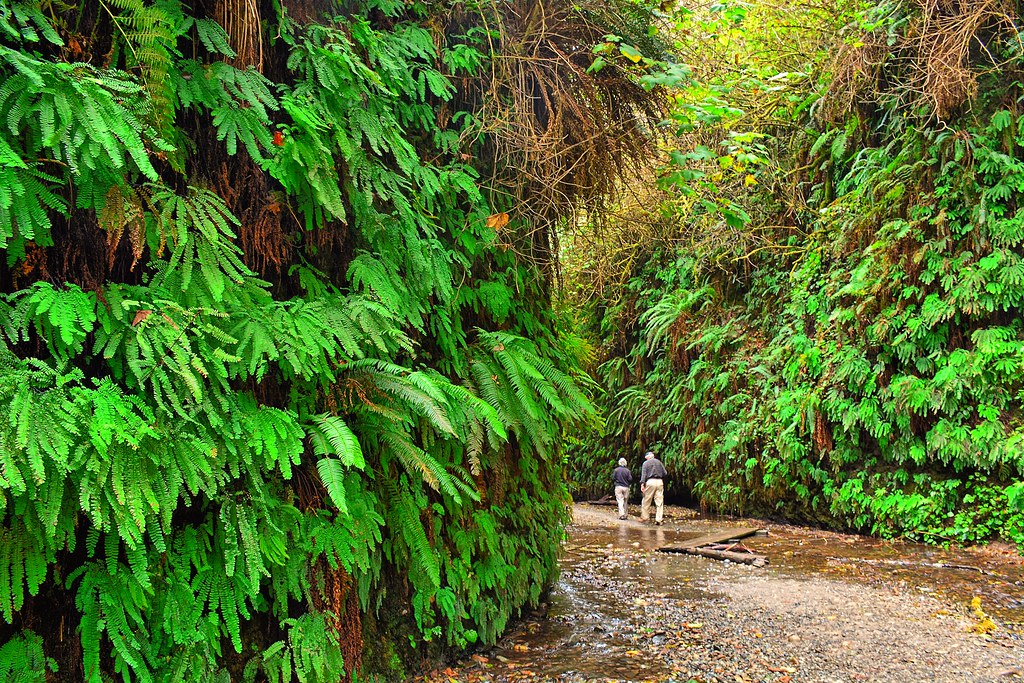
Beautiful, yes—but so remote your return could be cut off by a washed-out creek or falling redwood. Trails are soggy and narrow; there are no bridges. Go alone, and you’re risking hypothermia, scratches, or sudden wildlife encounters.
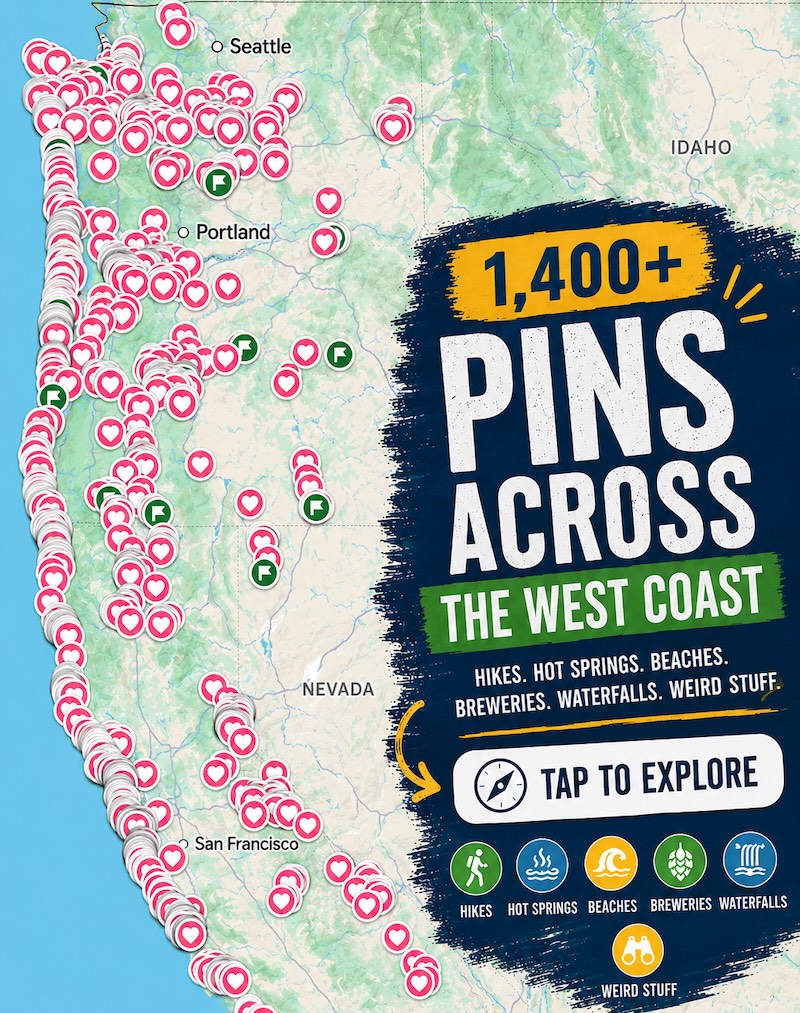
📍 GET THE ULTIMATE PNW MAP 🗺️
Get our curated list of the best adventures, things to do, and places to grab a brew loaded onto your maps with just two clicks!
✅ Waterfalls ✅ Hikes ✅ Viewpoints
✅ Craft breweries ✅ National Parks ✅ 1400+ Pins

4. Anacapa Island (Channel Islands NP), Southern California

A national park—but cut off by boat or guided kayak only . Once on its rocky shores, service is gone, rangers rare, hiking is unlabeled, and currents unpredictable. It’s eerie, raw, and beautiful—but serious prep is required for safe solo trips.
5. Cape Blanco, Oregon

This is the westernmost point on U.S. mainland: rocky, windy, wild—and at least five miles from any town or paved road . The grassy bluffs drop 200 feet into chill waters. Storm surfers love it; cell signals do not. Hike here alone and don’t expect rescue if you slip on slick rocks.
6. Tatoosh Island (Cape Flattery), Washington

Just offshore Cape Flattery, this tiny rocky isle is entirely uninhabited except for nesting seabirds and a crumbling lighthouse. Permission from the Makah Tribe is required. One wrong wave, and you’re stranded on slippery cliffs without phone signal. It’s hauntingly beautiful—but for experienced, careful explorers only.
7. Modoc National Forest & Medicine Lake, CA
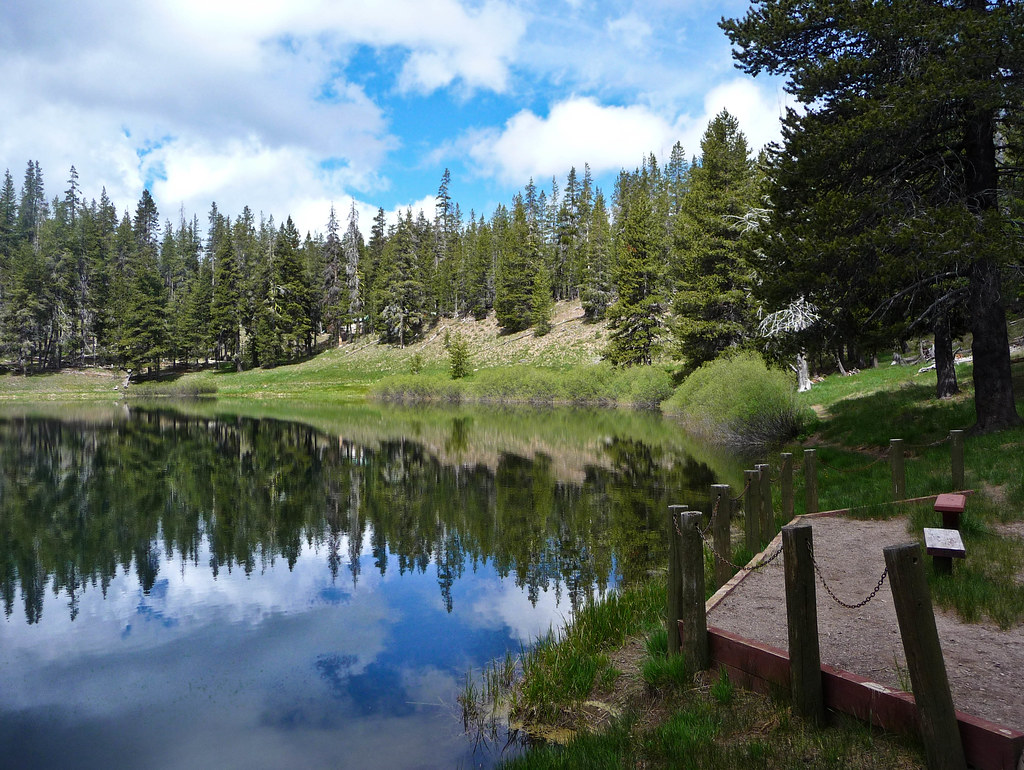
Far from I‑5 crowds, Modoc’s camping is on volcanic highs and pine-lined slopes. Ranger presence is minimal; fire and flood risks real. Some “roads” are gravel at best. It’s tranquil, yes—but if a tire blows or a sprained ankle happens, help comes slow.
Solo-Travel Tips for These Ghost Spots
- Download offline maps & carry GPS
- Pack at least two water sources and emergency shelter
- Tell locals exactly where you’re going—and when you plan to return
- Avoid going alone in creeks, cliffs, or forested canyons
- Bring a Personal Locator Beacon, especially in polar quiet zones
MORE ON THE WEST COAST:

READ MORE: The Best of Oregon
READ MORE: The Best of Washington
READ MORE: The Best of California
*GRAB THE BEST WEST COAST ADVENTURE MAP FOR YOUR NEXT TRIP!*