Three West Coast gold rush stops you can still walk through, from an Oregon boomtown to the spot where it all began
The Gold Rush left the West Coast dotted with ghost towns, but a few of its boomtowns never emptied out. Three of them are still standing, still open, and a lot easier to visit than the history books make them sound.
Fall is a good time to go. The summer crowds are gone and the air is cool enough for a long walk.
Psst, we made you a West Coast Adventure Map. Nearly 1,900 of our favorite spots, already pinned, ready to load into Google Maps in two clicks: grab it here.
Jacksonville, Oregon: the town the railroad skipped
Gold turned up here in 1851 and 1852, and Jacksonville was incorporated in 1860. By the end of that decade the gold was mostly worked out, and in 1884 the railroad bypassed the town entirely.
📍 GET THE ULTIMATE PNW MAP 🗺️
Get our curated list of the best adventures, things to do, and places to grab a brew loaded onto your maps with just two clicks!
✅ Waterfalls ✅ Hikes ✅ Viewpoints
✅ Craft breweries ✅ National Parks ✅ 1400+ Pins

That snub was the best thing that ever happened to it. With no boom to tear old buildings down for new ones, the town stayed put, and in 1966 it became a National Historic Landmark covering more than 100 buildings.
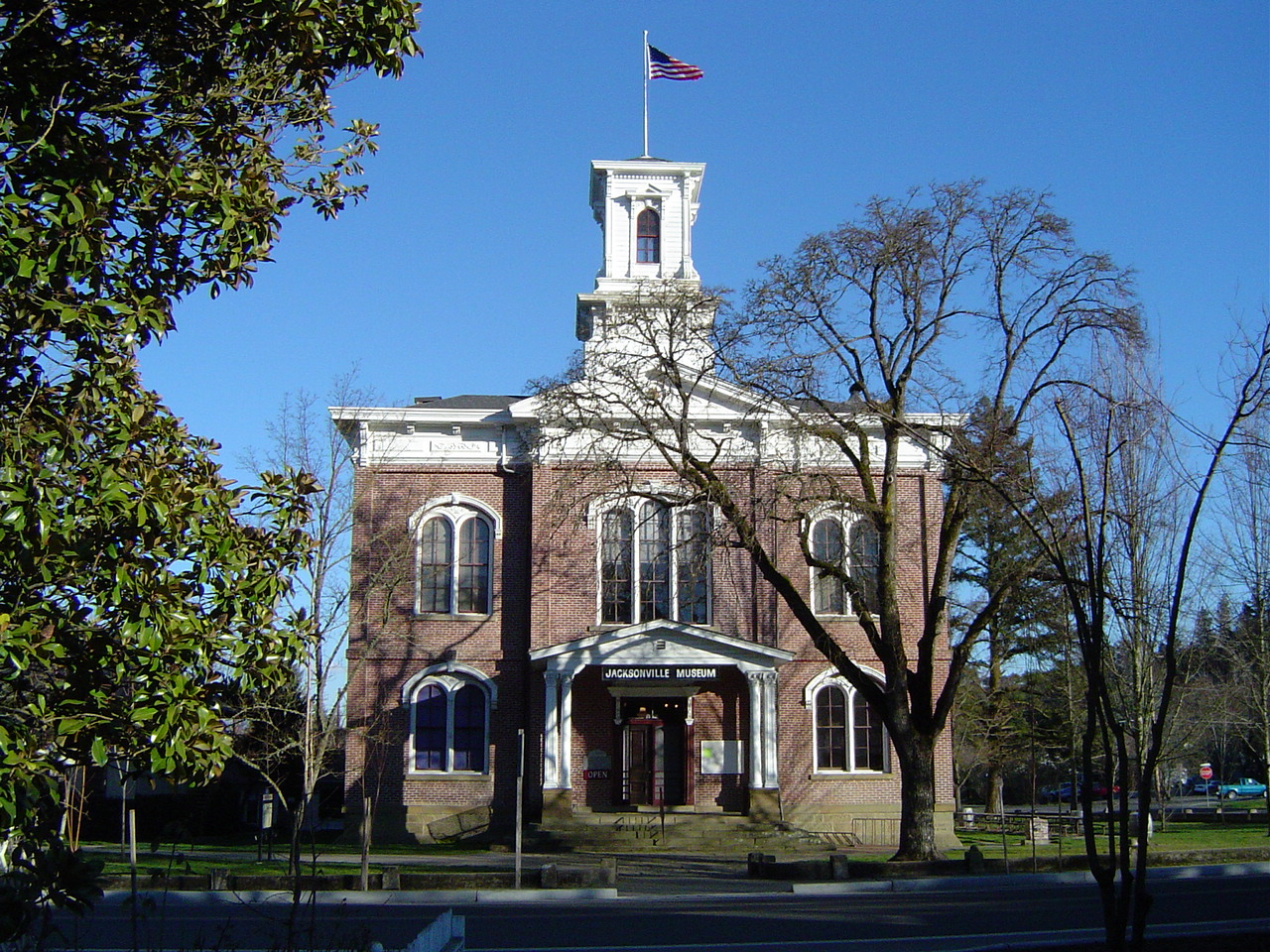
Park once and walk. The historic district is made for wandering on foot, and the preserved buildings do the storytelling for you.
Columbia, California: the gem of the southern mines
By 1853, Columbia was one of California’s largest cities. Plenty of mining camps burned, got vandalized or simply faded away, but this one is still here, about three miles north of Sonora off Highway 49.
Today it’s a state historic park with working shops, saloons, candy stores, a coffee house and the Fallon Theatre. You can watch candle dipping and soap making, wander a two-story brick schoolhouse, and walk a one-mile nature trail. Stagecoach rides run depending on season and weather.
Parking and vehicle day use are free, and park exhibits are open 10 a.m. to 4 p.m. from October 1 through April 30. That makes it my pick for the best free afternoon on this list.
Coloma, California: where it all began
In 1848, James Marshall spotted gold in the tailrace of a sawmill he was building with John Sutter on the South Fork of the American River. That one shiny flake set off the whole Gold Rush, and Marshall Gold Discovery State Historic Park sits right on the spot.
You’ll find a replica of the original sawmill, more than 20 historic buildings, a museum and visitor center, and the Marshall Monument overlooking the river. Day use runs $10 per vehicle ($9 for seniors 62 and older).
Want to try it yourself? Gold panning lessons are usually offered most days at 10, 11, 1, 2 and 3, with a 15-minute lesson followed by about 30 minutes of panning. They’re first come, first served, and the park warns that the river can run cold and fast, so keep a close eye on kids near the water.
How to string them together
Columbia and Coloma are both in California’s Gold Country, so pair them on one weekend and save Jacksonville for a trip through Southern Oregon. Which one would you hit first: the place it started, or the town that refused to quit?
Trip tips: grab a rental car to get out here, lock in your hotel before the good rooms are gone, or skip both and book a camper van instead.
Rules and fees change, so always confirm current requirements before you go.