West Coast Cities That Are Getting Worse, Not Better
Not everything on the West Coast is glowing growth and picturesque sunsets. Some cities are slipping—pulled down by rising crime, sky-high housing costs, wildfires, gridlock, and more unhoused neighbors. These aren’t alarmist takes—they’re grounded in genuine trends backed by recent data. Let’s dive in 🚨
1. Los Angeles, CA

L.A. recently endured January 2025 wildfires, which scorched over 57,000 acres, destroyed 18,189+ structures, and displaced 200,000+ residents. These disasters have intensified homelessness — Los Angeles County counts 75,000+ unhoused individuals, with fires worsening this by adding rent hikes of 15–20%. The city’s crime and homelessness strains are compounded by a looming $1 billion budget deficit, risking service cuts despite efforts to reduce street homelessness by ~10%. L.A.’s trajectory isn’t just a rough patch—it’s a deepening crisis.
2. San Francisco, CA

Once top-tier, San Francisco plummeted from 27th to 126th in the Milken Institute’s “best US cities” ranking—dragged down by soaring costs, pervasive crime, and a homelessness surge. California-wide, 187,000+ people are unhoused—nearly half the national total—and SF alone accounts for 8,300+. With historic housing shortages (only ~16% can afford a median home) and no end in sight, SF’s issues are systemic, not statistical anomalies.
3. Seattle/King County, WA

Seattle isn’t immune. King County ranks 3rd nationwide in homelessness rates, with tens of thousands unsheltered—and chronic homelessness grew by 56% in 2024.Wildfire smoke from California is degrading regional air quality—and local health data links long-term exposure to dementia risk. What was once a clean-air tech haven is facing stinging environmental and societal setbacks.
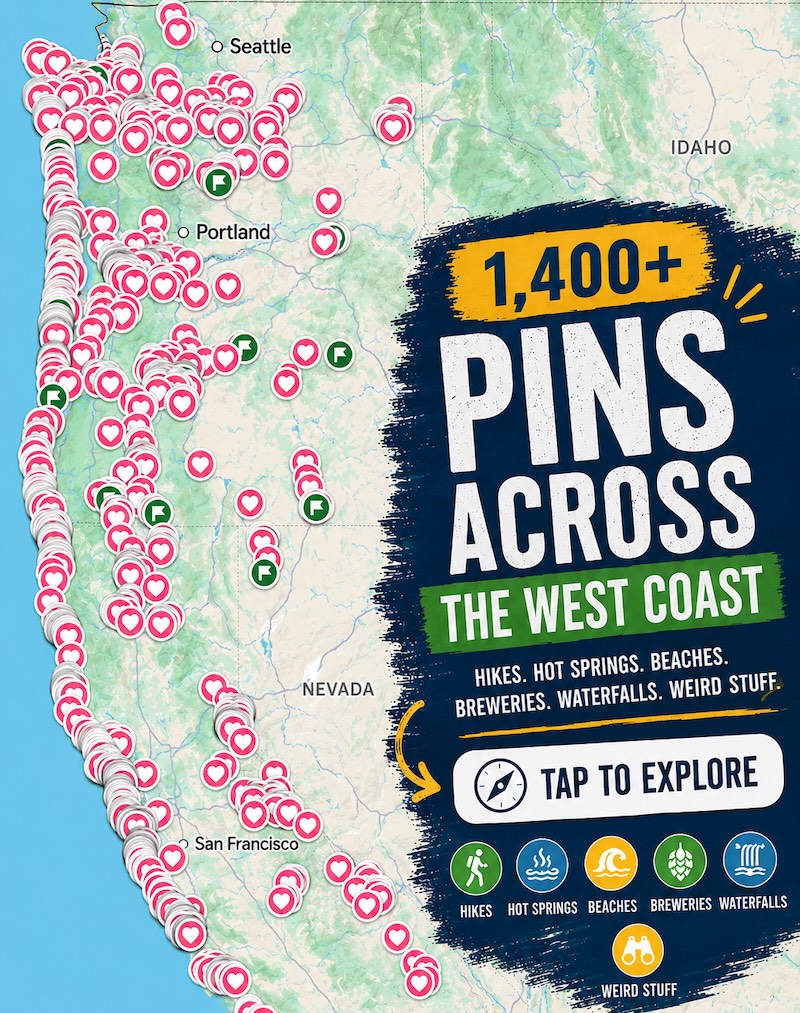
📍 GET THE ULTIMATE PNW MAP 🗺️
Get our curated list of the best adventures, things to do, and places to grab a brew loaded onto your maps with just two clicks!
✅ Waterfalls ✅ Hikes ✅ Viewpoints
✅ Craft breweries ✅ National Parks ✅ 1400+ Pins


4. Long Beach, CA

Even seaside Long Beach, often touted as SoCal’s coastal alternative, saw its Point-in-Time homelessness count tick upward in mid-2025—driven by wildfire fallout and statewide housing crunch. That nudge reflects a larger trend: SoCal’s crisis doesn’t stay put—it spreads, reshaping neighbor cities and straining local support systems.
5. Sacramento & the Central Valley

California’s 2023 housing shortage hit its worst fifteen-year low, with stress especially acute in Sacramentos and valley towns . Natural disasters—wildfires and floods—have disrupted rural housing markets, pushing rents 4%+ up and keeping them elevated for years. The ripple effect? Even affordable inland towns now struggle with cost and displacement.
6. Portland, OR

Portland’s glow-up has faded—crime rates have resurged post-pandemic, and low vacancy means rent is rising again. Meanwhile, winter burnouts, transit downtimes, and rising homelessness are chipping away its progressive reputation. It’s still Portland, but not the Portland you moved here for.
7. Santa Cruz vs. California’s Fire Belt

Santa Cruz floats on the edge of wildfire zones—4+ above-normal fire-risk years are expected in 2025 . The trauma of last decade’s CZU Lightning Fires still echoes, with many homes unrebuilt and evacuees displaced years later. Hiking, coastal cliffs, and redwoods aren’t worth it if your roof could burn next season.
8. San Diego County

Southern California leaders report 14% growth in homelessness since 2022—San Diego County has an estimated 10,200 unhoused individuals . The same climate-fueled disasters affecting L.A. are pushing worse conditions here too—sanitation issues, Hepatitis A outbreaks in 2017 and now wildfire smoke disrupting poor communities.
9. Rural Northern California

Paradise and parts of Butte, Sonoma, Santa Cruz counties still reeling from big fires. Small towns saw vacancy rates drop to below 1%, Latinx communities displaced, and sheltering underserved despite aid . These communities are being permanently reshaped—lost housing, lost neighbors, changing demographics, and radical land-use overhauls.
10. Inland Empire & Exurban Sprawl

Places like Riverside, San Bernardino, and part of the Inland Empire are dealing with unhealthy commutes, polluted air from fire smoke, rising homelessness, and overbuilt housing with little infrastructure . Suburban spread without services is turning ‘dream bedroom communities’ into echo-chambers of car dependency and slow-burn stress.