WARNING! What Happens If Our National Parks Lose Funding?

National parks are often called “America’s best idea,” but they don’t run on good intentions alone. Maintaining trails, protecting wildlife, and keeping visitor centers open all require funding.
When budgets get slashed, these parks suffer—and so do the millions of people who visit them each year. With recent policy changes threatening funding for national parks across the West Coast, it’s time to ask: what happens if our public lands don’t get the support they need?
1. Fewer Rangers, Less Maintenance, and More Closures

Without proper funding, national parks can’t hire enough rangers to manage visitors, enforce rules, or protect wildlife. This means fewer guided programs, longer response times for emergencies, and an increase in illegal activities like poaching and vandalism.
Trails and campgrounds also require regular upkeep, and when maintenance budgets shrink, that means more broken boardwalks, overgrown paths, and even temporary closures of popular sites.
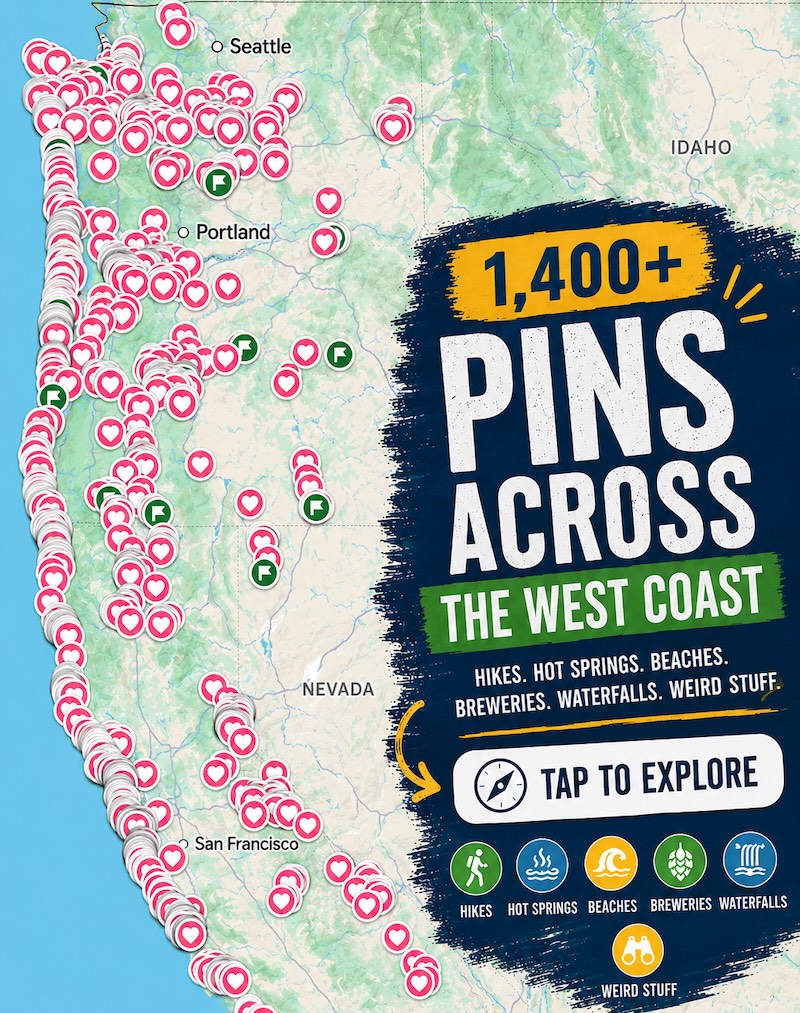
📍 GET THE ULTIMATE PNW MAP 🗺️
Get our curated list of the best adventures, things to do, and places to grab a brew loaded onto your maps with just two clicks!
✅ Waterfalls ✅ Hikes ✅ Viewpoints
✅ Craft breweries ✅ National Parks ✅ 1400+ Pins

2. Wildlife and Ecosystems Take a Hit

National parks are supposed to be safe havens for wildlife, but without funding, conservation efforts stall. Species like the California condor, Roosevelt elk, and Pacific salmon rely on protected lands to survive.
Invasive species can spread unchecked, and essential research on climate change and habitat restoration gets delayed or canceled. Less money for environmental programs means parks can’t effectively manage their delicate ecosystems, putting entire landscapes at risk.
3. Visitors Could See More Fees and Limited Access

If government support dwindles, parks might have to raise entrance fees to make up the difference. That means fewer people—especially lower-income families—will have access to these incredible places.
Some parks could limit access altogether, reducing camping permits, closing roads, or even shutting down certain areas due to lack of staff. National parks are meant to be for everyone, but without funding, they could become less accessible to the public.
4. Local Economies Would Take a Huge Hit

West Coast national parks are major economic drivers for surrounding communities. Towns near Yosemite, Mount Rainier, and Olympic National Park rely on park tourism to support local businesses like hotels, restaurants, and gear shops.
When funding cuts lead to park closures or fewer visitors, small businesses suffer. In 2023 alone, visitors to national parks contributed billions to local economies—losing that revenue would be devastating for many communities.
5. Public Lands Could Be Opened to Private Interests

One of the biggest threats to underfunded public lands is the push to open them up for commercial use. When parks struggle financially, industries like oil drilling, logging, and mining see an opportunity.
Some of the most beloved West Coast parks, including Redwood, Joshua Tree, and Crater Lake, have already faced proposals for resource extraction nearby. Once land is developed for profit, it rarely returns to its natural state, permanently altering these landscapes.
6. How You Can Help Protect Our Parks
National parks belong to all of us, and their future depends on public support. Here are a few ways to help:

- Stay informed: Follow groups like the National Parks Conservation Association (NPCA) (npca.org) and the National Park Foundation (nationalparks.org) to track policy changes.
- Visit and support parks: Entrance fees and donations directly help fund conservation efforts and visitor services.
- Speak up: Contact your representatives and express support for national park funding.
- Volunteer or donate: Many parks have volunteer programs that help with maintenance, education, and conservation efforts.
Our national parks aren’t just places to visit—they’re part of our heritage, our economy, and our environment. Losing funding doesn’t just mean fewer services; it means putting the future of these landscapes at risk. If we want to keep these wild places thriving, we need to make sure they get the support they deserve.