The Perseids peak under a new moon soon — three West Coast spots have skies dark enough to actually see it

Most years, you’re fighting the moon for a decent meteor shower. Not this time. The Perseids peak the night of August 12 into August 13, and that peak happens to land right around a new moon — so there’s nothing washing out the sky except whatever light pollution you bring with you.
NASA’s window for the best show is after midnight and before dawn, with up to 100 meteors an hour possible under a genuinely dark sky. Multiple outlets covering this year’s forecast are calling it one of the better Perseid viewing windows in recent memory, purely because of that moonless timing. The shower isn’t the hard part — finding a sky dark enough to actually show it off is.
Psst — we made you a West Coast Adventure Map. Nearly 1,900 of our favorite spots, already pinned, ready to load into Google Maps in two clicks — grab it here.
Good news: the West Coast has three legitimately dark, reachable spots for it, one each in Washington, Oregon, and California. Two are certified International Dark Sky Places. The third just has 95% of a national park’s worth of protected wilderness standing between it and the nearest streetlight.
📍 GET THE ULTIMATE PNW MAP 🗺️
Get our curated list of the best adventures, things to do, and places to grab a brew loaded onto your maps with just two clicks!
✅ Waterfalls ✅ Hikes ✅ Viewpoints
✅ Craft breweries ✅ National Parks ✅ 1400+ Pins

Hurricane Ridge, Washington — the one that rewards a 45-minute drive
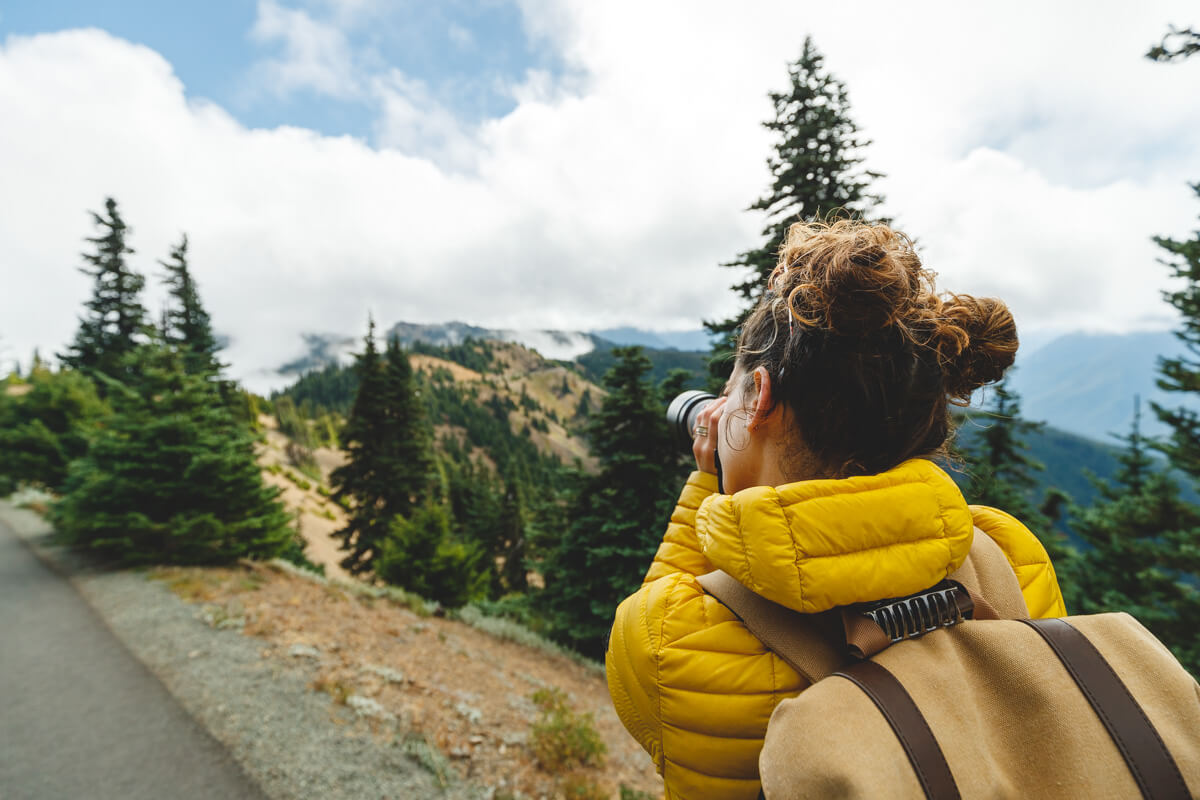
Hurricane Ridge sits at 5,242 feet in Olympic National Park, about 17 miles up from Port Angeles on a paved road that takes roughly 45 minutes. It’s not an officially certified Dark Sky Park, but nearly 95% of Olympic is protected wilderness, which means there’s almost no artificial light anywhere near it to compete with the sky.
Hurricane Ridge Road stays open 24 hours a day from mid-May through October, so a late-night run up is entirely legal — and honestly the smarter move. Daytime crowds here get bad enough that parking fills completely and cars get held at the entrance station for an hour or more; skip that fight and come back after 11pm instead, when the lot empties out and the sky gets the room it’s owed.
Heads up: the old Hurricane Ridge visitor center burned down in 2023 and still hasn’t been rebuilt, so you’re working with temporary restroom trailers, not an indoor building. Entrance to Olympic National Park runs $30 per vehicle, covered by an America the Beautiful Pass if you’ve already got one, and there’s road construction in parts of the park this year, so it’s worth checking current conditions before you commit to the drive.
Prineville Reservoir State Park, Oregon — Oregon’s first certified dark sky park
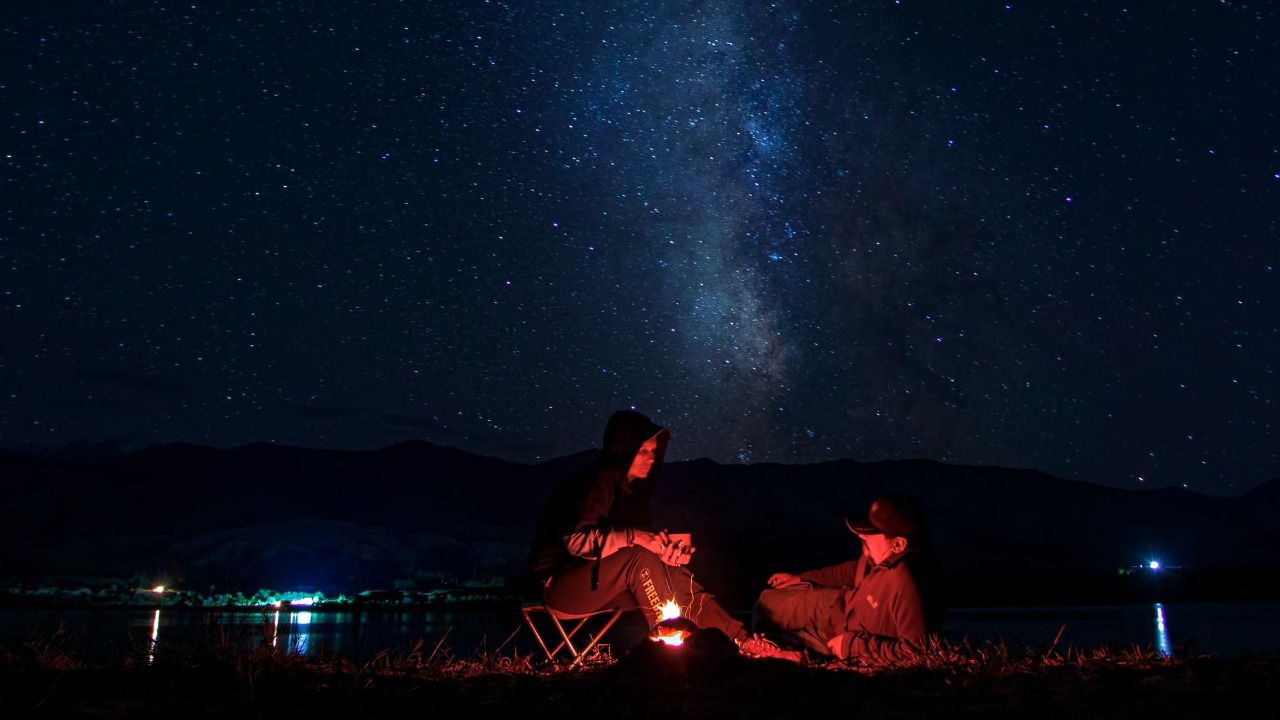
Prineville Reservoir became Oregon’s first International Dark Sky Park back in 2021, and it sits about 52 miles — a bit over an hour — from Bend via Highway 97, out in Central Oregon’s high desert. As of last October, it’s one of the state parks that now charges for day-use parking: $10 a day for Oregon residents, $12 for everyone else, on top of a separate free stargazing permit you print and display on your dash if you’re there after hours specifically to watch the sky.
Jasper Point Campground has 28 first-come, first-served electrical sites and one cabin if you’d rather stay over than drive back at 2am. Parts of the park are under fire restrictions this summer — no open flames allowed at the North Road and Roberts Bay camping areas through September 30 — so check current conditions before you commit, even though Jasper Point itself still allows fires in established rings for now.
Anza-Borrego Desert State Park, California — a rare double dark-sky designation

Anza-Borrego is California’s largest state park, and it’s one of the few places anywhere where both the park and its gateway town — Borrego Springs — hold official Dark Sky designations at the same time. It’s about a two-hour drive from San Diego, and the visitor center parking lot runs $10 a vehicle for day use; plenty of backcountry roadside pull-offs skip the fee entirely.
Here’s the one thing I won’t soften: this is real desert, and the park’s own rangers warn that summer daytime temperatures can climb as high as 125°F. Time your drive to arrive close to dusk instead of midday, carry at least a gallon of water per person, and don’t count on cell service out there — the park’s official safety guidance has the full rundown before you go.
Same meteor shower, three completely different ways to watch it — a mountain ridge, a high desert reservoir, or a stretch of California desert dark enough to earn two dark-sky titles at once. Which one’s closest to you?
Trip tips: grab a rental car to get out here, lock in your hotel before the good rooms are gone, or skip both and book a camper van instead.
Rules and fees change — always confirm current requirements before you go.