Where Are Americans Really Fleeing? The Red States, Mostly!

Feature Photo by Paul Hanaoka on Unsplash
There’s a popular narrative that people are “fleeing” blue states in droves, desperate to escape high taxes, crime, and progressive policies.
But if you actually follow the data, a more nuanced—and inconvenient—truth emerges: many Americans are moving out of red states, especially those with poor healthcare, weak economies, and limited freedoms.
Blue states may be expensive, but they still attract high earners, college grads, and young professionals. Meanwhile, red states are quietly losing population—or growing only through migration to their few liberal cities. Let’s unpack what’s really happening.
📍 GET THE ULTIMATE PNW MAP 🗺️
Get our curated list of the best adventures, things to do, and places to grab a brew loaded onto your maps with just two clicks!
✅ Waterfalls ✅ Hikes ✅ Viewpoints
✅ Craft breweries ✅ National Parks ✅ 1400+ Pins

Red States Lead the Nation in Outbound Moves
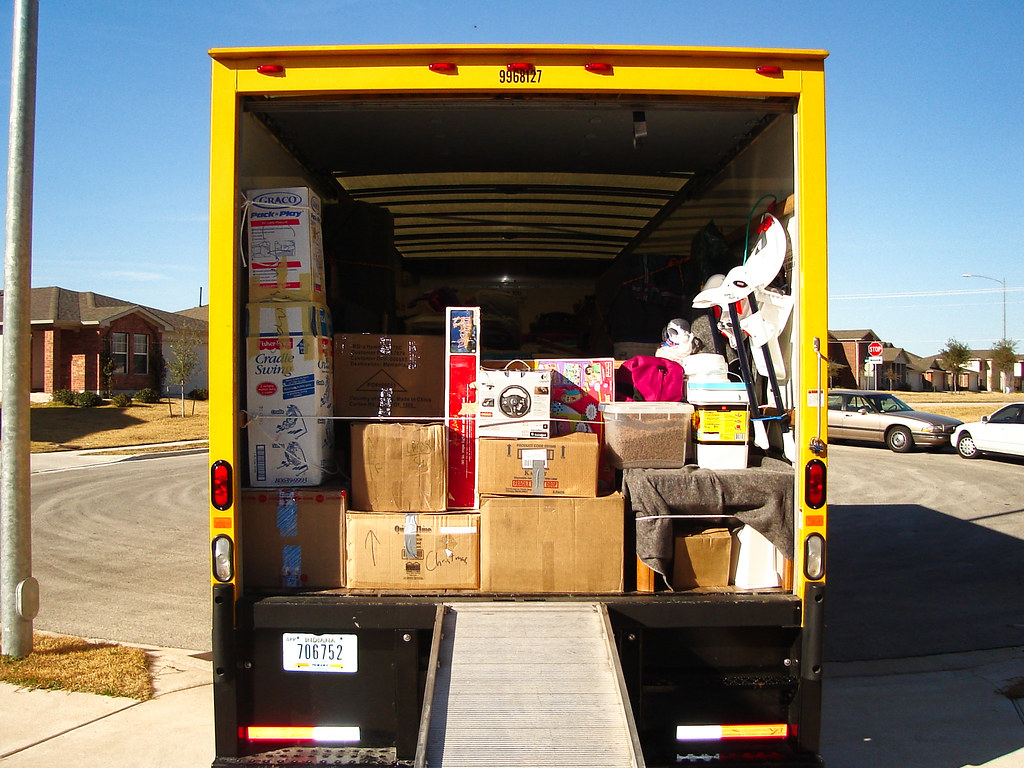
According to U.S. Census Bureau data from 2023 and reports from United Van Lines, the top outbound states in recent years include Mississippi, West Virginia, Louisiana, and Arkansas—all deep red. These states consistently lose more residents than they gain, especially among younger and working-age adults.
The reasons? Economic stagnation, poor healthcare access, education underfunding, and political extremism. People aren’t just leaving for cheaper housing—they’re leaving for opportunity, safety, and a better quality of life.
Even Popular Red States Have a Hidden Outflow Problem

Yes, states like Texas and Florida show net population growth—but much of it comes from inbound migration to liberal-leaning metro areas like Austin, Dallas, Miami, and Orlando. At the same time, rural and suburban areas in these states are losing residents or stagnating.
And those new arrivals? Many are from California, Illinois, or New York. Ironically, the blue-state refugees that conservative governors love to mock are propping up their state economies—while also being told not to “bring their politics with them.”
Blue States Are Still Attracting Young and Educated Movers

According to Pew Research Center and Brookings, blue states like Washington, Colorado, and Oregon are consistently top destinations for Millennials and Gen Z, especially those with college degrees. These states offer strong job markets, outdoor access, healthcare protections, and inclusive laws.
Even California, despite its cost of living, remains the top destination for international immigration and domestic relocations of high-income earners. The story isn’t “everyone is leaving blue states”—it’s who’s leaving, and where they’re going.
When People Leave Blue States, They Still Look for Blue Values

Let’s be real: most people moving from California aren’t ending up in rural Mississippi. They’re choosing cities with diverse populations, inclusive policies, public transit, and strong job markets—even if the state itself is red.
That’s why places like Nashville, Raleigh, and Atlanta are booming. They’re blue bubbles in red zones, and people are moving toward their values, not away from them. It’s not the taxes that drive them out—it’s the rent.
Migration Is a Value Statement—Even If People Don’t Say It

You can’t separate where people move from what those places offer. Clean air, safe streets, healthcare, education, job opportunities, LGBTQ+ protections, and reproductive rights all factor into decisions—consciously or not.
So next time someone says, “Americans are fleeing blue states,” ask for the receipts. Because more often than not, the fleeing is happening in the other direction.